

Table of Contents
What Is the Best Way to Structure Content Silos for Different Architectural Typologies
In today’s digital landscape, architects must leverage search engine optimization (SEO) strategies to attract clients seeking specialized expertise. Content silos, a proven tactic in digital marketing, organize website content into interconnected clusters around specific topics. This approach builds topical authority, enhances user experience, and boosts search rankings. For architecture firms, structuring content silos around different architectural typologies—such as residential, commercial, or sustainable designs—can drive targeted traffic from potential clients. At PKRank, our Melbourne-based digital marketing firm, we’ve helped numerous architects implement these structures to dominate local searches.
To fully grasp the power of content silos, it’s essential to understand their foundation and how they apply to the diverse world of architecture. Transitional strategies like internal linking and thematic grouping ensure search engines recognize your site as an authoritative hub, guiding visitors seamlessly through related content.
Understanding Content Silos in Architecture
Content silos function like virtual filing cabinets, grouping pages by theme to create a logical hierarchy. Unlike flat site structures, silos funnel users from broad pillar pages to detailed cluster content, improving dwell time and reducing bounce rates. For architects, this means categorizing content by typology, where a pillar page on “Residential Architecture” links to clusters on suburban homes, luxury villas, or modular designs.
This structure signals to Google that your site offers deep expertise in specific niches. As algorithms prioritize E-E-A-T (Experience, Expertise, Authoritativeness, Trustworthiness), well-structured silos position your firm as the go-to resource. Moreover, they align with user intent, helping Melbourne architects connect with clients searching for “best commercial architects near me.”
Key Architectural Typologies and Their Silo Needs
Architectural typologies vary widely, each demanding tailored content approaches. Residential projects focus on lifestyle and personalization, while commercial emphasizes functionality and ROI. Recognizing these differences is the first step in silo creation.
Consider the table below, which outlines major typologies, their core audience needs, and initial silo components. This framework helps architects map content effectively.
| Typology | Core Audience Needs | Silo Components |
|---|---|---|
| Residential | Comfort, aesthetics, family-friendly designs | Pillar: Home trends; Clusters: Kitchens, extensions, eco-homes |
| Commercial | Efficiency, scalability, brand alignment | Pillar: Office spaces; Clusters: Retail fitouts, workspaces, mixed-use |
| Institutional | Durability, compliance, community impact | Pillar: Public buildings; Clusters: Schools, hospitals, civic centers |
| Sustainable | Energy efficiency, certifications, future-proofing | Pillar: Green architecture; Clusters: Passive houses, net-zero, biophilic design |
| Heritage | Preservation, adaptive reuse, historical accuracy | Pillar: Restoration projects; Clusters: Renovations, conversions, listings |
As this table illustrates, each typology requires unique pillars and clusters. By aligning silos with these, architects can address searcher pain points precisely, fostering trust and conversions.
Step-by-Step Guide to Building Effective Silos
Transitioning from planning to execution involves a systematic process. Here’s a numbered list of best practices to structure silos optimally:
- Conduct Keyword Research: Identify high-intent terms like “Melbourne residential architects” using tools like Ahrefs or SEMrush. Group into primary (pillar) and secondary (cluster) keywords per typology.
- Create Pillar Pages: Develop comprehensive guides (2,000+ words) overviewing the typology, incorporating visuals like renders and case studies.
- Develop Cluster Content: Produce 10-20 supporting articles or pages, each 1,500 words, linking back to the pillar with contextual anchors.
- Implement Internal Linking: Use silo architecture with hub-and-spoke models—pillar links to clusters, clusters link to pillar and siblings.
- Optimize Technically: Ensure fast loading, mobile responsiveness, and schema markup for architecture-specific elements like projects or locations.
- Monitor and Iterate: Track performance with Google Analytics and Search Console, refreshing content quarterly.
Following these steps ensures silos are robust and scalable. For instance, a residential silo might start with a pillar on “Modern Australian Homes” branching into clusters on coastal designs or urban infills.
Tailoring Silos to Specific Typologies
Customization elevates silos from good to exceptional. In commercial architecture, silos should highlight ROI metrics and tenant testimonials, linking case studies to service pages. Sustainable typologies benefit from data-driven content, like carbon footprint calculators embedded in clusters.
Moreover, integrate multimedia—360-degree tours, BIM models—to engage users longer. Transitional phrases within content, such as “Building on our discussion of efficiency,” guide readers naturally, mimicking a consultant’s expertise. Melbourne firms can localize silos with suburb-specific pages, enhancing geo-targeted SEO.
Measuring Success and Scaling with PKRank
Success metrics include organic traffic growth, keyword rankings, and lead generation. Tools like Google Analytics reveal silo efficacy, showing how residential clusters convert browsers to inquiries.
Scaling requires expertise; that’s where PKRank shines. Our team crafts bespoke silo strategies for Melbourne architects, integrating them with PPC and social campaigns for amplified results.
In conclusion, structuring content silos around architectural typologies is the best way to fortify your online presence, driving qualified leads and establishing industry leadership. By methodically organizing content, linking thoughtfully, and iterating based on data, architects can transform their websites into powerful client magnets. Partner with PKRank to implement these strategies and watch your practice thrive in Melbourne’s competitive market.
Empower Your Architectural Firm with PKRank’s Tailored Digital Solutions
Hey there, design visionary! Dreaming up stunning structures in Australia’s sun-soaked landscapes can be pure magic, but getting your blueprints in front of the right clients? That’s where the real blueprint comes in.
At PKRank, we’re all about keeping digital marketing breezy, approachable, and incredibly impactful for architects like you—whether you’re sketching sustainable homes in Sydney’s harbor views, innovating high-rises in Melbourne’s laneway charm, or crafting coastal gems in Brisbane’s riverside vibe.
Imagine a polished, immersive website built from the ground up for you, featuring interactive portfolios of your residential wonders, commercial masterpieces, or eco-friendly designs with seamless galleries and 3D viewer integrations. We’ll ensure it’s mobile-responsive, so builders and homeowners from Perth’s urban sprawl to Adelaide’s heritage sites can explore your vision effortlessly on the go.
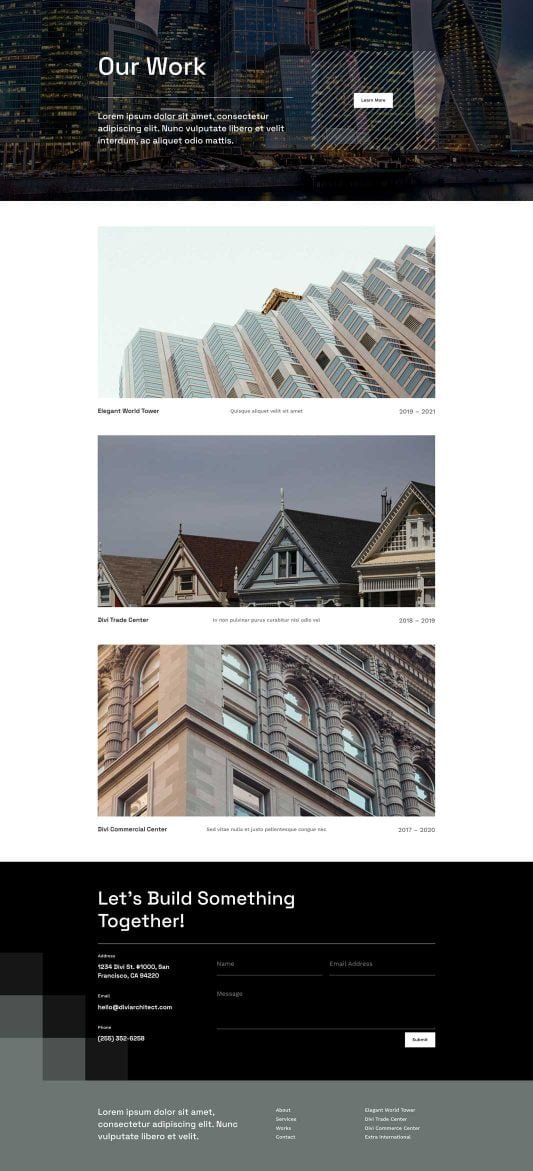
What Is the Best Way to Structure Content Silos for Different Architectural Typologies?
Our SEO pros will elevate your Google presence, landing you top spots for queries like “sustainable architect Melbourne” or “renovation specialist Perth.” No more fading into the background—unlock organic traffic from Canberra’s modernist buffs or the Gold Coast’s beachfront dreamers!
We’ll jazz up your social media with a creative flair on Instagram and Facebook: eye-catching renders, behind-the-scenes builds, and tips on green architecture that ignite shares and connections. It’s your chance to shine as the go-to creative force in spots like Hobart’s historic enclaves or Darwin’s tropical outposts.
Need swift project leads? Our Google Ads and Facebook Ads are architect-tuned, pinpointing Aussie developers and homeowners with clever, cost-effective campaigns that boost consultations and trim the chase—ideal for architecture hotspots in Sydney and Melbourne.
We’re your upbeat collaborators in elevation, focused on results that let you pour passion into every line and curve. Keen for a laid-back brainstorm over virtual flat whites? Head to our website—let’s blueprint your firm’s stellar rise together!