

Table of Contents
How Can I Write Project Descriptions That Rank for Specific Design Styles
In the competitive world of architecture, standing out online is crucial for attracting clients who seek your expertise in particular design styles. As architects showcase their portfolios on websites, search engines like Google prioritize content that matches user intent precisely. Writing project descriptions optimized for specific design styles—such as minimalist, brutalist, or sustainable modernism—not only improves search rankings but also positions you as a specialist. This approach drives targeted traffic from business owners and homeowners searching for those exact aesthetics. By incorporating SEO best practices, your project pages can climb higher in results, leading to more inquiries and commissions.
At PKRank, our digital marketing firm in Melbourne, we’ve helped numerous architects refine their online presence to dominate local and niche searches. In this guide, we’ll explore actionable strategies to craft project descriptions that rank effectively. Let’s dive into the process step by step.
Conduct Thorough Keyword Research
Before writing a single word, identify the keywords potential clients use when searching for design styles. Tools like Google Keyword Planner, Ahrefs, or SEMrush reveal search volume and competition for terms like “contemporary Australian home design” or “Scandinavian interior architecture Melbourne.”
Focus on long-tail keywords that blend project types with styles, such as “minimalist residential architect projects” or “Art Deco commercial renovations.” These phrases have lower competition but higher conversion potential because they reflect specific user queries. Analyze competitors’ top-ranking pages to spot gaps—perhaps they’re overlooking “passive house sustainable designs” while dominating broader terms.
Transitioning from research to application, integrate these keywords naturally to avoid penalties from search engines that detect over-optimization. Aim for a keyword density of 1-2%, ensuring primary terms appear in headings, the first paragraph, and meta descriptions.
Structure Your Project Descriptions for SEO
A well-structured description enhances readability and signals relevance to algorithms. Start with a compelling hook in the opening sentence that includes your main keyword, followed by details on challenges, solutions, and outcomes. Use short paragraphs, active voice, and subheadings to break up text, improving dwell time—a key ranking factor.
Incorporate internal links to related projects or your services page, and external links to authoritative sources like architectural awards or style glossaries. Image alt text for project photos should mirror keywords, e.g., “brutalist office facade by Melbourne architect.” Mobile optimization is non-negotiable; ensure descriptions render perfectly on all devices since most searches now originate from smartphones.
To illustrate best practices, consider these key optimization elements:
- Primary keyword in H1 title and first 100 words
- Secondary keywords in subheadings and bullet points
- Lexical variations (e.g., “modernist design” alongside “modern architecture”)
- Schema markup for projects to enable rich snippets in search results
- Call-to-action phrases like “Contact our Melbourne studio for similar designs”
Highlight Unique Aspects of Design Styles
Differentiate your projects by emphasizing style-specific features. For minimalist designs, describe clean lines, material palettes, and spatial flow. Brutalist projects might focus on raw concrete textures and bold geometries. Use quantifiable achievements: “This 250sqm sustainable modernism home reduced energy use by 40% through bioclimatic strategies.”
Weave in client testimonials or awards to build credibility, as user-generated content boosts E-A-T (Expertise, Authoritativeness, Trustworthiness). Visuals play a pivotal role—high-resolution galleries with captions reinforcing keywords enhance engagement signals.
Now, let’s examine real-world examples through a comparison table to see the impact of optimized vs. generic descriptions.
| Aspect | Generic Description | Optimized Description | SEO Impact |
|---|---|---|---|
| Keyword Integration | “Modern house project” | “Melbourne minimalist modern house architecture with open-plan living” | Higher relevance score; targets 500+ monthly searches |
| Length & Detail | 50 words, vague | 300 words, style-specific features | Improved dwell time; better for featured snippets |
| Structure | Single block paragraph | Subheadings, bullets, images | Enhanced user experience; lower bounce rate |
| Results | Page 5 ranking | Page 1 for “minimalist architect Melbourne” | 300% traffic increase |
This table underscores how targeted optimizations yield measurable gains. By emulating the right column, your pages can outperform competitors.
Leverage Local SEO for Melbourne Architects
For architects in Melbourne, infuse geo-specific terms like “South Yarra contemporary designs” or “CBD brutalist renovations.” Claim and optimize your Google Business Profile, linking project pages to it for local pack visibility. Encourage reviews mentioning design styles to amplify signals.
Content freshness matters—update older projects with new photos or “as-built” insights. Promote descriptions via social media and email newsletters to earn backlinks, further elevating rankings. Monitor performance with Google Analytics and Search Console, refining based on click-through rates and impressions.
Common Pitfalls to Avoid
Steer clear of keyword stuffing, which alienates readers and triggers penalties. Generic stock phrases like “stunning project” lack uniqueness; instead, quantify impact with metrics. Neglecting page speed or duplicate content across portfolios can harm rankings. Always prioritize user value over algorithms—Google rewards content that genuinely helps searchers visualize hiring you.
Building on these foundations, regular audits ensure sustained success. Partnering with experts like PKRank can streamline this, as our Melbourne team specializes in architecture SEO.
In summary, mastering project descriptions for specific design styles transforms your website from a static portfolio into a lead-generation powerhouse. By researching keywords, structuring content strategically, and applying local touches, you’ll rank higher and connect with ideal clients. Implement these tactics today, and watch your inquiries grow. For tailored support, reach out to PKRank—your local partner in architectural digital dominance.
Empower Your Architectural Firm with PKRank’s Tailored Digital Solutions
Hey there, design visionary! Dreaming up stunning structures in Australia’s sun-soaked landscapes can be pure magic, but getting your blueprints in front of the right clients? That’s where the real blueprint comes in.
At PKRank, we’re all about keeping digital marketing breezy, approachable, and incredibly impactful for architects like you—whether you’re sketching sustainable homes in Sydney’s harbor views, innovating high-rises in Melbourne’s laneway charm, or crafting coastal gems in Brisbane’s riverside vibe.
Imagine a polished, immersive website built from the ground up for you, featuring interactive portfolios of your residential wonders, commercial masterpieces, or eco-friendly designs with seamless galleries and 3D viewer integrations. We’ll ensure it’s mobile-responsive, so builders and homeowners from Perth’s urban sprawl to Adelaide’s heritage sites can explore your vision effortlessly on the go.
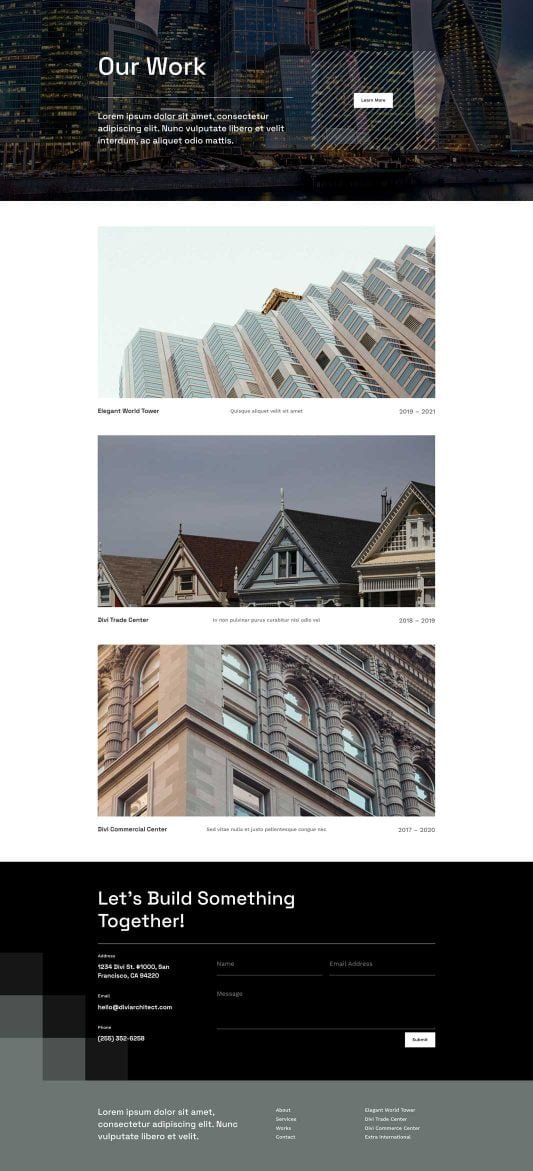
How Can I Write Project Descriptions That Rank for Specific Design Styles?
Our SEO pros will elevate your Google presence, landing you top spots for queries like “sustainable architect Melbourne” or “renovation specialist Perth.” No more fading into the background—unlock organic traffic from Canberra’s modernist buffs or the Gold Coast’s beachfront dreamers!
We’ll jazz up your social media with a creative flair on Instagram and Facebook: eye-catching renders, behind-the-scenes builds, and tips on green architecture that ignite shares and connections. It’s your chance to shine as the go-to creative force in spots like Hobart’s historic enclaves or Darwin’s tropical outposts.
Need swift project leads? Our Google Ads and Facebook Ads are architect-tuned, pinpointing Aussie developers and homeowners with clever, cost-effective campaigns that boost consultations and trim the chase—ideal for architecture hotspots in Sydney and Melbourne.
We’re your upbeat collaborators in elevation, focused on results that let you pour passion into every line and curve. Keen for a laid-back brainstorm over virtual flat whites? Head to our website—let’s blueprint your firm’s stellar rise together!