

Table of Contents
What Is the Best Way to A/B Test My Online Ordering Menu Pages
As a bagel shop owner in Melbourne, optimizing your online ordering menu pages can significantly boost sales and customer satisfaction. With the rise of digital ordering platforms, your menu’s design, layout, and content directly influence conversion rates. A/B testing emerges as the most effective method to refine these pages empirically. By comparing two versions of your menu page—one control (A) and one variant (B)—you can identify what resonates best with your customers. This data-driven approach minimizes guesswork and maximizes revenue. In this article, we’ll explore the best ways to implement A/B testing tailored for bagel shops, drawing on strategies from PKRank, Melbourne’s leading digital marketing firm specializing in local businesses.
Understanding the fundamentals sets the foundation for successful testing. A/B testing involves splitting your website traffic between two or more versions of a page to measure performance differences. For online ordering menus, this could mean testing button colors, image placements, or pricing displays. The goal is clear: higher order values, faster checkout times, and increased repeat business. Transitioning from theory to practice requires a structured methodology, which we’ll outline next.
Why A/B Test Bagel Shop Online Menus
Your bagel shop’s online menu isn’t just a list of items; it’s a digital storefront competing with countless others. Customers decide in seconds whether to order. Poor layout might hide popular items like sesame bagels or cream cheese combos, leading to abandoned carts. A/B testing reveals user preferences—do they prefer calorie counts, allergen info, or vivid photos first? For Melbourne bagel shops, where competition is fierce in areas like Fitzroy or the CBD, even a 10% uplift in conversions translates to substantial gains. PKRank has helped local eateries achieve just that by focusing tests on high-impact elements.
Moreover, seasonal trends affect bagel preferences—think pumpkin spice in autumn. Regular A/B tests keep your menu agile. Before diving into setup, consider common pitfalls like insufficient traffic or vague goals, which we’ll address through best practices.
Key Steps to Conduct Effective A/B Tests
Implementing A/B tests demands precision. Begin by defining objectives, such as increasing average order value or reducing bounce rates. Next, audit your current menu page using tools like Google Analytics to spot friction points.
Follow these structured steps for optimal results:
- Formulate a Hypothesis: Base it on data. For example, “Placing best-sellers like everything bagels at the top will increase orders by 15%.”
- Create Variants: Design version B with one key change—e.g., hero images vs. text descriptions.
- Segment Traffic: Use 50/50 splits for reliable data, ensuring even distribution across devices.
- Run the Test: Aim for at least 1-2 weeks or 1,000 conversions per variant to reach statistical significance.
- Analyze Results: Measure metrics like conversion rate and revenue per visitor.
- Implement Winner: Roll out the superior version site-wide and test further iterations.
This sequential process ensures tests are actionable. As you proceed, integrating analytics tools becomes crucial for seamless execution.
Essential Metrics and Tools for A/B Testing
To gauge success, track key performance indicators (KPIs). Primary metrics include conversion rate (orders completed), average order value (AOV), and cart abandonment rate. Secondary ones like time on page and click-through rates provide context. For bagel shops, also monitor item-specific uptake—does testing upsell prompts for lox boost add-ons?
Selecting the right tools streamlines the process. Platforms like Google Optimize (free) or Optimizely offer robust A/B capabilities integrated with e-commerce systems such as Square or Toast. For WordPress-based sites common among Melbourne independents, plugins like Nelio A/B Testing work effortlessly.
| Tool | Best For | Bagel Shop Example | Pricing |
|---|---|---|---|
| Google Optimize | Beginners/Free | Test menu category order | Free |
| Optimizely | Advanced Analytics | Dynamic pricing variants | Starts at $50k/year |
| Nelio A/B Testing | WordPress Sites | Image vs. text menus | $29/month |
| VWO | Visual Editor | Upsell banner tests | Custom |
This table highlights options suited to various budgets and needs. PKRank recommends starting with free tools before scaling. With metrics and tools in place, let’s explore best practices to avoid common errors.
Bagel Shop Specific Best Practices
Tailor tests to your niche. Highlight fresh, customizable bagel combos—test stackable modifiers like “add bacon” placements. Mobile optimization is vital since 70% of orders come via phones. Use high-res images of golden bagels but compress for speed; test lazy loading.
Furthermore, consider cultural nuances in Melbourne’s diverse market—test multilingual toggles or vegan options prominence. Always test one variable at a time to isolate impacts. Run multivariate tests later for complexity. Compliance matters: ensure GDPR alignment for Aussie users. By prioritizing these, your tests yield precise insights.
Common Mistakes to Avoid
Seasoned marketers at PKRank warn against rushing tests without sample size calculators—tools like Evan Miller’s ensure validity. Ignoring seasonality can skew results; benchmark against historical data. Finally, failing to iterate dooms progress—treat A/B as ongoing.
Overcoming these hurdles leads to sustained improvements. As we wrap up, remember the power of professional guidance.
Conclusion
A/B testing your online ordering menu pages is the smartest path for bagel shop owners seeking growth in Melbourne’s competitive scene. By following these steps, leveraging key tools, and adhering to best practices, you can transform data into dollars—potentially lifting revenue by 20-30%. PKRank, your local digital marketing experts, specializes in crafting and executing these tests for food businesses. Contact us today to elevate your bagel shop’s online presence and watch orders soar.
Empower Your Bagel Shop with PKRank’s Tailored Digital Solutions
Hey there, dough dynamo! Whipping up chewy bagels and fresh schmears in Australia’s vibrant foodie scene is a delight, but luring in those hungry crowds? That’s the real rise-and-shine challenge.
At PKRank, we’re all about sprinkling digital marketing magic that’s fun, fuss-free, and flavor-packed for bagel bosses like you—whether you’re toasting classics in Sydney’s multicultural markets, innovating flavors in Melbourne’s cafe crawl, or slinging stacks in Brisbane’s brunch hotspots.
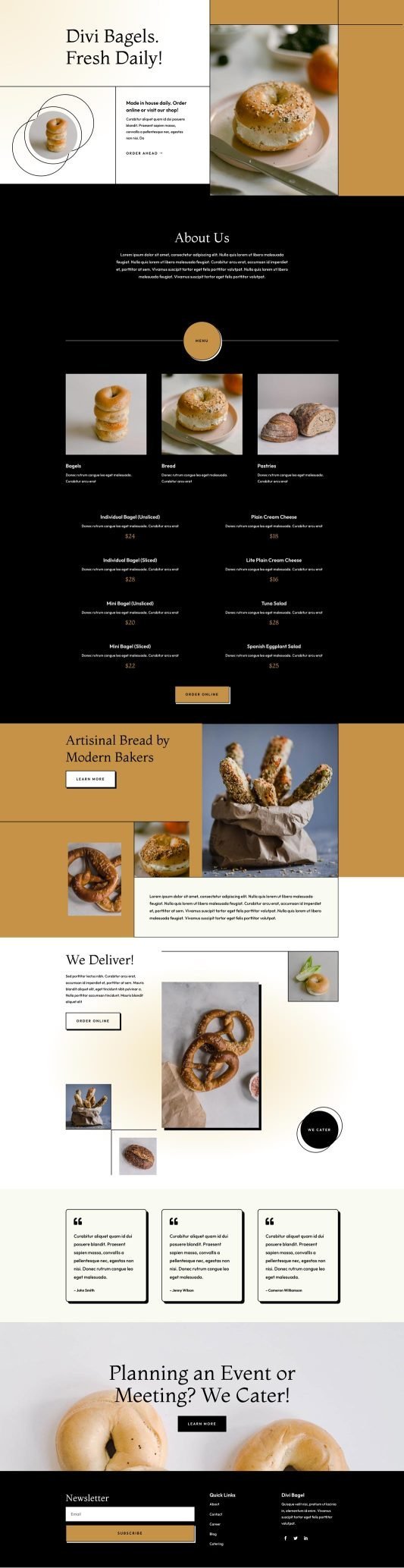
Picture a deliciously designed website baked fresh for your shop, with mouthwatering photo menus of everything bagels, lox-loaded beauties, or vegan twists, plus online ordering and loyalty perks. We’ll keep it crumb-free and mobile-munchable, so foodies from Perth’s fusion eateries to Adelaide’s artisan alleys can grab a bite virtually anytime.
Bagel Shop Website Demo
What Is the Best Way to A/B Test My Online Ordering Menu Pages?
Our SEO bakers will knead your Google spot to the top, ensuring you’re the first crave for “best bagels Melbourne” or “bagel delivery Perth.” No more getting buried in the bread aisle—pull in organic foot traffic from Canberra’s coffee chasers or the Gold Coast’s surf-and-smear seekers!
We’ll glaze your social media with tasty vibes on Instagram and Facebook: steamy fresh-out-of-the-oven shots, pairing polls, and customer cream-cheese confessions that spread like wildfire. It’s your way to become the neighborhood nibble in areas from Hobart’s harbor hangs to Darwin’s tropical treats.
Craving quicker queues? Our Google Ads and Facebook Ads are precisely portioned, targeting Aussie appetite alerts with budget-bite setups that boost orders and nix the no-shows—tailor-made for bagel buzz in Sydney and Melbourne.
We’re your sweet sidekicks in sales, all about results that let you focus on the perfect boil. Up for a chat over virtual bagels? Swing by our website—let’s dough this and turn your shop into a breakfast blockbuster together!
Last Updated on March 21, 2026 by PKRank