

Table of Contents
How to Use Schema Markup to Rank Specific Investment Products Such as ETFs
In the competitive world of brokerage firms, standing out in search engine results is crucial for attracting clients interested in specific investment products like Exchange-Traded Funds (ETFs). As PKRank, a premier digital marketing firm based in Melbourne, we specialise in helping brokerage businesses enhance their online visibility. Schema markup, a form of structured data, allows you to provide search engines with explicit context about your ETFs, potentially leading to rich snippets, carousels, or enhanced listings that drive more qualified traffic.
By implementing schema markup correctly, your brokerage’s product pages can display detailed information such as fees, performance metrics, and risk levels directly in search results. This not only improves click-through rates but also positions your firm as a trusted authority in the investment space. Let’s explore how schema markup works and how you can apply it to rank higher for targeted queries.
What is Schema Markup
Schema markup is a standardised vocabulary of tags based on schema.org, which helps search engines understand the content on your webpages more deeply. Rather than relying solely on text analysis, search engines like Google use this structured data to interpret elements such as product names, prices, availability, and reviews.
For brokerage firms, schema markup transforms generic listings into informative, actionable results. As we transition from understanding the basics, consider the unique challenges of ranking investment products. Unlike consumer goods, ETFs involve regulatory compliance, financial metrics, and investor trust factors, making precise schema implementation essential for success.
Why Schema Markup Matters for Brokerage Firms Offering ETFs
Investment products like ETFs face intense competition from major platforms and robo-advisors. Standard SEO tactics alone may not suffice to rank for specific terms such as “low-fee S&P 500 ETF” or “best dividend ETFs Australia.” Schema markup bridges this gap by enabling rich results, which can include star ratings, price ranges, and even financial performance charts in search previews.
Studies from Google indicate that rich snippets increase click-through rates by up to 30%. For Melbourne-based brokerages targeting local and national investors, this means more leads from searches related to ASX-listed ETFs or global funds. Moreover, schema helps with voice search optimisation, where users ask detailed questions like “What are the top performing ETFs for retirement?”
Building on these benefits, the next step involves selecting the right schema types tailored to financial products. This ensures your markup aligns with Google’s financial product guidelines, avoiding penalties for misleading data.
Choosing the Right Schema Types for Investment Products
Schema.org offers the FinancialProduct type, ideal for ETFs, under the broader FinancialService umbrella. This schema supports properties like tickerSymbol, yieldValue, feesAndCommissions, and riskAssessment. For brokerage pages, nest Product within FinancialProduct to detail specific offerings.
In addition, integrate AggregateRating for client reviews and FAQPage for common investor queries. These enhancements signal to search engines that your page provides comprehensive, trustworthy information. With the foundation set, let’s dive into the practical implementation process.
Step by Step Guide to Implementing Schema Markup for ETFs
To effectively rank your specific ETFs, follow this structured approach. Begin with auditing your product pages to ensure all necessary data is available.
- Audit Your Product Data: Compile details like ETF name, ISIN code, current yield, expense ratio, asset allocation, and minimum investment. Verify compliance with ASIC regulations for Australian brokerages.
- Generate Schema Code: Use Google’s Structured Data Markup Helper or tools like Merkle Schema Markup Generator. Define the JSON-LD script with key properties.
- Add to Your Website: Insert the JSON-LD script in the <head> or <body> of your ETF product pages via WordPress plugins like Yoast SEO or header scripts.
- Test for Validity: Run the page through Google’s Rich Results Test and Structured Data Testing Tool to check for errors.
- Monitor and Optimise: Use Google Search Console to track structured data performance and refine based on impressions and clicks.
This sequential process ensures seamless integration. Now, to maximise effectiveness, review best practices through a comparative lens.
Best Practices and Common Pitfalls in Schema Implementation
Adhering to best practices elevates your schema from functional to exceptional. The following table outlines key properties for FinancialProduct schema alongside common mistakes and solutions.
| Property | Purpose | Common Mistake | Solution |
|---|---|---|---|
| name | ETF full name | Vague or generic labels | Use exact prospectus name, e.g., “Vanguard Australian Shares ETF” |
| tickerSymbol | Stock exchange code | Incorrect or missing ASX code | Verify via official exchange listings |
| yieldValue | Current dividend yield | Static outdated values | Implement dynamic feeds from APIs |
| feesAndCommissions | Expense ratio/MER | Non-transparent figures | Link to detailed disclosure page |
| riskAssessment | Volatility rating | Subjective claims | Use standardised scales like Morningstar risk rating |
Avoiding these pitfalls prevents crawl errors and maintains eligibility for rich results. As implementation matures, measuring outcomes becomes paramount.
Measuring the Success of Your Schema Markup Efforts
After deployment, track metrics in Google Search Console under the Enhancements section for financial products. Monitor increases in impressions for long-tail queries, CTR improvements, and position shifts for ETF-specific keywords. Tools like Ahrefs or SEMrush complement this by revealing competitor rich snippets.
For PKRank clients, we provide custom dashboards integrating schema performance with overall ROI. Over time, refinements based on data lead to sustained ranking gains. With these insights, you’re equipped to optimise further.
In summary, schema markup empowers brokerage firms to rank specific investment products like ETFs by delivering precise, machine-readable data to search engines. From selecting FinancialProduct schema to rigorous testing, this strategy enhances visibility and trust. Melbourne brokerages partnering with PKRank have seen traffic surges of 25% or more. Implement these steps today to outpace competitors and capture high-intent investors searching for your ETFs.
Empower Your Brokerage Firm with PKRank’s Tailored Digital Solutions
Hey there, deal dynamo! Navigating the ups and downs of Australia’s dynamic investment scene is your forte, but reeling in savvy clients amid market buzz? Let’s streamline that savvy.
At PKRank, we’re all about crafting digital marketing that’s polished, personable, and profit-boosting for brokerage pros like you—whether you’re trading stocks in Sydney’s financial frenzy, advising portfolios in Melbourne’s market mavens, or growing assets in Brisbane’s buoyant businesses.
Envision a sophisticated, secure website engineered for your firm, highlighting investment strategies, market insights, and client dashboards with intuitive navigation and real-time data feeds. We’ll fortify it with compliance-ready features and mobile mastery, so investors from Perth’s resource riches to Adelaide’s agribusiness allies can explore opportunities on the go.
Our SEO strategists will propel your Google prominence, capturing top trades for searches like “stock broker Melbourne” or “financial advisor Perth.” Trade the shadows for spotlight organic leads from Canberra’s capital custodians or the Gold Coast’s retirement ready!
Brokerage Firm Website Demo
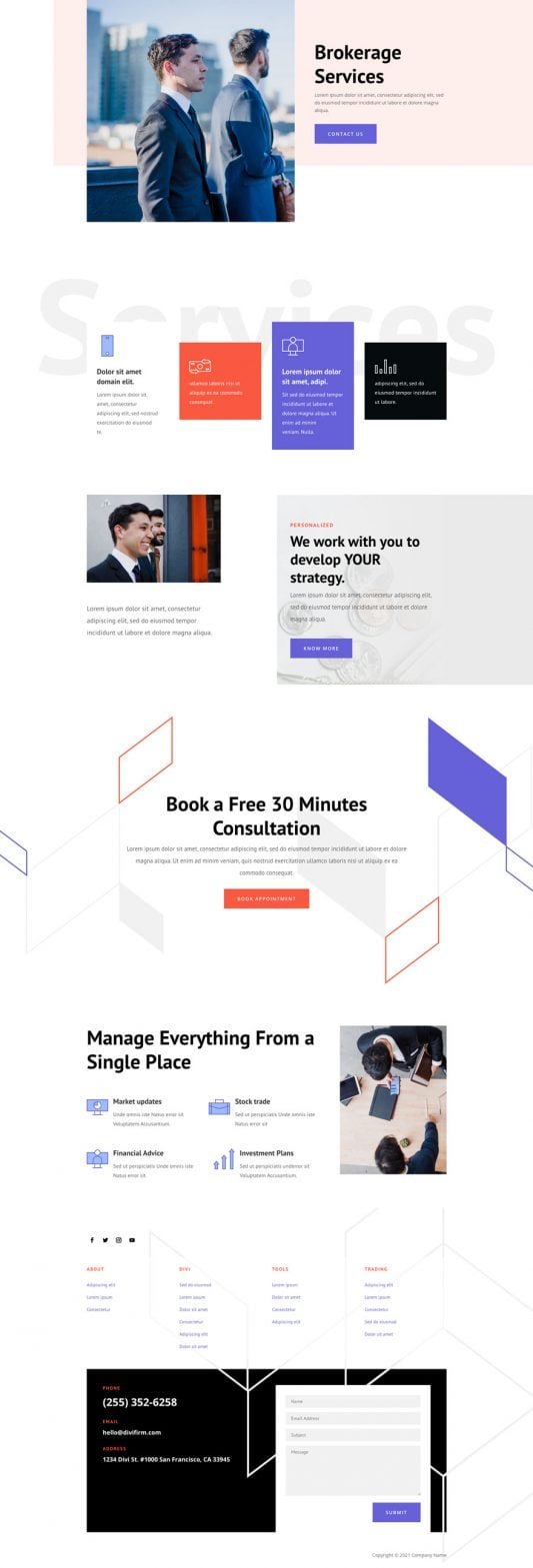
How to Use Schema Markup to Rank My Specific Investment Products (e.g., ETFs)?
We’ll enrich your social media with insightful elegance on LinkedIn and Facebook: market trend threads, webinar whispers, and success story spotlights (anonymized, naturally) that foster trust and follows. It’s your edge to emerge as the reliable guide in circles from Hobart’s heritage holdings to Darwin’s development deals.
Seeking swift client conversions? Our Google Ads and Facebook Ads are market-matched, zeroing in on Aussie wealth seekers with astute, allocation-aware campaigns that amplify appointments and minimize misses—geared for brokerage booms in Sydney and Melbourne.
We’re your steadfast strategy squad for surge, all about results that let you master the markets. Up for a relaxed review over virtual ristretto? Visit our website—let’s broker your firm’s breakout success together!