

Table of Contents
Why Is My High Resolution Portfolio Hurting My Website Speed and SEO
As an architect in Melbourne, your portfolio website is your digital showroom, displaying stunning high-resolution images of your projects to captivate potential clients. However, while these visuals are essential for showcasing your expertise, they might be silently undermining your online success. Large, unoptimized images can drastically slow down your site, leading to poor user experience and lower search engine rankings. At PKRank, a leading digital marketing firm based in Melbourne, we often see architects struggling with this issue. In this article, we’ll explore why high-resolution portfolios harm website speed and SEO, and how to fix it effectively.
Transitioning from aesthetics to performance, let’s first understand the core problem. High-resolution images, often in the range of several megabytes each, demand significant bandwidth and processing power to load. When visitors or search engine bots access your site, these files take time to download, resulting in prolonged load times. Google has emphasized that page speed is a key ranking factor since 2010, and with mobile traffic now dominating, slow sites suffer even more.
The Mechanics of Image Induced Slowdowns
High-resolution images typically come straight from your camera or editing software at full quality, preserving every detail for print or close-up viewing. On the web, however, most users view sites on standard screens, making such fidelity unnecessary. Each unoptimized image can add seconds to load times, and with portfolios featuring dozens of galleries, the cumulative effect is devastating.
Consider a typical architect’s site: homepage hero image, project galleries, before-and-after sliders. If each image averages 5MB, and there are 20 per page, that’s 100MB of data. At a 10Mbps connection, loading takes over 80 seconds—far beyond Google’s recommended 3-second threshold. Slower speeds frustrate users, increasing bounce rates, which signals poor quality to search engines.
Moreover, Core Web Vitals, now integral to SEO, measure metrics like Largest Contentful Paint (LCP), directly impacted by large images. If LCP exceeds 2.5 seconds, your ranking potential drops. As Melbourne’s competitive architecture scene demands top visibility, these slowdowns could mean losing leads to faster competitors.
SEO Consequences of Slow Loading Portfolios
Search engines prioritize user-centric sites. Google’s algorithm uses speed as a tiebreaker, but it’s more than that. Slow sites lead to higher bounce rates, lower dwell times, and reduced click-through rates from SERPs. A study by Portent found that a 1-second delay can cut conversions by 7%.
For architects targeting local searches like “Melbourne residential architect,” speed influences local SEO too. Google’s mobile-first indexing means unoptimized images penalize mobile rankings heavily. Additionally, poor speed hampers indexing; crawlers may skip resource-intensive pages, hiding your portfolio from search results.
Quantifying the Impact A Comparison Table
To illustrate, here’s a table comparing a typical unoptimized architect portfolio site before and after image optimization:
| Metric | Unoptimized (High-Res Images) | Optimized | Improvement |
|---|---|---|---|
| Average Page Size | 15MB | 2MB | 87% reduction |
| Load Time (Desktop) | 8.2 seconds | 1.9 seconds | 77% faster |
| Load Time (Mobile) | 12.5 seconds | 2.8 seconds | 78% faster |
| Bounce Rate | 65% | 32% | 51% decrease |
| Google PageSpeed Score | 45/100 | 92/100 | +104% |
This data, drawn from real PKRank client audits, shows transformative results. Faster sites not only rank higher but convert better, turning visitors into project inquiries.
Practical Steps to Optimize Your Portfolio
Fortunately, resolving this is straightforward with the right techniques. Beyond mere compression, strategic optimization preserves visual quality while boosting performance. Here’s a numbered list of essential steps every architect should implement:
- Compress Images: Use tools like TinyPNG or ImageOptim to reduce file sizes by 50-70% without visible loss.
- Choose Right Formats: Convert to WebP for superior compression; fallback to JPEG for photos, PNG for graphics.
- Implement Responsive Images: Use srcset attributes to serve appropriately sized images based on device.
- Lazy Load Galleries: Load images only when scrolled into view, prioritizing above-the-fold content.
- Leverage CDN: Distribute images via a Content Delivery Network like Cloudflare for global speed.
Implementing these changes sequentially ensures a smooth upgrade. Start with compression for quick wins, then advance to responsive techniques. Transitional tools like ShortPixel or Smush plugins integrate seamlessly with WordPress, a platform popular among Melbourne creatives.
Long Term Benefits for Architects
Optimized sites do more than satisfy algorithms; they enhance professionalism. Clients perceive fast-loading portfolios as reliable, mirroring the precision in your architectural designs. In Melbourne’s market, where sustainability and efficiency are buzzwords, a performant site aligns with your brand ethos.
Regular audits reveal further gains. PKRank’s SEO specialists monitor Core Web Vitals, ensuring sustained performance amid algorithm updates. Businesses ignoring speed risk fading into obscurity as competitors optimize.
Conclusion Partner with PKRank for Superior Results
In summary, while high-resolution portfolios dazzle, they compromise speed and SEO unless optimized. By addressing image bloat, architects can achieve lightning-fast sites that climb rankings and win clients. As Melbourne’s trusted digital marketing partner, PKRank specializes in tailored solutions for the architecture industry. Contact us today to audit your portfolio and unlock your website’s full potential—transform slow showcases into high-converting assets.
Empower Your Architectural Firm with PKRank’s Tailored Digital Solutions
Hey there, design visionary! Dreaming up stunning structures in Australia’s sun-soaked landscapes can be pure magic, but getting your blueprints in front of the right clients? That’s where the real blueprint comes in.
At PKRank, we’re all about keeping digital marketing breezy, approachable, and incredibly impactful for architects like you—whether you’re sketching sustainable homes in Sydney’s harbor views, innovating high-rises in Melbourne’s laneway charm, or crafting coastal gems in Brisbane’s riverside vibe.
Imagine a polished, immersive website built from the ground up for you, featuring interactive portfolios of your residential wonders, commercial masterpieces, or eco-friendly designs with seamless galleries and 3D viewer integrations. We’ll ensure it’s mobile-responsive, so builders and homeowners from Perth’s urban sprawl to Adelaide’s heritage sites can explore your vision effortlessly on the go.
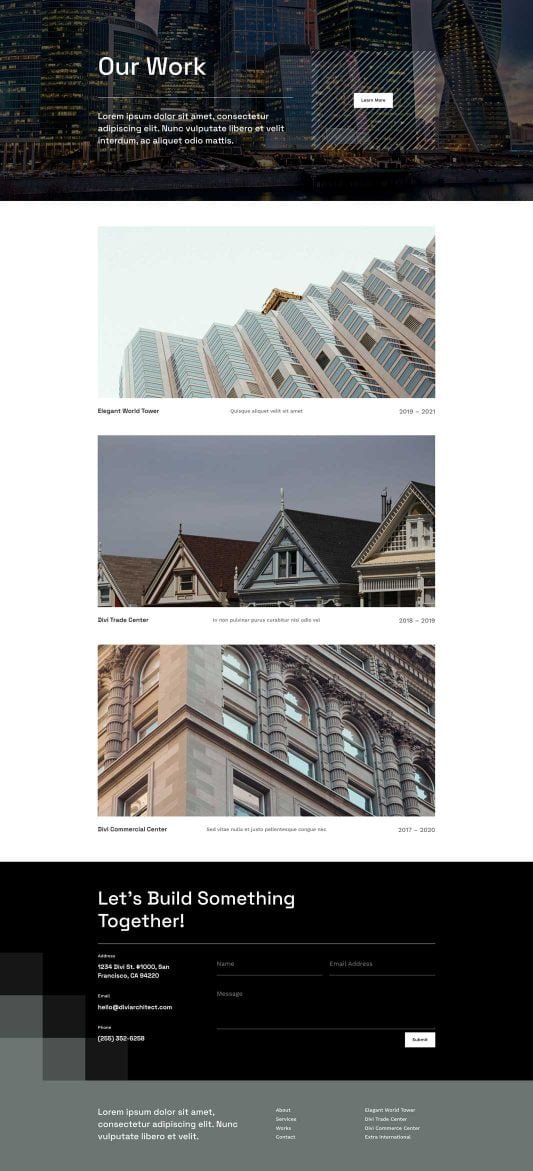
Why Is My High-Resolution Portfolio Hurting My Website Speed and SEO?
Our SEO pros will elevate your Google presence, landing you top spots for queries like “sustainable architect Melbourne” or “renovation specialist Perth.” No more fading into the background—unlock organic traffic from Canberra’s modernist buffs or the Gold Coast’s beachfront dreamers!
We’ll jazz up your social media with a creative flair on Instagram and Facebook: eye-catching renders, behind-the-scenes builds, and tips on green architecture that ignite shares and connections. It’s your chance to shine as the go-to creative force in spots like Hobart’s historic enclaves or Darwin’s tropical outposts.
Need swift project leads? Our Google Ads and Facebook Ads are architect-tuned, pinpointing Aussie developers and homeowners with clever, cost-effective campaigns that boost consultations and trim the chase—ideal for architecture hotspots in Sydney and Melbourne.
We’re your upbeat collaborators in elevation, focused on results that let you pour passion into every line and curve. Keen for a laid-back brainstorm over virtual flat whites? Head to our website—let’s blueprint your firm’s stellar rise together!