

Table of Contents
In the competitive world of bagel shops, where customer loyalty can make or break your bottom line, understanding Lifetime Customer Value (LTV) is essential. LTV represents the total revenue a business can expect from a single customer over the course of their relationship. For bagel shop owners in Melbourne, calculating LTV helps prioritize marketing efforts, optimize pricing, and build strategies that retain regulars who come back for that perfect everything bagel and cream cheese combo. At PKRank, our digital marketing expertise empowers local businesses like yours to harness data-driven insights for growth. This article guides you through calculating LTV for a regular customer, using practical examples tailored to the bagel industry.
What is Lifetime Customer Value
Lifetime Customer Value quantifies the long-term worth of a customer beyond their first purchase. Unlike one-off transactions, LTV accounts for repeat visits, factoring in how often customers return and how long they remain loyal. For bagel shops, where margins on fresh baked goods are tight, focusing on LTV shifts your perspective from acquiring new customers to nurturing regulars. This metric informs decisions on customer acquisition costs (CAC), revealing whether your Google Ads or social media campaigns in Melbourne are truly profitable.
Transitioning from basic sales tracking to LTV calculation provides a clearer financial picture. By estimating future revenue streams, you can allocate resources effectively—perhaps investing more in loyalty apps that encourage daily bagel runs.
Why LTV Matters for Bagel Shop Owners
In Melbourne’s bustling cafe scene, bagel shops face stiff competition from chains and artisanal bakeries. LTV highlights the goldmine in regulars: a customer grabbing a bagel and coffee three times a week could generate thousands annually. Knowing their value justifies spending on personalized email campaigns or targeted Facebook ads via agencies like PKRank. Moreover, LTV benchmarks help compare customer segments—say, office workers versus weekend families—guiding inventory and promotions.
As you delve deeper, you’ll see how LTV integrates with retention strategies, reducing churn and boosting profitability. Next, we break down the core formula.
The Basic LTV Formula
The standard LTV formula for a regular customer is straightforward: LTV = Average Purchase Value × Purchase Frequency × Customer Lifespan. Here, Average Purchase Value is the typical spend per visit, Purchase Frequency measures visits per period, and Lifespan estimates years of loyalty. This simplicity makes it accessible for busy bagel shop owners without needing advanced software initially.
However, for precision, consider discounting future cash flows or incorporating profit margins. With that foundation, let’s explore the step-by-step process to compute it accurately.
Step by Step Guide to Calculating LTV
- Determine Average Purchase Value (APV): Divide total revenue by the number of transactions over a period, say the last year. For a bagel shop, if revenue was $200,000 from 50,000 transactions, APV = $4. This might include a $3.50 bagel plus $1.50 coffee.
- Calculate Purchase Frequency (PF): Divide transactions by unique customers. If 10,000 unique customers made 50,000 purchases, PF = 5 per year. Regulars might visit 3-5 times weekly.
- Estimate Average Customer Lifespan (ACL): Use historical data or industry averages. Bagel shop customers might stay loyal for 5 years if you foster community through events or apps.
- Multiply the Components: LTV = APV × PF × ACL. Adjust for gross margin (e.g., 60%) for net LTV: Net LTV = LTV × Margin.
- Refine with Retention Rate: For growing accuracy, use LTV = (APV × PF × Margin) / (1 – Retention Rate), where Retention Rate is the percentage of customers who return yearly.
These steps provide a robust framework. To illustrate, consider a real-world bagel shop scenario in the table below.
Example LTV Calculation for a Melbourne Bagel Shop
| Metric | Value | Formula/Notes |
|---|---|---|
| Average Purchase Value | $6.50 | ($4 bagel + $2.50 coffee/drink) × 1.2 (upsell average) |
| Purchase Frequency (per year) | 150 | 3 visits/week × 50 weeks |
| Average Customer Lifespan (years) | 4 | Based on POS data showing 75% retention after year 1 |
| Gross Margin | 65% | After cost of goods (flour, cream cheese, etc.) |
| Gross LTV | $975 | $6.50 × 150 × 4, rounded |
| Net LTV | $634 | $975 × 0.65 |
This table demonstrates a regular customer’s value at $634 net—far exceeding the $50 acquisition cost from a targeted PKRank SEO campaign. Such insights drive smarter investments.
Advanced Tips for Accurate LTV
While the basics suffice for starters, refine your model with cohort analysis from tools like Google Analytics. Segment by customer type: commuters versus tourists. Factor in seasonality—Melbourne’s winter boosts hot bagel sales. Integrate retention tactics like loyalty programs, where PKRank’s email automation can increase frequency by 20%.
Monitor LTV quarterly, adjusting for inflation or menu changes. Pair it with CAC: if CAC < 1/3 LTV, your marketing scales profitably. These refinements elevate your bagel shop from survivor to leader.
In conclusion, mastering LTV calculation empowers Melbourne bagel shop owners to cultivate profitable regulars amid fierce competition. By following these steps and leveraging data, you’ll make informed decisions that amplify revenue. Partner with PKRank for bespoke digital strategies that turn LTV insights into action—contact us today to elevate your bagel business.
Empower Your Bagel Shop with PKRank’s Tailored Digital Solutions
Hey there, dough dynamo! Whipping up chewy bagels and fresh schmears in Australia’s vibrant foodie scene is a delight, but luring in those hungry crowds? That’s the real rise-and-shine challenge.
At PKRank, we’re all about sprinkling digital marketing magic that’s fun, fuss-free, and flavor-packed for bagel bosses like you—whether you’re toasting classics in Sydney’s multicultural markets, innovating flavors in Melbourne’s cafe crawl, or slinging stacks in Brisbane’s brunch hotspots.
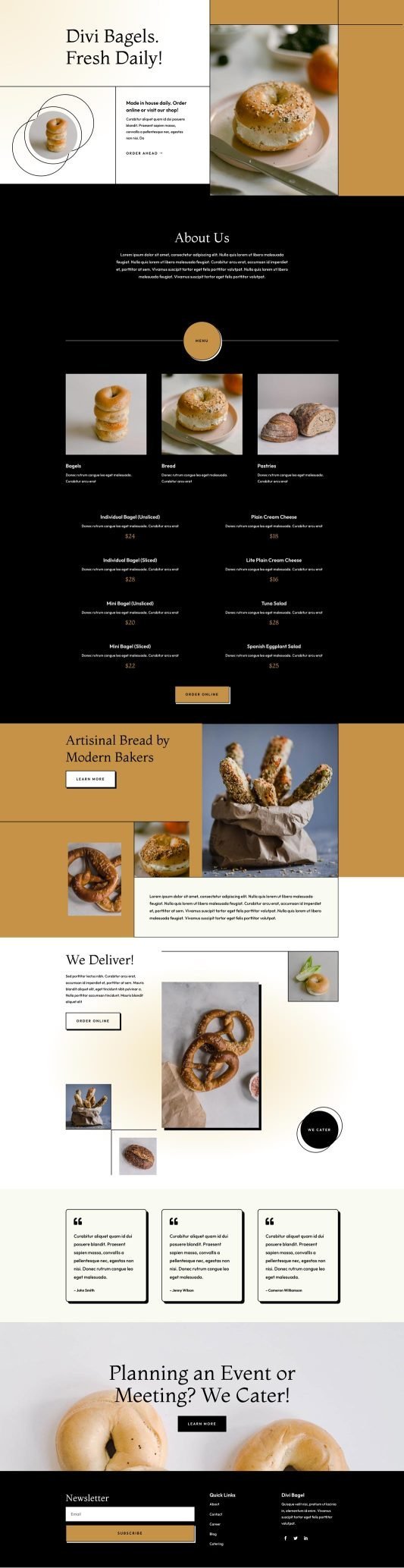
Picture a deliciously designed website baked fresh for your shop, with mouthwatering photo menus of everything bagels, lox-loaded beauties, or vegan twists, plus online ordering and loyalty perks. We’ll keep it crumb-free and mobile-munchable, so foodies from Perth’s fusion eateries to Adelaide’s artisan alleys can grab a bite virtually anytime.
Bagel Shop Website Demo
How to Calculate the Lifetime Customer Value (LTV) for a Regular Customer?
Our SEO bakers will knead your Google spot to the top, ensuring you’re the first crave for “best bagels Melbourne” or “bagel delivery Perth.” No more getting buried in the bread aisle—pull in organic foot traffic from Canberra’s coffee chasers or the Gold Coast’s surf-and-smear seekers!
We’ll glaze your social media with tasty vibes on Instagram and Facebook: steamy fresh-out-of-the-oven shots, pairing polls, and customer cream-cheese confessions that spread like wildfire. It’s your way to become the neighborhood nibble in areas from Hobart’s harbor hangs to Darwin’s tropical treats.
Craving quicker queues? Our Google Ads and Facebook Ads are precisely portioned, targeting Aussie appetite alerts with budget-bite setups that boost orders and nix the no-shows—tailor-made for bagel buzz in Sydney and Melbourne.
We’re your sweet sidekicks in sales, all about results that let you focus on the perfect boil. Up for a chat over virtual bagels? Swing by our website—let’s dough this and turn your shop into a breakfast blockbuster together!
Last Updated on March 21, 2026 by PKRank