

Table of Contents
In the fast-paced world of e-commerce, particularly for food businesses like bagel shops, the right UX/UI design can make the difference between a one-time visitor and a loyal customer. Imagine a Melbourne bagel shop owner launching an online store where customers can swiftly browse fresh bagels, customize toppings, and complete purchases in under two minutes. This is the power of optimized UX/UI design. At PKRank, our Melbourne-based digital marketing firm, we specialize in crafting such intuitive e-commerce sites tailored for quick-service food industries. This article explores the best UX/UI strategies for creating quick and easy e-commerce food sites, ensuring seamless user experiences that drive sales and repeat business.
Understanding UX and UI in E-commerce Food Sites
UX, or User Experience, focuses on the overall feel of the interaction—how intuitive and enjoyable the journey is from landing on the homepage to checkout. UI, or User Interface, deals with the visual and interactive elements like buttons, menus, and layouts. For food e-commerce sites, especially those selling grab-and-go items like bagels, these elements must prioritize speed and simplicity. Customers are often hungry, in a rush, or on mobile devices during commutes. Poor design leads to high bounce rates; excellent design boosts conversions by up to 400%, according to industry benchmarks.
Transitioning to practical application, the foundation of great design lies in understanding user behavior. Food shoppers seek high-quality images, effortless navigation, and minimal friction. By analyzing heatmaps and user flows, designers identify pain points, such as confusing menus that slow down orders for popular items like everything bagels with cream cheese.
Key Principles for Quick and Easy Navigation
To achieve lightning-fast interactions, adhere to proven principles that streamline the shopping process. These guidelines ensure users find products, customize orders, and pay without frustration.
- Minimize Clicks: Limit steps to product selection, cart addition, and checkout—ideally three taps on mobile.
- Visual Hierarchy: Use large, appetizing hero images of bagels at the top, followed by categorized menus like “Classic Bagels,” “Spreads,” and “Bundles.”
- Progressive Disclosure: Show basic options first, revealing customizations only when selected to avoid overwhelming users.
- Consistent Feedback: Provide instant visual cues, like animations when adding items to cart, confirming actions without page reloads.
- Accessibility First: Ensure high contrast, alt text for images, and keyboard navigation for all users, including those with disabilities.
Implementing these principles creates a frictionless path. For instance, a bagel shop site could feature a one-page checkout with auto-fill for repeats, reducing abandonment rates significantly.
Performance Benchmarks A Comparison Table
Beyond principles, benchmarking against common design approaches highlights what works best for food e-commerce. The table below compares traditional multi-page designs with modern single-page applications (SPAs), using metrics relevant to quick-service sites.
| Design Approach | Average Load Time | Conversion Rate Improvement | Mobile Bounce Rate | Best For |
|---|---|---|---|---|
| Traditional Multi-Page | 4-6 seconds | Baseline (2-3%) | 50-60% | Complex catalogs |
| Modern SPA with Lazy Loading | 1-2 seconds | +200-400% | 20-30% | Quick food orders |
| Progressive Web App (PWA) | <1 second | +300-500% | 10-20% | Mobile-first bagel shops |
This comparison underscores why PWAs excel for bagel shops: offline capability allows menu browsing without internet, and push notifications remind customers of daily specials. As we move forward, integrating these benchmarks ensures your site outperforms competitors.
Mobile-First Design Strategies
With over 60% of food orders placed via mobile, a mobile-first approach is non-negotiable. Start designing for smallest screens, then scale up. Thumb-friendly buttons, swipeable galleries for bagel varieties, and collapsible menus prevent clutter. Tools like Google’s Mobile-Friendly Test validate responsiveness.
Furthermore, personalization enhances UX. Use geolocation to suggest nearby pickup times or AI-driven recommendations like “Pair your sesame bagel with lox.” Secure, one-click payments via Apple Pay or Google Wallet seal the deal quickly.
Visual and Interactive Elements for Food Appeal
UI shines through visuals that evoke hunger. High-resolution, 360-degree photos of steaming bagels, subtle animations like steam rising, and color schemes mimicking fresh ingredients—warm beiges, vibrant greens—stimulate appetite. Avoid stock images; custom photography builds trust.
Interactivity keeps users engaged: drag-and-drop customizers for toppings, live order previews, and progress bars during checkout. A/B testing these elements refines what resonates, often revealing preferences for minimalist designs over flashy ones.
In addition, trust signals like customer reviews, hygiene badges, and real-time inventory prevent cart abandonment. Seamless integration with delivery apps like Uber Eats extends reach without complicating the core site.
Measuring Success and Iteration
Post-launch, tools like Google Analytics and Hotjar track metrics: time on site under 90 seconds signals success, while session recordings expose issues. Regular audits and user feedback loops keep the design evolving.
In conclusion, the best UX/UI for quick and easy e-commerce food sites emphasizes speed, simplicity, and sensory appeal—perfect for bagel shops aiming to capture Melbourne’s on-the-go crowd. By adopting mobile-first PWAs, core navigation principles, and data-driven visuals, businesses can skyrocket conversions. Partner with PKRank, Melbourne’s experts in digital marketing for food e-commerce, to transform your bagel shop’s online presence into a revenue powerhouse. Contact us today for a free UX audit and watch your orders surge.
Empower Your Bagel Shop with PKRank’s Tailored Digital Solutions
Hey there, dough dynamo! Whipping up chewy bagels and fresh schmears in Australia’s vibrant foodie scene is a delight, but luring in those hungry crowds? That’s the real rise-and-shine challenge.
At PKRank, we’re all about sprinkling digital marketing magic that’s fun, fuss-free, and flavor-packed for bagel bosses like you—whether you’re toasting classics in Sydney’s multicultural markets, innovating flavors in Melbourne’s cafe crawl, or slinging stacks in Brisbane’s brunch hotspots.
Picture a deliciously designed website baked fresh for your shop, with mouthwatering photo menus of everything bagels, lox-loaded beauties, or vegan twists, plus online ordering and loyalty perks. We’ll keep it crumb-free and mobile-munchable, so foodies from Perth’s fusion eateries to Adelaide’s artisan alleys can grab a bite virtually anytime.
Bagel Shop Website Demo
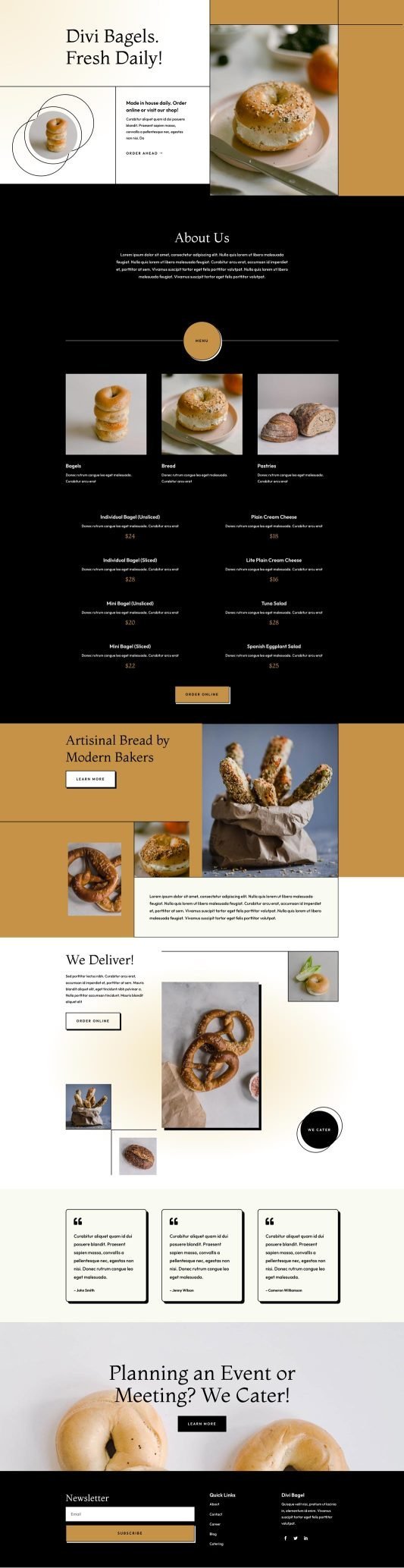
What UX/UI Design Is Best for a Quick and Easy E-commerce Food Site?
Our SEO bakers will knead your Google spot to the top, ensuring you’re the first crave for “best bagels Melbourne” or “bagel delivery Perth.” No more getting buried in the bread aisle—pull in organic foot traffic from Canberra’s coffee chasers or the Gold Coast’s surf-and-smear seekers!
We’ll glaze your social media with tasty vibes on Instagram and Facebook: steamy fresh-out-of-the-oven shots, pairing polls, and customer cream-cheese confessions that spread like wildfire. It’s your way to become the neighborhood nibble in areas from Hobart’s harbor hangs to Darwin’s tropical treats.
Craving quicker queues? Our Google Ads and Facebook Ads are precisely portioned, targeting Aussie appetite alerts with budget-bite setups that boost orders and nix the no-shows—tailor-made for bagel buzz in Sydney and Melbourne.
We’re your sweet sidekicks in sales, all about results that let you focus on the perfect boil. Up for a chat over virtual bagels? Swing by our website—let’s dough this and turn your shop into a breakfast blockbuster together!
Last Updated on March 21, 2026 by PKRank