

Table of Contents
What Is the Best Way to Structure Content Silos for Different Asset Classes Shares Forex SMSF
In the competitive world of brokerage firms, establishing a strong online presence is essential for attracting and retaining clients. Content silos, a strategic SEO approach, help build topical authority by organizing content around specific themes. For brokerage firms dealing with diverse asset classes like shares, forex, and Self-Managed Super Funds (SMSF), structuring these silos effectively can drive targeted traffic and position your brand as an industry leader. As a Melbourne-based digital marketing firm, PKRank specialises in helping brokerage businesses optimise their content strategies to outperform competitors.
This article explores the best practices for structuring content silos tailored to shares, forex, and SMSF. By segmenting content logically, you create interconnected hubs that improve search engine rankings and user engagement. Let’s dive into the fundamentals and practical applications.
Understanding Content Silos in Digital Marketing
Content silos refer to clusters of interlinked pages focused on a narrow topic, forming a ‘silo’ that signals expertise to search engines like Google. Unlike flat site structures, silos use internal linking to guide users and crawlers deeper into relevant content. For brokerage firms, this means creating dedicated silos for each asset class, ensuring that queries about shares lead to comprehensive resources without diluting focus on forex or SMSF topics.
Transitioning from general financial advice to asset-specific insights, silos enhance dwell time and reduce bounce rates. Moreover, they support entity-based SEO, where Google recognises your site as authoritative for terms like “best shares for beginners” or “SMSF investment strategies.”
Key Benefits for Brokerage Firms
Brokerage owners in Melbourne and beyond can leverage content silos to target high-intent keywords. This structure not only boosts organic traffic but also nurtures leads through educational content that funnels users toward services like trading platforms or advisory consultations. At PKRank, we’ve seen clients achieve 40-60% increases in qualified leads by implementing targeted silos.
Now, consider how to customise silos for each asset class. Shares require in-depth analysis of equities, forex demands real-time market volatility insights, and SMSF needs compliance-focused guidance. This differentiation prevents topic cannibalisation and maximises ROI on content creation.
Structuring Content Silos for Shares
For shares, build a pillar page as the silo hub, covering “Ultimate Guide to Share Trading in Australia.” Subtopics branch into cluster content like beginner strategies, ASX blue-chip picks, and dividend investing. Internal links from the pillar to clusters, and cross-links to related SMSF shares integration, create a robust structure.
Focus on evergreen content such as stock valuation methods and risk management, updated quarterly with market reports. This keeps the silo fresh and authoritative. Tools like Google Analytics help track performance, ensuring shares silo content resonates with retail investors.
Structuring Content Silos for Forex
Forex silos thrive on dynamic content due to 24/7 market movements. Start with a pillar on “Forex Trading Essentials for Australians,” linking to clusters on major pairs (EUR/USD), technical analysis, and leverage risks. Emphasise educational videos and calculators for currency conversions to boost engagement.
Moving seamlessly to practical tips, include weekly market outlooks and economic calendar guides. Link forex volatility discussions back to shares for portfolio diversification advice. PKRank recommends Ahrefs or SEMrush for keyword research, targeting long-tail phrases like “best forex brokers in Melbourne.”
Structuring Content Silos for SMSF
SMSF silos demand regulatory precision, given Australia’s strict superannuation rules. Anchor with a pillar page: “Complete SMSF Investment Guide.” Clusters cover asset allocation, auditor requirements, and hybrid strategies blending shares and forex.
Audit trails and compliance checklists are vital here. Use case studies of successful SMSF portfolios to build trust. Interlink with shares and forex silos to show holistic advice, such as “Incorporating Forex into Your SMSF.”
Best Practices Across Asset Classes
To unify silos, follow these proven steps:
- Conduct keyword research per asset class using tools like Google Keyword Planner.
- Create 10-15 cluster pages per pillar, each 1500+ words with visuals.
- Implement schema markup for finance entities to enhance rich snippets.
- Optimise internal linking with anchor text matching user intent.
- Monitor with Google Search Console and refresh content bi-annually.
These practices ensure silos are not isolated but interconnected, guiding users through a logical content journey.
Comparative Silo Structures
| Asset Class | Pillar Topic | Core Clusters (Examples) | Linking Strategy | Update Frequency |
|---|---|---|---|---|
| Shares | Ultimate Guide to Share Trading | Blue-chips, Dividends, Valuation | Pillar-to-cluster, cross to SMSF | Quarterly |
| Forex | Forex Trading Essentials | Pairs Analysis, Leverage, Calendars | Dynamic links to shares diversification | Weekly |
| SMSF | Complete SMSF Guide | Compliance, Allocation, Hybrids | Regulatory links to shares/forex | Bi-annual |
This table illustrates tailored approaches, highlighting how frequency and links vary by asset dynamism.
Integrating Silos for Maximum Impact
Finally, integrate silos via a master navigation menu or hub page like “Asset Class Investment Strategies.” This ‘mega silo’ links to individual pillars, reinforcing domain authority. PKRank’s clients in the brokerage sector have reported doubled conversion rates through such integrations.
In conclusion, structuring content silos for shares, forex, and SMSF empowers brokerage firms to dominate search results and convert visitors into loyal clients. By following these strategies—rooted in SEO best practices and asset-specific nuances—your firm can achieve sustainable growth. Partner with experts like PKRank in Melbourne to implement and scale these silos effectively, transforming your digital presence into a powerful client acquisition engine.
Empower Your Brokerage Firm with PKRank’s Tailored Digital Solutions
Hey there, deal dynamo! Navigating the ups and downs of Australia’s dynamic investment scene is your forte, but reeling in savvy clients amid market buzz? Let’s streamline that savvy.
At PKRank, we’re all about crafting digital marketing that’s polished, personable, and profit-boosting for brokerage pros like you—whether you’re trading stocks in Sydney’s financial frenzy, advising portfolios in Melbourne’s market mavens, or growing assets in Brisbane’s buoyant businesses.
Envision a sophisticated, secure website engineered for your firm, highlighting investment strategies, market insights, and client dashboards with intuitive navigation and real-time data feeds. We’ll fortify it with compliance-ready features and mobile mastery, so investors from Perth’s resource riches to Adelaide’s agribusiness allies can explore opportunities on the go.
Our SEO strategists will propel your Google prominence, capturing top trades for searches like “stock broker Melbourne” or “financial advisor Perth.” Trade the shadows for spotlight organic leads from Canberra’s capital custodians or the Gold Coast’s retirement ready!
Brokerage Firm Website Demo
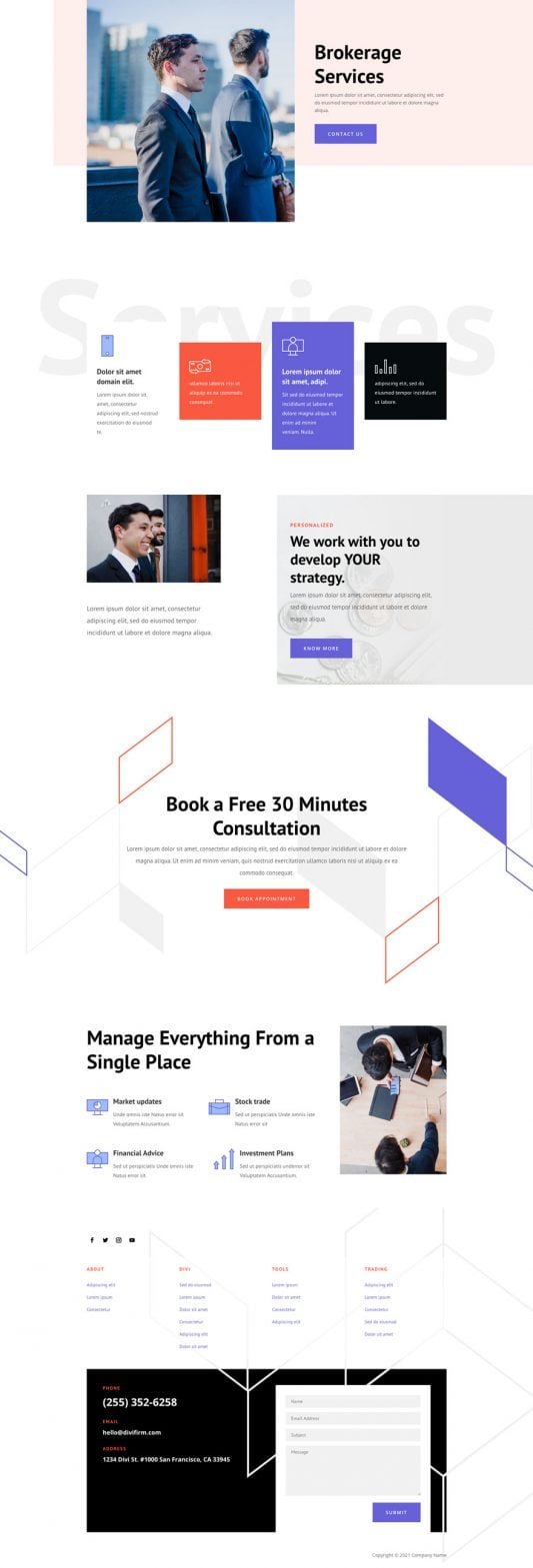
What Is the Best Way to Structure Content Silos for Different Asset Classes (Shares, Forex, SMSF)?
We’ll enrich your social media with insightful elegance on LinkedIn and Facebook: market trend threads, webinar whispers, and success story spotlights (anonymized, naturally) that foster trust and follows. It’s your edge to emerge as the reliable guide in circles from Hobart’s heritage holdings to Darwin’s development deals.
Seeking swift client conversions? Our Google Ads and Facebook Ads are market-matched, zeroing in on Aussie wealth seekers with astute, allocation-aware campaigns that amplify appointments and minimize misses—geared for brokerage booms in Sydney and Melbourne.
We’re your steadfast strategy squad for surge, all about results that let you master the markets. Up for a relaxed review over virtual ristretto? Visit our website—let’s broker your firm’s breakout success together!