

Table of Contents
In the ever-evolving architecture industry, where innovation and visibility go hand in hand, discovering untapped design niches can propel your firm ahead of the competition. Architects in Melbourne and beyond face fierce rivalry, making it essential to target specific audience segments that others overlook. Competitive keyword research emerges as a powerful strategy, revealing hidden opportunities by analyzing what competitors rank for and where gaps exist. This approach not only refines your SEO efforts but also uncovers niche markets ripe for dominance. By leveraging data-driven insights, you can craft content and services tailored to emerging trends, such as sustainable micro-housing or adaptive reuse projects. In this article, we explore how to harness competitive keyword research effectively, step by step, to identify those lucrative, underexplored design niches.
Understanding Competitive Keyword Research
Competitive keyword research involves scrutinizing the keywords your rivals target, measuring their performance, and pinpointing opportunities they miss. Unlike traditional keyword research, which focuses solely on search volume, this method emphasizes competitor gaps—low-competition keywords with decent traffic potential. For architects, this means going beyond broad terms like “Melbourne architects” to specifics like “eco-friendly office retrofits Melbourne.”
Why does this matter? High-competition keywords drain resources with minimal returns, while untapped ones offer quicker rankings and targeted leads. Tools analyze search engine results pages (SERPs) to reveal what drives traffic to competitors’ sites. Transitioning from awareness to action, let’s examine the essential tools that make this process seamless.
Essential Tools for Competitive Keyword Research
Selecting the right tools is crucial for accurate data. Popular options include Ahrefs, SEMrush, and SpyFu, each offering unique features like keyword gap analysis and backlink insights. Free alternatives such as Google Keyword Planner provide a starting point, though paid tools yield deeper competitor intelligence.
These platforms track metrics like keyword difficulty (KD), search volume, and cost-per-click (CPC), helping you prioritize. For instance, SEMrush’s Organic Research tool lists top organic keywords for any domain. As you gather this data, the next phase involves structuring your research systematically.
Step by Step Guide to Conducting Research
Follow these structured steps to transform raw data into actionable insights. Begin with identifying your top competitors—firms ranking highly for your primary services. Input their domains into your chosen tool to extract keyword data.
- Compile Competitor Keywords: Export lists of top-performing keywords from 3-5 rivals, focusing on those with KD under 30 for easier wins.
- Analyze Overlaps and Gaps: Use keyword gap tools to find terms competitors rank for that you don’t, and vice versa.
- Evaluate Metrics: Filter by volume over 100 monthly searches, low KD, and relevance to design niches like “parametric facade design” or “biophilic interiors Australia.”
- Check SERP Features: Note if keywords trigger featured snippets or local packs, indicating high-intent opportunities.
- Refine with Trends: Cross-reference with Google Trends for rising niches, such as “net-zero homes Melbourne.”
With this list in hand, transitions smoothly into niche identification become evident. Now, let’s visualize the potential through real-world examples.
Identifying Untapped Design Niches
Once keywords are gathered, cluster them thematically to reveal niches. For example, keywords around “adaptive reuse warehouses” might cluster into industrial heritage conversions—a growing niche amid urban renewal in Melbourne. Look for long-tail variations (3+ words) with rising volume but low competition; these often point to emerging trends like regenerative design or modular prefab systems.
Validate niches by assessing intent: informational keywords suit blog content, while transactional ones like “hire sustainable architect Melbourne” target services. This segmentation ensures your efforts align with client needs. To illustrate, consider the table below, which compares sample keywords across competitors.
| Keyword | Search Volume | Keyword Difficulty | Competitor Ranking | Opportunity Score |
|---|---|---|---|---|
| sustainable architecture Melbourne | 500 | 45 | Firm A, Firm B | Medium |
| biophilic office design Australia | 200 | 22 | None | High |
| parametric architecture firms | 150 | 28 | Firm C | High |
| micro-home designs eco-friendly | 300 | 15 | None | Very High |
| heritage building retrofits | 400 | 35 | Firm A | Medium |
This table highlights “biophilic office design Australia” and “micro-home designs eco-friendly” as prime untapped targets due to zero or low competition. By creating content around these, architects can capture early traffic.
Implementing Insights for Business Growth
Action follows discovery. Optimize your website with these keywords in titles, meta descriptions, and headers. Develop niche-specific landing pages, such as one for biophilic designs featuring case studies. Complement with content marketing—blogs, whitepapers, and videos—that ranks quickly and builds authority.
Track progress using Google Analytics and Search Console, refining as needed. For Melbourne-based firms, localize further with geo-modifiers. Partnering with experts like PKRank, a premier digital marketing agency in Melbourne, amplifies results through tailored SEO strategies honed for the architecture sector.
In conclusion, competitive keyword research unlocks untapped design niches by exposing market gaps competitors ignore. By methodically applying tools, steps, and analysis, architects can secure targeted leads and establish thought leadership. Embrace this data-centric approach today, and watch your firm rise in visibility and bookings. Start your research now to claim those niches before others do.
Empower Your Architectural Firm with PKRank’s Tailored Digital Solutions
Hey there, design visionary! Dreaming up stunning structures in Australia’s sun-soaked landscapes can be pure magic, but getting your blueprints in front of the right clients? That’s where the real blueprint comes in.
At PKRank, we’re all about keeping digital marketing breezy, approachable, and incredibly impactful for architects like you—whether you’re sketching sustainable homes in Sydney’s harbor views, innovating high-rises in Melbourne’s laneway charm, or crafting coastal gems in Brisbane’s riverside vibe.
Imagine a polished, immersive website built from the ground up for you, featuring interactive portfolios of your residential wonders, commercial masterpieces, or eco-friendly designs with seamless galleries and 3D viewer integrations. We’ll ensure it’s mobile-responsive, so builders and homeowners from Perth’s urban sprawl to Adelaide’s heritage sites can explore your vision effortlessly on the go.
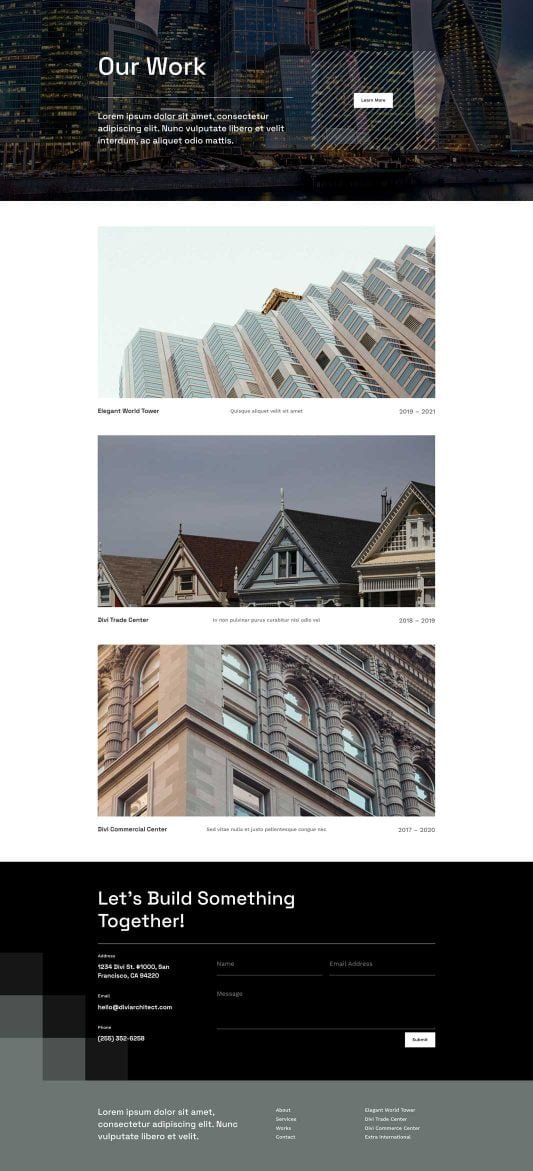
How to Use Competitive Keyword Research to Discover Untapped Design Niches?
Our SEO pros will elevate your Google presence, landing you top spots for queries like “sustainable architect Melbourne” or “renovation specialist Perth.” No more fading into the background—unlock organic traffic from Canberra’s modernist buffs or the Gold Coast’s beachfront dreamers!
We’ll jazz up your social media with a creative flair on Instagram and Facebook: eye-catching renders, behind-the-scenes builds, and tips on green architecture that ignite shares and connections. It’s your chance to shine as the go-to creative force in spots like Hobart’s historic enclaves or Darwin’s tropical outposts.
Need swift project leads? Our Google Ads and Facebook Ads are architect-tuned, pinpointing Aussie developers and homeowners with clever, cost-effective campaigns that boost consultations and trim the chase—ideal for architecture hotspots in Sydney and Melbourne.
We’re your upbeat collaborators in elevation, focused on results that let you pour passion into every line and curve. Keen for a laid-back brainstorm over virtual flat whites? Head to our website—let’s blueprint your firm’s stellar rise together!