
Table of Contents
In the dynamic and competitive landscape of the Melbourne culinary scene, launching a new menu or introducing a catering service is a significant undertaking. For bistros, in particular, a fresh offering or the expansion into catering can breathe new life into the business, attract new customers, and solidify existing relationships. However, the success of such a launch hinges not just on the quality of the food, but on a robust and strategically executed digital marketing plan. At PKRank, a Melbourne-based digital marketing firm, we understand the unique challenges and opportunities faced by the hospitality industry. This article provides a comprehensive digital checklist specifically designed for bistros looking to launch a new menu or catering service, ensuring your culinary creations reach the right audience and resonate effectively in the digital space.
The Crucial Role of Digital Marketing in Menu and Catering Launches
The days of simply announcing a new menu change with a chalkboard sign are long gone. In today’s interconnected world, a significant portion of your potential diners and clients will discover, research, and decide based on their online presence. This is especially true for bistros, which often cultivate a loyal local following that relies on digital channels for updates and information. A well-executed digital strategy acts as your online ambassador, showcasing your new offerings, enticing customers, and building anticipation. For catering services, the digital realm is your primary storefront, where potential clients browse menus, review testimonials, and make crucial booking decisions. Without a strong digital foundation, even the most exquisite new menu or the most professional catering service can remain a well-kept secret, limiting your growth potential and revenue.
Pre-Launch Digital Foundations
Before you even think about posting a single photo, establishing a solid digital foundation is paramount. This involves ensuring your core online assets are optimized and ready to receive the influx of attention your new venture deserves.
Website Audit and Optimization
Your website is your digital headquarters. Before a new menu or catering service comes into play, conduct a thorough audit. Is it mobile-responsive? In today’s mobile-first world, a clunky mobile experience will deter a significant portion of your audience. Load times are critical; a slow website frustrates users and can lead them to competitors. Ensure your contact information, location, and operating hours are up-to-date and easily accessible. For menu launches, prominently feature your existing menu in an easily downloadable or viewable format. For catering, ensure your website clearly outlines your catering capabilities, including service areas, package options, and a clear call to action for inquiries.
Consider redesigning or updating specific sections of your website to highlight the new offerings. This might involve creating a dedicated landing page for the new menu, showcasing its theme, key dishes, and the inspiration behind it. For catering, a dedicated catering section with high-quality imagery, detailed service descriptions, and testimonials is essential. Think about user experience (UX) – is it intuitive for customers to find the information they need about your new menu or catering services? Are the calls to action clear and compelling, guiding users towards making a reservation, downloading a menu, or requesting a catering quote?
Search Engine Optimization (SEO) Basics
Your target audience is searching for new dining experiences and catering options online. Are you visible? A basic SEO audit of your website is crucial. Identify relevant keywords that potential customers in Melbourne might use. For a new menu, this could include terms like “new bistro menu Melbourne,” “seasonal dishes [your suburb],” or “[your bistro’s cuisine] specials Melbourne.” For catering, keywords might be “Melbourne corporate catering,” “event catering [your suburb],” or “wedding catering Melbourne.” Ensure these keywords are naturally integrated into your website content, meta descriptions, and page titles. Local SEO is particularly vital for bistros; claim and optimize your Google Business Profile listing, ensuring accurate business information, photos, and encouraging customer reviews.
Beyond basic keyword integration, focus on creating high-quality, informative content that naturally incorporates these terms. This might involve writing blog posts about the inspiration behind your new menu, the sourcing of local ingredients, or tips for planning a successful event with your catering service. Backlinks from reputable local food blogs or business directories can also boost your SEO performance. A strong local SEO strategy will ensure that when someone in Melbourne searches for a new dining experience or catering service, your bistro appears prominently in their search results.
Social Media Presence Audit
Your social media channels are powerful tools for generating buzz and engaging with your audience. Before launching your new menu or catering service, review your existing profiles. Are they complete, with accurate contact information and a consistent brand aesthetic? Are you actively posting engaging content? Identify which platforms are most relevant to your target audience – for bistros, this often includes Instagram, Facebook, and potentially TikTok for visual appeal, while LinkedIn might be more relevant for promoting corporate catering services.
Ensure your social media bios clearly communicate what you offer, and include a link to your website. Consider the overall tone and voice of your social media presence. Is it reflective of your bistro’s personality and the experience you offer? Are you currently engaging with your followers and responding to comments and messages? A well-maintained and active social media presence provides a fertile ground for launching your new initiatives and building anticipation.
The Digital Checklist for Launching a New Menu
A new menu is an opportunity to reinvent your offering and excite your existing customer base while attracting new diners. A strategic digital rollout is essential for maximizing its impact.
1. High-Quality Visual Content Creation
Food is inherently visual. Before guests can taste your new creations, they need to see them. Invest in professional food photography and videography. This isn’t just about pretty pictures; it’s about creating an irresistible allure. Each dish on your new menu should be captured in its best light, showcasing textures, colours, and presentation. Short, engaging videos of dishes being prepared or plated can create a sense of excitement and exclusivity. This content will be the backbone of your digital marketing efforts, populating your website, social media, and advertising campaigns.
Consider showcasing the ingredients and the inspiration behind the dishes. Behind-the-scenes glimpses of your chefs at work or the sourcing of local produce can add authenticity and depth to your narrative. For different platforms, adapt your visuals; Instagram thrives on stunning static images and reels, while Facebook allows for more detailed photo albums and longer videos. Ensure your visuals are consistent with your brand’s aesthetic and the overall theme of the new menu.
2. Website Menu Update and Integration
Your website must accurately reflect your new menu. This means updating your online menu section with descriptions, pricing, and any dietary information. Ensure the menu is easily accessible and downloadable in a user-friendly format, such as a PDF. For a major menu overhaul, consider creating a dedicated landing page for the new menu. This page can tell the story behind the dishes, highlight key ingredients, and feature tantalizing imagery. Use clear, enticing language to describe each dish, appealing to the senses and creating desire.
Think about incorporating features like online reservations directly linked to your new menu, allowing diners to browse and book with ease. If you use a third-party online ordering or reservation system, ensure it’s updated promptly with the new menu items. A seamless transition from browsing to booking is crucial for converting interest into actual customers. The user experience on your menu page should be intuitive and visually appealing, making it a pleasure for customers to explore your new offerings.
3. Social Media Teasers and Announcements
Build anticipation with a strategic social media campaign. Start with teaser posts weeks in advance, hinting at new flavours, seasonal ingredients, or a fresh culinary direction. Use captivating visuals and intriguing captions that spark curiosity. Reveal the new menu gradually, perhaps showcasing one or two dishes per week leading up to the official launch. Create a dedicated launch date announcement across all your platforms. Utilize Instagram Stories and Reels for dynamic, behind-the-scenes glimpses of menu development and preparation.
Engage your followers by asking questions about their favourite ingredients or what they’re most excited to try. Run polls about potential new dishes or flavour combinations. Encourage user-generated content by inviting your audience to share their thoughts and feedback once the menu is launched. Consider a countdown to the launch date to build excitement. Your social media channels are ideal for creating a buzz and driving traffic to your website or reservations system.
4. Email Marketing Campaign
Your email list is a direct line to your most loyal customers. Craft a compelling email campaign announcing the new menu. Start with a teaser email to your subscribers, followed by a more detailed announcement email that highlights key dishes, introduces the theme, and provides a link to view the full menu online. You might also consider offering an exclusive pre-launch tasting opportunity or a special discount for your email subscribers to celebrate the new menu.
Personalize your email communications where possible. Segment your list based on past dining preferences if you have that data. Ensure your emails are visually appealing, incorporating the high-quality imagery you’ve created. Include a clear call to action, such as “View the New Menu” or “Book Your Table.” Automation can be your friend here; schedule your email sequence to drip-feed information and maintain momentum. Remember to track your email open rates and click-through rates to gauge the effectiveness of your campaign.
5. Influencer and Media Outreach
Leverage the power of Melbourne’s food bloggers, critics, and local media to amplify your launch. Identify influential individuals in the Melbourne food scene whose audience aligns with your bistro’s demographic. Invite them for a pre-launch tasting, offering them an exclusive first look at your new menu. Provide them with all the necessary information, including high-resolution images and a press release detailing the new offerings. Encourage them to share their honest reviews and experiences with their followers.
For a broader reach, consider sending out a well-crafted press release to local culinary publications and online food guides. This can generate valuable media coverage and introduce your new menu to a wider audience. Building relationships with local journalists and influencers can result in ongoing positive exposure for your bistro. Ensure you are responsive to their inquiries and provide them with excellent hospitality.
6. Paid Social Media Advertising
To expand your reach beyond your existing followers, invest in targeted paid social media advertising. Create compelling ad campaigns on platforms like Facebook and Instagram that feature your most visually appealing new dishes. Target your ads to specific demographics, interests, and geographic locations within Melbourne. This will ensure your new menu is seen by potential diners who are actively looking for new culinary experiences.
Utilize objectives such as website traffic, reach, or engagement to drive specific actions. Consider running retargeting campaigns to individuals who have previously interacted with your social media or visited your website. This can encourage them to return and explore your new menu. A/B test your ad creatives, copy, and targeting to optimize your campaign performance and maximize your return on investment. Small, well-managed ad spends can have a significant impact on driving awareness and foot traffic.
7. Google Ads Campaigns
Complement your social media efforts with targeted Google Ads. Create search campaigns for keywords relevant to your new menu, such as “new menus Melbourne CBD,” “[cuisine type] restaurants Melbourne,” or “best dishes [your suburb].” Your ads should be concise, compelling, and include a clear call to action, such as “Discover Our New Menu” or “Book Now.” Utilize ad extensions to provide additional information, such as your phone number, location, and popular new dishes.
Consider running display campaigns on relevant websites or apps to increase brand awareness. For menus with a specific theme or ingredient focus, tailor your ad copy and keywords accordingly. Ensure your landing page is optimized to receive traffic from your Google Ads campaigns, providing a seamless conversion path.
8. User-Generated Content Strategy
Encourage your diners to share their experiences with your new menu online. Create a unique hashtag for your new menu launch and promote it across all your platforms. Run contests or offer incentives for customers who share photos or reviews of their favorite new dishes. This authentic content from real customers is incredibly valuable for building trust and credibility.
Engage with and re-share user-generated content. This not only provides you with a wealth of authentic marketing material but also shows your appreciation for your customers and encourages further sharing. Monitor your social media channels for mentions of your bistro and respond to comments and reviews, both positive and negative, in a professional and timely manner. This demonstrates your commitment to customer satisfaction.
9. Analytics and Performance Tracking
Once your new menu is launched, it’s crucial to track its digital performance. Monitor website traffic, focusing on the pages related to your new menu. Track social media engagement, including likes, shares, comments, and mentions. Analyze your email marketing campaign performance, looking at open rates, click-through rates, and conversion rates. Use Google Analytics to understand how users are interacting with your website and identify any areas for improvement.
Track online reservations and orders that can be attributed to the new menu. Gather feedback from customer reviews and social media comments to understand what’s resonating and what might need tweaking. This data-driven approach allows you to refine your ongoing digital marketing efforts and make informed decisions about future menu development and promotions.
The Digital Checklist for Launching a New Catering Service
Expanding into catering opens up new revenue streams and allows you to reach a different segment of the market. A strategic digital approach is essential for attracting and converting catering inquiries.
1. Dedicated Catering Webpage or Section
Your website needs a clear, compelling, and easily navigable section dedicated to your catering services. This isn’t an afterthought; it’s your primary digital catering storefront. This section should clearly outline what you offer, including:
- Service Offerings: Detail the types of events you cater to (corporate events, private parties, weddings, etc.).
- Menu Options: Present your catering menu, which may differ from your a la carte menu. Highlight flexibility and customization options.
- Service Area: Clearly define the geographic areas you serve in Melbourne.
- Packages and Pricing: If you offer set packages, present them clearly. If it’s custom pricing, explain your process for providing quotes.
- Testimonials and Case Studies: Showcase positive feedback and examples of successful events you’ve catered.
- Gallery: Include high-quality images of past catering events, food presentations, and setups.
- Contact and Inquiry Form: Make it extremely easy for potential clients to get in touch.
The design of this section should align with your bistro’s overall brand but also convey professionalism, reliability, and the calibre of your catering services. User experience is paramount; potential clients are often under pressure to find reliable caterers, so the information needs to be readily available and presented in a digestible format.
2. High-Quality Catering Visuals
Just as with menu launches, visuals are critical for catering. Invest in professional photography and videography that showcases your catering prowess. This includes:
- Food Presentation: Photos of beautifully plated buffet setups, canapés, plated meals, and dessert stations.
- Event Examples: Images of your team in action, creating a professional and organized event environment.
- Table Settings and Styling: If you offer styling services, showcase your ability to create an aesthetically pleasing event.
- Client Satisfaction: While more challenging to capture, if you have permission, photos of happy clients or guests can be powerful.
These visuals will be used across your website, social media, digital advertisements, and in proposals sent to potential clients. Ensure the quality of your catering visuals is as high as the quality of your food and service.
3. Search Engine Optimization for Catering Keywords
People actively search for catering services in Melbourne. Your SEO strategy needs to be tailored to these specific search terms. Focus on keywords such as:
- “Melbourne corporate catering”
- “Event catering [your suburb]”
- “Wedding caterer Melbourne”
- “Party catering [your Melbourne area]”
- “Catering services for office events”
- “Best caterers Melbourne”
Integrate these keywords naturally into your website copy, meta descriptions, title tags, and image alt text on your catering pages. Local SEO is extremely important; ensure your Google Business Profile is updated to reflect your catering services and include relevant photos and service descriptions. Encourage past catering clients to leave reviews on your Google Business Profile, as this builds credibility.
4. Social Media Campaign for Catering
Leverage your social media presence to attract catering clients. Create a dedicated content strategy for your catering services:
- Showcase Past Events: Regularly post photos and videos from recent catering events, highlighting the variety and quality of your offerings.
- Behind-the-Scenes: Share glimpses of your catering team preparing for events, demonstrating your professionalism and meticulousness.
- Menu Spotlights: Highlight specific catering menu items or packages that are popular or seasonal.
- Client Testimonials: Share quotes and positive feedback from happy catering clients.
- Informative Content: Post tips for planning successful events or choosing the right caterer.
- Targeted Ads: Run paid social media campaigns on platforms like Facebook and LinkedIn, targeting businesses or individuals who are likely to be organizing events in Melbourne.
Use relevant hashtags such as #melbournecatering #eventplanner #corporateevents #weddingcatering #functionfood.
5. Email Marketing for Lead Generation and Nurturing
Your email list can be a valuable source for catering leads, especially if you’ve previously had corporate clients or hosted private events. You can also build a dedicated catering inquiry list by offering a downloadable catering brochure or guide on your website.
- Targeted Outreach: Send targeted emails to your existing contacts who might be organizing events.
- Lead Magnet: Offer a valuable resource, such as “The Ultimate Guide to Planning Your Corporate Event Catering in Melbourne,” in exchange for email addresses.
- Nurturing Campaigns: For leads who have inquired but haven’t booked, set up automated email sequences that provide them with more information, success stories, and gentle reminders.
- Promotional Offers: Occasionally offer special promotions for early bookings or off-peak dates.
Personalization and segmenting your email list based on the type of event they might be interested in will significantly increase your engagement rates.
6. Paid Advertising for Lead Generation
Targeted paid advertising can be a highly effective way to reach potential catering clients actively searching for services. Consider:
- Google Search Ads: Bid on keywords like “corporate caterers Melbourne,” “event food Sydney,” or “wedding catering packages.” Your ads should be compelling and direct users to your dedicated catering page.
- LinkedIn Ads: This platform is excellent for reaching business professionals who may be responsible for organizing corporate events. Target by job title, industry, and company size.
- Facebook Ads: While also suitable for broader targeting, you can refine your Facebook ad campaigns to reach individuals interested in event planning or specific demographics likely to host private events.
Ensure your landing pages are optimized for conversion, with clear calls to action to request a quote or consultation.
7. Influencer and Partnership Marketing
Collaborate with event planners, venues, and other businesses in the Melbourne event industry. They are often looking for reliable and high-quality catering partners for their clients.
- Venue Partnerships: Offer exclusive catering packages to specific Melbourne venues.
- Event Planner Collaborations: Network with event planners and offer them sample tastings or preferred partner rates.
- Industry Events: Participate in local hospitality or event industry trade shows or networking events.
- Food Bloggers/Influencers: Invite relevant food or lifestyle influencers to experience your catering services, which can lead to valuable content and wider exposure.
Building strong relationships within the event ecosystem can lead to a consistent stream of qualified leads.
8. Online Review Management
For catering, online reviews are incredibly influential. Potential clients will scrutinize your reputation. Ensure you:
- Actively Solicit Reviews: After a successful event, politely ask clients to leave a review on platforms like Google, Yelp, or even your Facebook page.
- Respond to All Reviews: Acknowledge and thank clients for positive feedback. Professionally address any negative comments, demonstrating your commitment to customer satisfaction and issue resolution.
- Showcase Testimonials: Feature the best testimonials prominently on your catering webpage and in your marketing materials.
A strong collection of positive reviews builds trust and makes potential clients more confident in choosing your services.
9. Seamless Inquiry and Quoting Process
The digital inquiry process needs to be as smooth and efficient as possible. Ensure your online inquiry form is comprehensive but not overwhelming. Clearly outline what information you need to provide an accurate quote.
- Prompt Responses: Aim to respond to all catering inquiries within a set, short timeframe (e.g., 24 business hours).
- Professional Proposals: When providing quotes, present them in a professional, branded document that clearly outlines the menu, services, pricing, and terms.
- Follow-Up Strategy: Have a clear strategy for following up with potential clients who have received a quote but haven’t yet confirmed.
A positive initial digital interaction can set the tone for the entire client relationship.
10. Analytics and ROI Tracking
Just like with menu launches, ongoing monitoring is key. Track the performance of your catering-focused digital marketing efforts:
- Website Traffic to Catering Pages: Identify where your catering leads are coming from.
- Inquiry Form Submissions: Monitor the volume and source of catering inquiries.
- Conversion Rates: Track how many inquiries turn into booked events.
- ROI of Paid Campaigns: Measure the cost of your advertising against the revenue generated from catering bookings.
- Customer Feedback: Analyze feedback from catering clients to identify areas for improvement.
Utilize tools like Google Analytics and your CRM (if applicable) to gain insights into what’s working and where you can optimize your digital strategy for catering.
Conclusion
Launching a new menu or a catering service for your Melbourne bistro is an exciting venture that holds significant potential for growth and increased revenue. However, in today’s digitally driven marketplace, success is inextricably linked to a well-defined and meticulously executed digital marketing strategy. From optimizing your website and leveraging the power of social media to employing targeted advertising campaigns and fostering genuine customer engagement, every digital touchpoint plays a crucial role. At PKRank, we are passionate about helping Melbourne’s hospitality businesses thrive in the digital landscape. By following this comprehensive digital checklist, you can ensure your new culinary offerings are not only delicious but also widely discovered, enthusiastically embraced, and ultimately, commercially successful. Remember, a proactive and strategic digital approach is your most powerful tool for cutting through the noise and making your new menu or catering service a resounding triumph.
Empower Your Bistro with PKRank’s Tailored Digital Solutions
Hey there, flavor maestro! Curating cozy corners and crave-worthy plates in Australia’s lively dining scene is your art, but filling those seats night after night? Let’s savor the easy way.
At PKRank, we’re all about dishing out digital marketing that’s warm, welcoming, and wickedly effective for bistro owners like you—whether you’re simmering sauces in Sydney’s harborside haunts, plating fusion in Melbourne’s alley eateries, or firing up grills in Brisbane’s backyard bistros.
Imagine a charming, appetite-whetting website whipped up for your spot, with drool-worthy menus of rustic risottos, fresh seafood specials, or veggie delights, complete with reservation widgets and virtual tours. We’ll make it tablet-tempting and mobile-morsel-ready, so diners from Perth’s portside patios to Adelaide’s wine-country whims can reserve a table from afar.
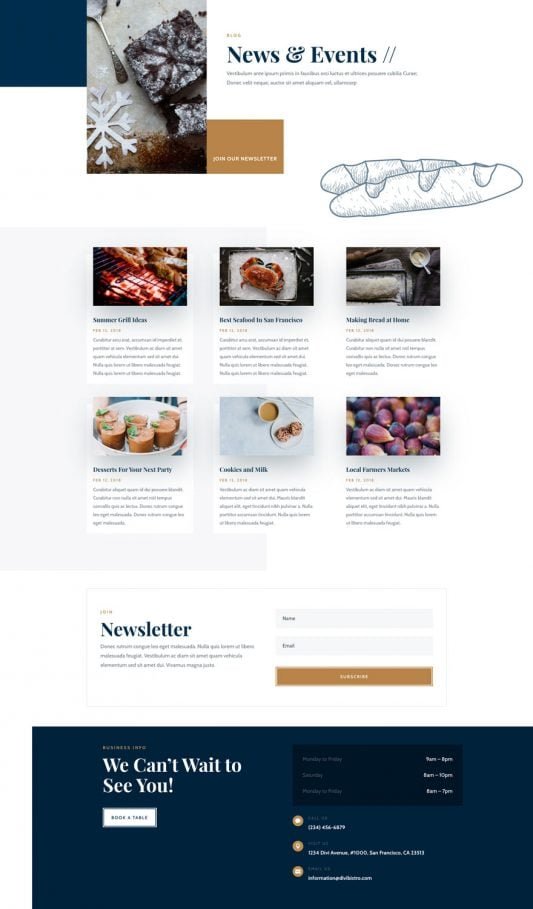
What Is the Digital Checklist for Launching a New Menu or Catering Service?
Our SEO chefs will spice up your Google ranking, claiming top table for searches like “romantic bistro Melbourne” or “casual dinner Perth.” Skip the side-dish obscurity and draw in organic crowds from Canberra’s cultured connoisseurs or the Gold Coast’s sunset suppers!
We’ll season your social media with savory stories on Instagram and Facebook: sizzling kitchen clips, wine-pairing whispers, and guest gratitude posts that tantalize timelines. It’s your recipe for becoming the local legend in scenes from Hobart’s waterfront wonders to Darwin’s dusk delights.
Hungry for hurried reservations? Our Google Ads and Facebook Ads are flavor-focused, luring Aussie food lovers with clever, calorie-conscious campaigns that pack the house and pare down the empty chairs—suited to sizzling bistro belts in Sydney and Melbourne.
We’re your tasty table-turners for triumph, all about results that let you master the menu. Craving a casual confab over virtual vino? Drop by our website—let’s cook up a feast of success for your bistro together!