

Table of Contents
In the vibrant and competitive culinary landscape of Melbourne, bistros thrive on building enduring relationships with their patrons. As a digital marketing firm deeply rooted in this city, PKRank understands the unique challenges and opportunities faced by local establishments. One of the most potent tools in a bistro’s arsenal for cultivating this loyalty is email marketing, specifically through well-timed and strategically crafted newsletters. However, the question that plagues many restaurant owners is: what is the ideal frequency for sending these emails to foster customer loyalty without becoming intrusive or ineffective? This article, brought to you by PKRank, will delve into the nuances of determining the perfect newsletter cadence, offering insights and actionable strategies to help Melbourne bistros maximize their customer engagement and ultimately, their revenue.
The Crucial Role of Customer Loyalty in the Bistro Industry
Before we dissect the frequency of email campaigns, it’s essential to acknowledge why customer loyalty is paramount for bistros. Unlike a fleeting purchase, a bistro experience is often about building a connection—a sense of belonging and consistent quality. Loyal customers are the bedrock of any successful food establishment. They return not just for the food, but for the atmosphere, the service, and the overall experience. These patrons are also more likely to spend more, try new menu items, and become vocal advocates, sharing their positive experiences through word-of-mouth and online reviews. In a city like Melbourne, where the dining scene is exceptionally diverse and dynamic, cultivating this loyal customer base is not just beneficial; it’s a necessity for long-term survival and growth.
Understanding the Purpose of Bistro Newsletters
Newsletters are more than just digital flyers; they are a direct line of communication to your most engaged customers. For a bistro, a well-executed newsletter can serve multiple purposes. It can be used to announce new menu items, highlight seasonal specials, promote upcoming events like live music nights or wine tastings, share behind-the-scenes stories about the chefs or suppliers, offer exclusive discounts and loyalty rewards, and even provide recipes or tips related to the cuisine. Essentially, a newsletter keeps your bistro top-of-mind, reminding customers of why they fell in love with your establishment in the first place and enticing them to return for their next dining experience.
The Double-Edged Sword of Email Frequency
The frequency of your newsletter sends, therefore, becomes a critical strategic decision. Too few emails, and you risk being forgotten, allowing competitors to capture your customers’ attention and dining dollars. Too many, however, and you risk overwhelming your audience, leading to email fatigue, higher unsubscribe rates, and potentially negative brand perception. The sweet spot lies in finding a balance that keeps your bistro relevant and engaging without becoming a nuisance. This balance is not a one-size-fits-all solution and requires careful consideration of several factors.
Factors Influencing the Ideal Email Frequency
Several key elements should inform your decision on how often to send newsletters to your bistro’s customer base. Understanding these influences is the first step towards developing an effective email strategy.
Audience Segmentation and Their Preferences
Not all your customers are created equal, nor do they have the same engagement levels or preferences. Segmenting your email list is crucial. For instance, customers who have signed up for a birthday club might expect more frequent, personalized offers than those who occasionally visit for a casual lunch. Understanding your different customer segments—new patrons, regulars, special occasion diners—allows you to tailor both content and frequency. Some segments might welcome weekly updates, while others might prefer bi-weekly or even monthly communications. This nuanced approach respects individual customer journeys and preferences, fostering a stronger sense of connection.
Content Type and Value Proposition
The nature of the content you are sending significantly impacts the acceptable frequency. If you have exciting, time-sensitive offers or highly anticipated event announcements, you might be able to send emails more frequently. For example, a special weekend tasting menu or a one-time concert announcement warrants a dedicated email. However, if your content is more general—perhaps a general update on the restaurant or a perennial menu feature—a lower frequency is more appropriate. The key is to ensure that every email you send offers genuine value to the recipient. If your content is consistently valuable and relevant, customers will be more receptive, regardless of the exact frequency.
The Bistro’s Offering and Turnover Rate
Consider the core offerings of your bistro. A restaurant with a frequently changing menu, a rotating specials board, and a calendar packed with events can naturally support a higher email cadence. Conversely, a bistro with a more static menu and fewer special events might find a lower frequency more sustainable and less repetitive. If your menu changes seasonally, for example, quarterly updates focusing on those changes would be logical. If you have daily specials, perhaps a weekly digest highlighting the week’s best dishes could work, but this requires a robust system for content creation and distribution.
Customer Engagement Metrics and Analytics
The most reliable way to determine ideal email frequency is to listen to your audience—through their actions. Closely monitor key email marketing metrics: open rates, click-through rates (CTR), conversion rates, and unsubscribe rates. A high open rate suggests your subject lines are compelling, but a low CTR might indicate the content isn’t engaging enough or the call to action is unclear, regardless of frequency. Conversely, a steady increase in unsubscribe rates, especially after an increase in email frequency, is a clear warning sign that you’re sending too much. Conversely, if your open and click-through rates are consistently high, and unsubscribes remain low, you may have room to explore slightly higher frequencies. Regularly analyzing these metrics will provide concrete data to guide your adjustments.
Benchmarking Against Competitors
While it’s essential to establish your own strategy, understanding what your competitors are doing can provide valuable context. How often are other successful bistros in Melbourne sending newsletters? This is not about blindly copying; rather, it’s about understanding industry norms and identifying potential gaps or opportunities. If most bistros are sending weekly, and you’re sending monthly, you might be missing out on engagement. If they’re sending daily, and you’re seeing high unsubscribe rates when you try to match them, you know to pull back. Observe their content and the apparent reception from their audience.
Testing and Iteration A Core Strategy
The journey to finding the “ideal” frequency is an ongoing process of testing and refinement. What works today might not work tomorrow, as customer behaviors and preferences evolve. Therefore, a commitment to continuous testing is crucial.
A/B Testing Different Frequencies
The most direct way to test frequency is through A/B testing. Divide a segment of your email list into two or more groups. Send one group emails at a particular frequency (e.g., weekly) and another group at a different frequency (e.g., bi-weekly). Compare the engagement metrics for each group. For example, you might test sending a newsletter every Tuesday versus every Thursday. Over time, you can refine your approach based on which schedule yields better results for open rates, clicks, and conversions.
Analyzing the Impact of Content on Frequency
Experiment with how different types of content influence the optimal frequency. If you have a highly engaging series of blog posts about Australian wines, you might consider sending those out more frequently in a dedicated series. If you have a single, major event, ensure that event-related emails are timed appropriately around the event, and don’t necessarily dictate your ongoing newsletter cadence. Track how different content types perform and adjust your overall frequency based on what consistently resonates with your audience.
Subscriber Feedback and Surveys
Don’t underestimate the power of directly asking your subscribers. Periodically include a short survey within your newsletter asking for feedback on frequency and content. Questions like “How often would you prefer to hear from us?” or “What kind of content do you find most valuable?” can provide invaluable qualitative data. This not only helps you refine your strategy but also makes your subscribers feel heard and valued, further strengthening their loyalty.
Common Email Frequencies and Their Pros and Cons for Bistros
Let’s explore some common email frequencies and consider their applicability to Melbourne bistros, along with their advantages and disadvantages.
Weekly Newsletters
Pros: Keeps your bistro consistently at the forefront of customers’ minds. Excellent for driving immediate action with daily specials, limited-time offers, or event announcements. Can build strong daily engagement habits among loyal customers.
Cons: High risk of content fatigue and increasing unsubscribe rates if content isn’t consistently fresh and valuable. Requires a significant amount of compelling content creation resources. Can feel overwhelming to subscribers with busy lives.
Best For: Bistros with a high volume of daily specials, a very active events calendar, or those that are experiencing rapid growth and want to aggressively build brand awareness.
Bi-Weekly (Fortnightly) Newsletters
Pros: Offers a good balance between staying top-of-mind and avoiding subscriber overload. Allows enough time to gather interesting content and for offers to be considered by patrons. Often results in higher open and click-through rates than daily or weekly sends due to perceived value and less frequency.
Cons: If there’s no particularly exciting news or offer in a given fortnight, the email might feel a bit thin. Can still be too frequent for some audiences or if content quality dips.
Best For: Most bistros in Melbourne looking for a sustained, engaging communication strategy. This frequency allows for showcasing a mix of upcoming events, new dishes, and perhaps a featured supplier or chef story.
Monthly Newsletters
Pros: Lower risk of overwhelming subscribers. Content can be curated to be high-impact and comprehensive, often featuring monthly specials, upcoming events for the entire month, and perhaps a more in-depth story or recipe. Typically results in lower unsubscribe rates.
Cons: Can lead to customers forgetting about your bistro if competitors are more frequent. Missed opportunities to capture impulse dining decisions or timely event attendance.
Best For: Bistros with a more consistent and less frequently changing menu, or those that want to focus on deeper storytelling and building a more considered brand image rather than immediate sales. Also suitable for segments that genuinely prefer less frequent communication.
Quarterly Newsletters
Pros: Minimal risk of over-communication. Can be used for significant announcements like seasonal menu overhauls, major renovations, or annual signature events. The scarcity can make each email feel more like an important announcement.
Cons: Extremely low engagement. Customers can easily forget about the bistro between sends. Not suitable for driving regular foot traffic or promoting short-term offers. The impact is diluted.
Best For: Primarily for customer retention for very high-end, destination bistros, or for specific loyalty program updates that are truly event-driven, rather than for general marketing.
Occasional / Event-Driven Emails
Pros: Highly relevant and timely. Customers are more receptive because the email directly relates to their interests or needs at that moment (e.g., booking for a special holiday, attending a specific performance). Very high engagement rates expected for these specific campaigns.
Cons: Cannot be the sole communication strategy; it relies on having an established regular communication channel. Requires careful planning around specific events or promotions.
Best For: Complementing a regular newsletter schedule. Perfect for holidays (Christmas, Valentine’s Day, Mother’s/Father’s Day), specific themed events (e.g., Beaujolais Nouveau, Melbourne Food and Wine Festival), or flash sales.
Building a Sustainable Email Strategy with PKRank
At PKRank, we understand that implementing a successful email marketing strategy for your Melbourne bistro involves more than just picking a number. It requires a holistic approach, integrating your email efforts with your overall digital marketing goals.
Content is King Even in Email
We cannot stress enough the importance of high-quality, engaging content. Your newsletters should not just be about selling; they should be about providing value, building community, and showcasing the unique personality of your bistro. This could include:
- Behind-the-scenes looks at your kitchen and staff.
- Spotlights on local suppliers and the story behind your ingredients.
- Tips on wine pairings or cocktail making.
- Customer testimonials and user-generated content.
- Seasonal recipe inspirations using your signature dishes.
- Exclusive offers for subscribers, such as early bird booking for events or a “secret” menu item.
The more valuable and interesting your content, the more receptive your audience will be to your communications, regardless of frequency.
Leveraging Your CRM and Data
Your customer relationship management (CRM) system, which often ties into your reservation system and POS, is a goldmine of information. By analyzing customer purchase history, dining frequency, and preferences, you can create highly targeted email segments. This allows you to send tailored content and offers to different groups, making your communication more relevant and thus, enabling you to potentially adjust frequency based on segment activity. For example, a customer who dines twice a week may respond differently to an email than someone who visits twice a year.
Automation and Personalization
Email automation allows you to send specific emails triggered by customer actions or milestones. This includes welcome emails for new subscribers, birthday greetings with special offers, or re-engagement campaigns for lapsed customers. Personalization, such as using the customer’s name and referencing their past orders, creates a more intimate connection. These automated and personalized emails, while part of your overall strategy, do not necessarily dictate your main newsletter frequency but supplement it, ensuring continuous, relevant touchpoints.
The Role of Social Media Integration
Your email newsletters should not exist in a vacuum. Integrate your email marketing efforts with your social media presence. Encourage social media followers to sign up for your newsletter, and use your newsletter to drive traffic to your social media profiles or encourage user-generated content using specific hashtags. This creates a synergistic marketing ecosystem where each channel supports the others, enhancing overall customer engagement and brand visibility.
Setting Realistic Goals and Measuring Success
Before you send your first newsletter, know what you want to achieve. Are you aiming to increase reservations, boost online orders, promote a new menu, or simply build brand awareness? Set SMART (Specific, Measurable, Achievable, Relevant, Time-bound) goals for your email campaigns. Regularly track your progress against these goals using the metrics mentioned earlier. This data-driven approach ensures that your email marketing efforts are continuously aligned with your business objectives, allowing for informed adjustments to frequency and content.
A Practical Approach for Melbourne Bistros
For a typical Melbourne bistro, a balanced and agile approach is often most effective. Here’s a recommended path:
- Start with Bi-Weekly: For most bistros, a bi-weekly newsletter provides a solid starting point. This allows for meaningful content without overwhelming subscribers.
- Content Calendar is Key: Develop a content calendar that plans out your newsletter themes and offers for at least a month in advance. This ensures consistency and quality.
- Segment and Personalize: Begin segmenting your list from day one. Even basic segmentation (e.g., new subscribers vs. existing customers) can make a difference.
- Monitor and Analyze Meticulously: Set up your analytics dashboard and check key metrics weekly. Pay close attention to open rates, click-through rates, and especially, unsubscribe rates.
- Test and Iterate: After a few months of bi-weekly sends, if your metrics are strong (high opens, good clicks, low unsubscribes), consider testing a weekly newsletter for specific campaigns or a segmented group. Conversely, if you see declining engagement, consider moving to monthly for your general newsletter while maintaining event-driven communications.
- Don’t Forget Occasional Campaigns: Supplement your regular newsletters with highly targeted emails for holidays, special events, or unique promotions. These can be sent more frequently but should be clearly distinct from your standard newsletter.
Avoiding Common Pitfalls
As you navigate the world of email marketing frequency, be mindful of common mistakes that can harm your efforts:
- Sending without a clear purpose: Every email should have a goal, whether it’s to drive a booking, draw attention to a new dish, or share an exciting update.
- Ignoring your audience: Failing to listen to or analyze subscriber feedback and engagement metrics is a recipe for disaster.
- Inconsistent quality: Sending frequently but with low-quality content will do more harm than good.
- Lack of personalization: Generic emails feel impersonal and are less effective at building loyalty.
- Over-reliance on sales: While driving revenue is important, your newsletters should also aim to build relationships and provide value beyond just promotions.
The PKRank Advantage for Melbourne Bistros
As a Melbourne-based digital marketing firm, PKRank is uniquely positioned to help bistros like yours navigate these complexities. We combine our understanding of the local market with proven digital marketing strategies to craft email campaigns that resonate with your target audience. From audience segmentation and content creation to campaign execution and performance analysis, we offer a comprehensive service designed to optimize your email marketing efforts. We can help you identify the ideal frequency, develop compelling content, and leverage data to ensure your newsletters are not just sent, but are actively contributing to your bistro’s growth and customer loyalty.
Conclusion
Determining the ideal frequency for customer loyalty and newsletter emails for your Melbourne bistro is a dynamic process that requires careful consideration, continuous analysis, and a commitment to your audience. While there’s no single magic number, by understanding your audience, the value of your content, and by diligently monitoring engagement metrics, you can find a cadence that keeps your bistro in the conversation without becoming a burden. The goal is to build a consistent, valuable, and welcomed communication channel that nurtures strong customer relationships, encourages repeat visits, and ultimately, drives business success. At PKRank, we are passionate about helping Melbourne’s culinary gems thrive, and we are here to guide you every step of the way in mastering the art of persuasive and impactful email marketing.
Empower Your Bistro with PKRank’s Tailored Digital Solutions
Hey there, flavor maestro! Curating cozy corners and crave-worthy plates in Australia’s lively dining scene is your art, but filling those seats night after night? Let’s savor the easy way.
At PKRank, we’re all about dishing out digital marketing that’s warm, welcoming, and wickedly effective for bistro owners like you—whether you’re simmering sauces in Sydney’s harborside haunts, plating fusion in Melbourne’s alley eateries, or firing up grills in Brisbane’s backyard bistros.
Imagine a charming, appetite-whetting website whipped up for your spot, with drool-worthy menus of rustic risottos, fresh seafood specials, or veggie delights, complete with reservation widgets and virtual tours. We’ll make it tablet-tempting and mobile-morsel-ready, so diners from Perth’s portside patios to Adelaide’s wine-country whims can reserve a table from afar.
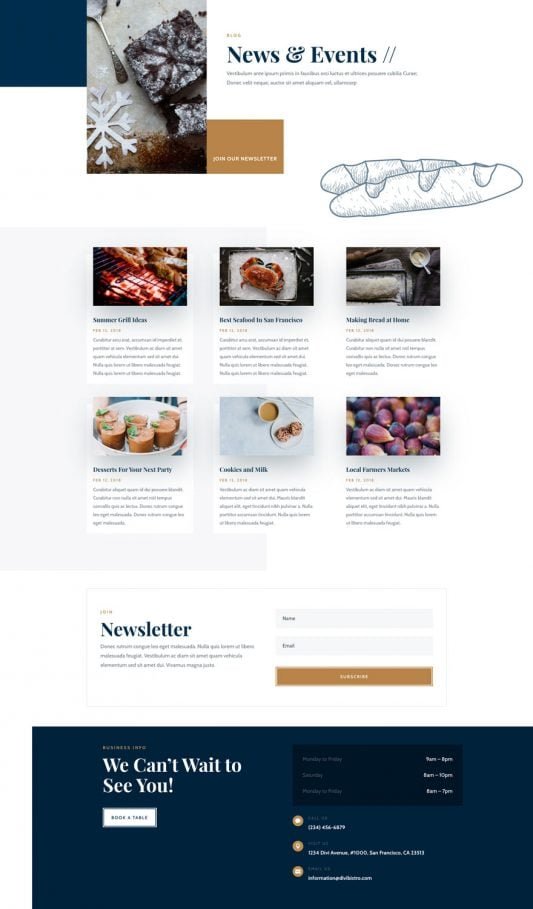
How to Determine the Ideal Frequency for Customer Loyalty and Newsletter Emails?
Our SEO chefs will spice up your Google ranking, claiming top table for searches like “romantic bistro Melbourne” or “casual dinner Perth.” Skip the side-dish obscurity and draw in organic crowds from Canberra’s cultured connoisseurs or the Gold Coast’s sunset suppers!
We’ll season your social media with savory stories on Instagram and Facebook: sizzling kitchen clips, wine-pairing whispers, and guest gratitude posts that tantalize timelines. It’s your recipe for becoming the local legend in scenes from Hobart’s waterfront wonders to Darwin’s dusk delights.
Hungry for hurried reservations? Our Google Ads and Facebook Ads are flavor-focused, luring Aussie food lovers with clever, calorie-conscious campaigns that pack the house and pare down the empty chairs—suited to sizzling bistro belts in Sydney and Melbourne.
We’re your tasty table-turners for triumph, all about results that let you master the menu. Craving a casual confab over virtual vino? Drop by our website—let’s cook up a feast of success for your bistro together!