

Table of Contents
In the competitive world of architecture, your project portfolio is more than just a showcase of your work—it’s a powerful lead-generation tool. However, with search engines increasingly prioritizing user experience and structured content, simply displaying projects isn’t enough. Optimizing your project portfolio filters for maximum SEO impact can significantly boost your visibility, attract qualified leads from business owners seeking architectural expertise, and position your firm as a leader in Melbourne and beyond. This article explores the best strategies to refine those filters, drawing on proven digital marketing tactics tailored for architects.
Understanding Project Portfolio Filters
Project portfolio filters allow visitors to your website to sort through your architectural projects based on criteria like project type, location, completion date, or style. These interactive elements, often powered by JavaScript libraries such as Isotope or custom WordPress plugins, enhance user navigation. From an SEO perspective, filters go beyond usability—they influence how search engines crawl and index your content. When not optimized, filters can create duplicate content issues or hidden pages that crawlers miss, diluting your site’s authority.
Transitioning to optimization, consider how filters align with user intent. Architects in Melbourne targeting residential or commercial clients benefit from filters that mirror common search queries, such as “sustainable homes Melbourne” or “office renovations architects.” By structuring filters semantically, you signal relevance to Google, improving rankings for long-tail keywords.
Why SEO Optimization of Filters Drives Business Growth
Search engine optimization for portfolio filters isn’t just technical—it’s strategic. Google’s algorithms favor sites with intuitive navigation and fast-loading pages. Poorly optimized filters can lead to high bounce rates, as users frustrated by irrelevant results abandon your site. Conversely, SEO-optimized filters keep visitors engaged longer, signaling quality to search engines and increasing dwell time metrics.
For architectural firms, this translates to more organic traffic from potential clients searching for specific expertise. Data from tools like Google Analytics shows that filtered portfolio pages often convert at higher rates because they deliver hyper-targeted content. As Melbourne’s architectural scene grows, standing out requires leveraging these elements to dominate local SERPs.
Key Strategies for Filter Optimization
To achieve maximum SEO impact, start by auditing your current setup. Identify high-performing filters based on user behavior and keyword research. Tools like Google Search Console and Ahrefs reveal which project categories attract traffic, guiding your refinements.
Next, implement URL structures that support filters. Instead of hash-based filtering (e.g., #residential), use query parameters like /portfolio/?type=residential. This creates indexable URLs, allowing Googlebot to crawl each filtered view as a unique page. Ensure your site’s robots.txt doesn’t block these, and submit an updated XML sitemap including filtered URLs.
Moreover, enrich filter pages with unique content. Each filtered view should feature custom meta titles, descriptions, and H1 tags dynamically generated. For instance, a “Melbourne Residential Projects” filter could have a title like “Award-Winning Residential Architects in Melbourne | PKRank Clients.” This prevents thin content penalties while boosting keyword density.
Best Practices Checklist
Here’s a numbered list of essential best practices to optimize your filters effectively:
- Keyword Integration: Research and embed high-intent keywords into filter labels and options, such as “Commercial Architecture Melbourne.”
- Mobile Responsiveness: Test filters across devices to ensure seamless performance, as mobile-first indexing is standard.
- Schema Markup: Add structured data for projects using JSON-LD to highlight types, locations, and images for rich snippets.
- Image Optimization: Use descriptive alt text on portfolio images tied to filter categories, like “modern office building Melbourne architects.”
- AJAX Crawling: Implement Google’s AJAX crawling specs if using dynamic loading to make filtered content accessible to bots.
Following these steps ensures your filters contribute positively to site architecture, fostering better crawlability and user satisfaction.
Technical Implementation Table
Comparing common filter optimization techniques reveals clear winners for SEO performance. The table below outlines key methods, their pros, cons, and impact scores (out of 10) based on speed, indexability, and conversion potential.
| Method | Pros | Cons | SEO Impact |
|---|---|---|---|
| Query Parameters | Indexable URLs, easy tracking | Potential for duplicate content | 9/10 |
| Hash-based Filtering | Fast client-side rendering | Not crawlable by bots | 3/10 |
| Separate Landing Pages | Full SEO control | High maintenance | 8/10 |
| Paginated Filters | Handles large portfolios | Slower load times | 7/10 |
As shown, query parameters strike the ideal balance for most architectural portfolios, especially when combined with canonical tags to manage duplicates.
Advanced Tactics and Common Pitfalls
Beyond basics, integrate filters with internal linking. Link from blog posts or service pages to specific filtered views, passing link equity. Monitor Core Web Vitals—filters heavy on JavaScript can harm Largest Contentful Paint scores, so lazy-load non-critical assets.
Avoid pitfalls like over-filtering, which fragments authority across too many pages, or neglecting faceted navigation schemas that confuse crawlers. Regular audits using Screaming Frog ensure ongoing health.
Finally, leverage local SEO by geo-tagging filters. For Melbourne architects, filters like “CBD Commercial Projects” capture location-based searches, enhancing map pack visibility.
Measuring and Iterating for Long-Term Success
Track progress with KPIs like organic traffic to portfolio pages, filter usage rates, and conversion from filtered views. Tools such as Google Analytics’ behavior flow reports highlight engagement patterns, informing iterations.
In conclusion, optimizing project portfolio filters for SEO isn’t a one-time task—it’s an ongoing strategy that amplifies your architectural firm’s online presence. By implementing these targeted techniques, you’ll attract more qualified leads and outpace competitors. As experts in digital marketing for Melbourne businesses, PKRank specializes in portfolio SEO for architects. Contact us today to elevate your rankings and grow your client base sustainably.
Empower Your Architectural Firm with PKRank’s Tailored Digital Solutions
Hey there, design visionary! Dreaming up stunning structures in Australia’s sun-soaked landscapes can be pure magic, but getting your blueprints in front of the right clients? That’s where the real blueprint comes in.
At PKRank, we’re all about keeping digital marketing breezy, approachable, and incredibly impactful for architects like you—whether you’re sketching sustainable homes in Sydney’s harbor views, innovating high-rises in Melbourne’s laneway charm, or crafting coastal gems in Brisbane’s riverside vibe.
Imagine a polished, immersive website built from the ground up for you, featuring interactive portfolios of your residential wonders, commercial masterpieces, or eco-friendly designs with seamless galleries and 3D viewer integrations. We’ll ensure it’s mobile-responsive, so builders and homeowners from Perth’s urban sprawl to Adelaide’s heritage sites can explore your vision effortlessly on the go.
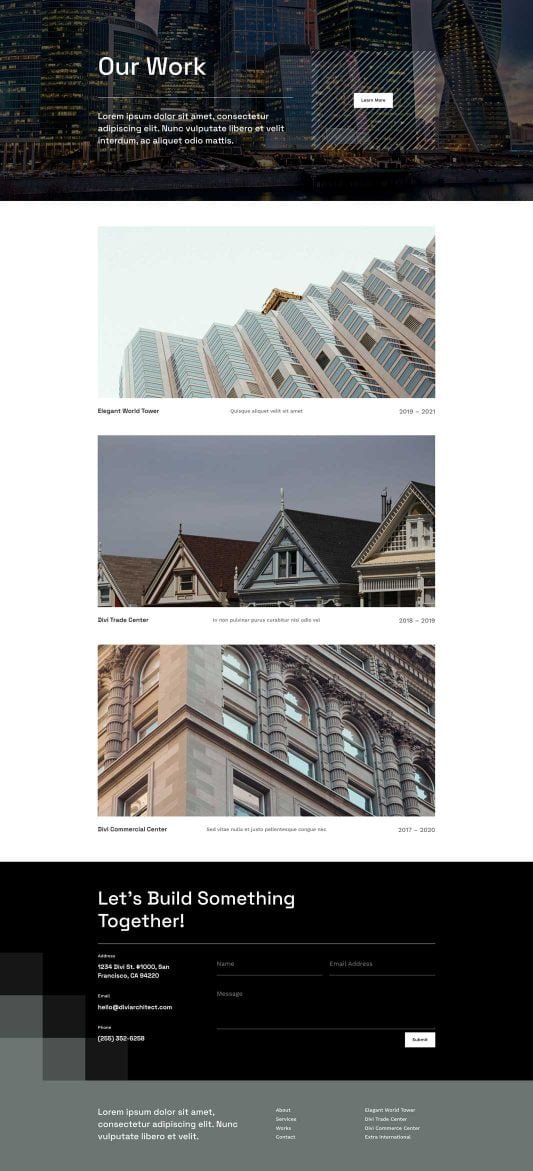
What Is the Best Way to Optimize My Project Portfolio Filters for Maximum SEO Impact?
Our SEO pros will elevate your Google presence, landing you top spots for queries like “sustainable architect Melbourne” or “renovation specialist Perth.” No more fading into the background—unlock organic traffic from Canberra’s modernist buffs or the Gold Coast’s beachfront dreamers!
We’ll jazz up your social media with a creative flair on Instagram and Facebook: eye-catching renders, behind-the-scenes builds, and tips on green architecture that ignite shares and connections. It’s your chance to shine as the go-to creative force in spots like Hobart’s historic enclaves or Darwin’s tropical outposts.
Need swift project leads? Our Google Ads and Facebook Ads are architect-tuned, pinpointing Aussie developers and homeowners with clever, cost-effective campaigns that boost consultations and trim the chase—ideal for architecture hotspots in Sydney and Melbourne.
We’re your upbeat collaborators in elevation, focused on results that let you pour passion into every line and curve. Keen for a laid-back brainstorm over virtual flat whites? Head to our website—let’s blueprint your firm’s stellar rise together!