
Table of Contents
As a bagel shop owner in Melbourne, you’re constantly juggling retail sales from walk-in customers craving fresh bagels and cream cheese, alongside lucrative catering orders for events, offices, and parties. But how do you know which marketing channel delivers the best return? Enter Cost Per Lead (CPL) analysis, particularly comparing catering versus retail orders. This essential metric helps you measure the efficiency of your digital ad spend, ensuring every dollar works harder to grow your business. In this guide, we’ll break down how to analyze CPL step by step, empowering you to make data-driven decisions that boost profitability.
Understanding CPL is the foundation of effective marketing optimization. CPL represents the total cost of generating a single lead divided by the number of leads acquired. For bagel shops like yours, leads might include website inquiries for catering quotes or foot traffic tracked via promo codes for retail purchases. By dissecting CPL across these streams, you reveal insights into customer acquisition costs, campaign performance, and channel effectiveness. At PKRank, our Melbourne-based digital marketing experts specialize in tailoring such analyses for local food businesses, helping bagel shops like The Bagel House or Perfect Bagels scale sustainably.
What is Cost Per Lead
CPL is a key performance indicator (KPI) in digital marketing, calculated as Total Ad Spend divided by Number of Leads. Simple yet powerful, it spotlights inefficiencies. For instance, a Google Ads campaign targeting “Melbourne bagel catering” might yield high-intent leads, while Facebook Ads for “fresh bagels near me” drive retail impulse buys. Without CPL breakdowns, you risk overspending on underperforming tactics.
Transitioning to bagel-specific applications, catering leads often involve larger order values—think platters for 50 people at corporate events—whereas retail focuses on daily transactions. Analyzing CPL comparatively highlights where to allocate budget for maximum ROI. As Melbourne’s bagel scene thrives with competition from chains and independents, precise tracking becomes your competitive edge.
Why Compare Catering vs Retail Orders
Catering and retail leads differ fundamentally. Catering prospects seek bulk solutions, often researched in advance, making them ideal for SEO and email nurturing. Retail leads thrive on immediacy, responding to Instagram stories or Google Local ads. Comparing CPL reveals allocation biases; for example, if catering CPL is $25 but retail is $10, yet catering lifetime value is 10x higher, rebalancing spend could skyrocket revenue.
Moreover, seasonal factors influence this. Melbourne’s event calendar—festivals, footy season—spikes catering demand, while retail peaks with morning rushes. Neglecting CPL analysis leaves untapped potential. PKRank clients in the bagel niche have slashed CPL by 40% through such comparisons, reallocating to high-value catering funnels.
Steps to Calculate and Analyze CPL
Begin by defining leads clearly: a catering lead is a quote request form submission; retail, an in-store promo redemption. Accurate attribution is crucial—use UTM parameters for organic/paid traffic and tools like Google Analytics or Facebook Pixel.
- Track Total Spend: Aggregate costs from platforms like Google Ads, Facebook, and even influencer partnerships over a set period, say monthly.
- Count Leads: Use CRM like HubSpot or Google Sheets to log qualified leads per channel, segmented by catering/retail.
- Compute CPL: Divide spend by leads (e.g., $5,000 spend / 200 leads = $25 CPL).
- Segment Data: Create separate CPLs for catering and retail.
- Benchmark: Compare against industry averages—food CPL hovers at $20-50.
- Forecast ROI: Multiply CPL by average order value and conversion rate.
Following these steps ensures robust analysis. Next, visualize data for clarity, which leads us to practical tools and examples.
Gathering and Organizing Data
Data integrity drives reliable CPL. Integrate ad platforms with your website via pixels, capturing form fills and calls. For bagel shops, tag catering pages (e.g., /catering-menu) differently from retail (/menu). Tools like Google Tag Manager streamline this.
Melbourne’s privacy laws (aligning with GDPR principles) require consent for tracking, so prioritize first-party data. Export reports weekly, cleaning duplicates. Over time, cohort analysis shows lead quality—Catering leads close at 30% vs. retail’s 15%, justifying higher CPL tolerance.
As you compile data, patterns emerge. High CPL in retail? Optimize geotargeting to 5km radii around your shop. Catering CPL soaring? Refine keywords like “bagel platters Melbourne CBD.”
Sample CPL Comparison Table
To illustrate, consider this table based on a hypothetical Melbourne bagel shop’s Q1 data. It contrasts Facebook Ads, Google Ads, and SEO across catering and retail.
| Channel | Catering Spend | Catering Leads | Catering CPL | Retail Spend | Retail Leads | Retail CPL |
|---|---|---|---|---|---|---|
| Facebook Ads | $2,000 | 80 | $25 | $3,000 | 400 | $7.50 |
| Google Ads | $4,000 | 100 | $40 | $1,500 | 120 | $12.50 |
| SEO | $500 | 50 | $10 | $500 | 200 | $2.50 |
| Total | $6,500 | 230 | $28.26 | $5,000 | 720 | $6.94 |
This table shows SEO dominates efficiency, while Google excels for catering intent. Use it as a template in Excel for your shop.
Interpreting Results and Optimization
With data in hand, interpret holistically. Low retail CPL signals volume strength; high catering CPL? It’s often worth it due to $500+ orders. Calculate Customer Lifetime Value (CLV): if catering CLV is $2,000 at 5% CPL/CLV ratio, it’s stellar.
Optimize iteratively: pause high-CPL campaigns, A/B test creatives (bagel platters vs. single bagels), and retarget abandoners. PKRank’s audits for Melbourne bageleries often uncover 20-30% savings here.
Advanced tactics include lookalike audiences from top leads and landing page tweaks for conversion boosts. Regularly review to adapt to algorithm changes.
In conclusion, mastering CPL analysis for catering versus retail orders transforms your bagel shop’s marketing from guesswork to precision. Start with the steps outlined, leverage the table for benchmarks, and watch leads—and revenue—flourish. For personalized strategies tailored to Melbourne’s vibrant food scene, connect with PKRank today. Your path to dominant bagel market share begins with data.
Empower Your Bagel Shop with PKRank’s Tailored Digital Solutions
Hey there, dough dynamo! Whipping up chewy bagels and fresh schmears in Australia’s vibrant foodie scene is a delight, but luring in those hungry crowds? That’s the real rise-and-shine challenge.
At PKRank, we’re all about sprinkling digital marketing magic that’s fun, fuss-free, and flavor-packed for bagel bosses like you—whether you’re toasting classics in Sydney’s multicultural markets, innovating flavors in Melbourne’s cafe crawl, or slinging stacks in Brisbane’s brunch hotspots.
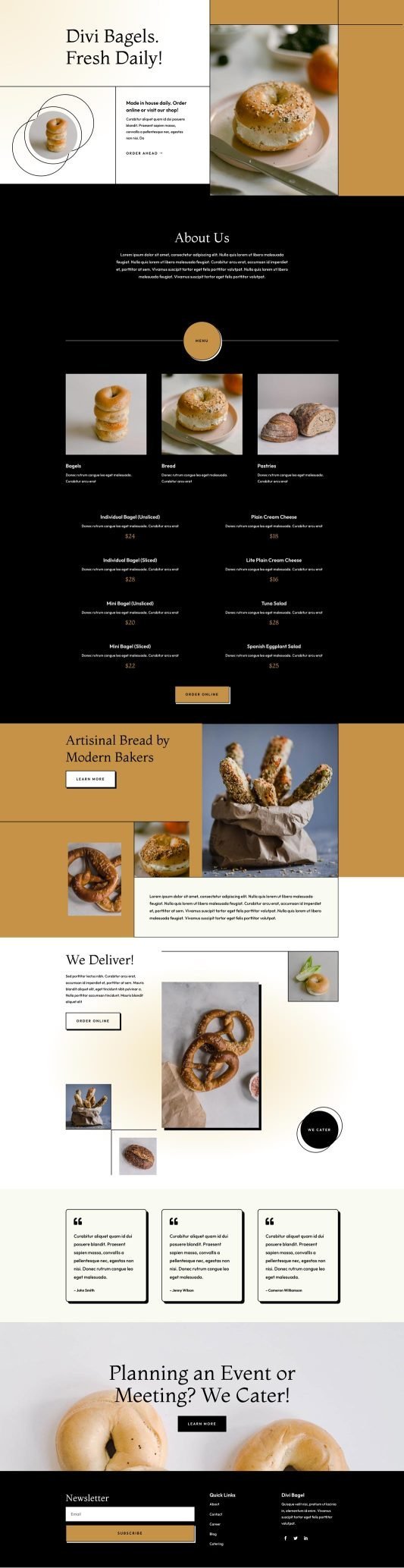
Picture a deliciously designed website baked fresh for your shop, with mouthwatering photo menus of everything bagels, lox-loaded beauties, or vegan twists, plus online ordering and loyalty perks. We’ll keep it crumb-free and mobile-munchable, so foodies from Perth’s fusion eateries to Adelaide’s artisan alleys can grab a bite virtually anytime.
Bagel Shop Website Demo
How Do I Analyze the Cost Per Lead (CPL) for Catering vs. Retail Orders?
Our SEO bakers will knead your Google spot to the top, ensuring you’re the first crave for “best bagels Melbourne” or “bagel delivery Perth.” No more getting buried in the bread aisle—pull in organic foot traffic from Canberra’s coffee chasers or the Gold Coast’s surf-and-smear seekers!
We’ll glaze your social media with tasty vibes on Instagram and Facebook: steamy fresh-out-of-the-oven shots, pairing polls, and customer cream-cheese confessions that spread like wildfire. It’s your way to become the neighborhood nibble in areas from Hobart’s harbor hangs to Darwin’s tropical treats.
Craving quicker queues? Our Google Ads and Facebook Ads are precisely portioned, targeting Aussie appetite alerts with budget-bite setups that boost orders and nix the no-shows—tailor-made for bagel buzz in Sydney and Melbourne.
We’re your sweet sidekicks in sales, all about results that let you focus on the perfect boil. Up for a chat over virtual bagels? Swing by our website—let’s dough this and turn your shop into a breakfast blockbuster together!