

Table of Contents
In the vibrant culinary landscape of Australia, competition among restaurants is fierce. To stand out and attract a steady stream of diners, more than just exceptional food and service is required. In today’s digitally driven world, a robust online presence is paramount, and at the heart of a strong online presence lies effective search engine optimization (SEO). As PKRank, a digital marketing firm based in Melbourne, we understand the unique challenges and opportunities faced by the Australian restaurant industry. We’re dedicated to helping bistros and eateries thrive online, and a critical component of that success is strategic link building. This article will delve into the most effective link building strategies specifically tailored for Australian restaurants, providing actionable insights to help you climb the search engine ranks and attract more customers.
Why Link Building Matters for Australian Restaurants
Before we dive into specific strategies, it’s essential to understand why link building is so crucial for your restaurant’s online visibility. Think of backlinks as votes of confidence from other websites to yours. Search engines like Google interpret these votes as endorsements of your website’s authority, trustworthiness, and relevance. For an Australian restaurant, this translates directly into higher rankings in local search results, meaning potential customers searching for “best Italian restaurant Melbourne” or “cafes near me Sydney” are more likely to find you.
Beyond improving search engine rankings, a well-executed link building strategy can drive direct traffic to your website. When reputable food blogs, local news sites, or community directories link to your establishment, they expose your business to new audiences who may not have discovered you otherwise. Furthermore, quality backlinks signal to search engines that your restaurant is a legitimate and valuable resource, enhancing your overall online authority and credibility. In short, link building is not just a technical SEO task; it’s a powerful tool for customer acquisition and brand building.
Understanding Your Target Audience and Local SEO
The cornerstone of any successful digital marketing strategy, including link building, is a deep understanding of your target audience. For an Australian restaurant, this involves identifying who your ideal customer is. Are you a family-friendly eatery, a fine-dining establishment, a casual cafe, or a bustling pub? Understanding their demographics, interests, and online behaviour will inform your link building efforts, ensuring you target relevant platforms and publications.
Local SEO is particularly critical for restaurants. When people search for dining options, they’re often looking for places nearby. This means optimizing for location-specific keywords and ensuring your business appears in local search results. Link building plays a significant role here. By acquiring backlinks from local directories, community websites, and influential local bloggers, you signal to search engines that your restaurant is a prominent part of the local dining scene. This proximity factor is a powerful motivator for potential diners, and strong local SEO driven by strategic link building can be a game-changer.
Leveraging Local Directories and Citations
One of the most fundamental and effective link building strategies for Australian restaurants is to ensure a strong presence in local directories and citation sites. Citations are mentions of your business name, address, and phone number (NAP) on other websites. While not always direct backlinks, consistent and accurate citations across reputable platforms are a vital signal to search engines about your business’s legitimacy and local relevance.
Start with the major players. Ensure your restaurant is listed on Google Business Profile (formerly Google My Business). This is non-negotiable for any local business. Keep your profile updated with accurate information, high-quality photos, opening hours, and your menu. Actively encourage customer reviews on this platform; positive reviews significantly impact local search rankings.
Beyond Google, consider other key Australian directories. These include:
- Yellow Pages Australia
- White Pages Australia
- TrueLocal
- Local online newspapers and community portals
- Industry-specific directories (e.g., for vegan restaurants, gluten-free options, etc.)
When submitting your restaurant to these directories, ensure your NAP information is identical across all platforms. Inconsistencies can confuse search engines and harm your local SEO efforts. Regularly audit your listings to ensure accuracy and remove any duplicate or outdated entries. Each of these listings, especially those that include a direct link back to your website, acts as a valuable citation and a potential backlink, reinforcing your online authority within your local area.
Creating Shareable and Link-Worthy Content
In the digital age, content is king, and for restaurants, this means creating content that is not only informative but also engaging and shareable. While the focus is on link building, the foundation of attracting those links often lies in the quality of the content you produce on your own website.
Think about what your target audience would find interesting or useful. This could include:
- Mouth-watering recipes: Share simplified versions of your signature dishes, or recipes that complement your cuisine.
- Culinary guides and tips: Offer advice on wine pairings, cooking techniques, or how to host the perfect dinner party.
- Behind-the-scenes stories: Showcase your chefs, your suppliers, or the history of your restaurant.
- Local dining guides: Curate lists of “best brunch spots in [your suburb],” “hidden gem cafes in Melbourne,” or “family-friendly restaurants in Sydney.”
- Event highlights: If you host special events, create blog posts or photo essays about them.
High-quality, visually appealing content is crucial. Invest in professional food photography and videography. A well-written blog post about the origin of a specific ingredient, accompanied by stunning images, is far more likely to be shared and linked to than a generic description of your menu.
The key is to create content that provides value beyond simply promoting your menu. When other websites, food bloggers, or local publications find your content informative, inspiring, or unique, they will be more inclined to link to it as a resource. This organic link generation is incredibly valuable.
Collaborating with Local Food Bloggers and Influencers
Australia boasts a thriving community of food bloggers, Instagrammers, and culinary influencers, many of whom have dedicated and engaged local followings. Partnering with these individuals can be an exceptionally effective link building strategy for your restaurant.
Identify influential figures in your local dining scene whose audience aligns with your target demographic. Look for bloggers who consistently review restaurants in your area, have a strong engagement rate with their followers, and whose content style complements your brand. When reaching out, be professional and personalized. Instead of a generic email, reference specific posts of theirs you admire and explain why you believe a collaboration would be mutually beneficial.
Possible collaboration ideas include:
- Inviting them for a complimentary meal: In exchange for honest feedback and potential coverage (a review, social media posts, or a blog mention).
- Guest blogging: Offer to write a guest post for their blog on a relevant topic (e.g., “The Art of Pasta Making,” “Pairing Australian Wines with Seafood”).
- Hosting a joint event: Organize a tasting menu night or a cooking class in collaboration with an influencer.
- Providing exclusive content: Offer them unique insights or early access to new menu items for them to share with their audience.
When a blogger writes about your restaurant and links to your website in their post or on their social media descriptions, this not only drives traffic but also provides a valuable backlink from a trusted source. Remember to foster genuine relationships; these collaborations can lead to ongoing partnerships and sustained promotion.
Engaging with Local Media and Publications
The reach of local newspapers, magazines, and online news portals in Australia is still significant, especially for community-focused businesses like restaurants. Securing coverage in these publications can provide valuable backlinks and enhance your restaurant’s credibility.
Develop relationships with local journalists and editors who cover food, lifestyle, or business. Think about what makes your restaurant newsworthy. Do you have a unique story to tell? Are you launching a new menu or concept? Are you involved in community initiatives or charitable events? These are all potential angles for media coverage.
Here’s how to approach this strategy:
- Craft compelling press releases: When you have something significant to announce, write a well-structured press release and distribute it to relevant media contacts.
- Offer expert commentary: Position yourself or your head chef as an expert on particular culinary topics. When relevant stories arise in the news, offer to provide insights or quotes.
- Pitch unique story ideas: Don’t just rely on announcements. Proactively pitch interesting stories about your restaurant, its history, its chefs, or its contribution to the local food scene.
- Sponsor local events: Local events often have associated websites or media partners that might feature or link to sponsors.
When a local publication features your restaurant, whether it’s a full review, a mention in a round-up, or a feature story, ensure they include a link back to your website. This provides a high-authority backlink and exposes your restaurant to a broad local audience.
Building Relationships with Complementary Businesses
Think beyond just food-related businesses. Australian restaurants can benefit immensely from building relationships with a wide array of complementary local businesses. These partnerships can lead to valuable cross-promotional opportunities, including backlinks.
Consider businesses that share a similar customer demographic but don’t directly compete with your restaurant. Examples include:
- Local wineries and breweries: If you feature their products, they might link to your menu or a specific promotion.
- Art galleries and theaters: Partner for pre- or post-show dining packages, and they might link to your reservation page.
- Boutique hotels and accommodation providers: Offer them special dining packages for their guests, and they can recommend and link to your restaurant.
- Local event planners and caterers: If you collaborate on events, they may include a link to your website on their portfolio.
- Tour operators: Especially those focusing on culinary tours or local experiences.
The key is to identify synergistic relationships. Offer mutual benefits. Perhaps your restaurant can offer a discount to patrons of a local art gallery, and in return, the gallery can feature your restaurant on their website or in their event guide. These collaborative backlinks are often from highly relevant local sources, making them particularly valuable for local SEO.
Encouraging User-Generated Content and Reviews
In today’s social media-driven world, user-generated content (UGC) and online reviews are incredibly powerful. While not direct link building in the traditional sense, they have a profound impact on your restaurant’s online visibility and can indirectly lead to backlinks.
Encourage your customers to share their dining experiences online. This can be done through:
- Stylish in-restaurant prompts: Display your social media handles and relevant hashtags on menus, table tents, or even on the wall.
- Running social media contests: Offer prizes for the best customer photos or reviews shared with your restaurant’s hashtag.
- Responding to reviews: Actively engage with reviews on platforms like Google, TripAdvisor, Zomato, and social media. Thank customers for positive feedback and address any concerns professionally.
When customers post glowing reviews or share attractive photos of your food and ambiance on their own social media profiles or blogs, this exposes your restaurant to their networks. If your restaurant is tagged or mentioned, it’s a form of online visibility. Furthermore, some popular review sites or travel blogs might aggregate positive reviews or user-submitted photos, effectively creating content that links back to your business.
While you don’t directly control these links, fostering a positive customer experience that naturally leads to sharing is a vital indirect link building strategy. Plus, strong online reviews significantly boost your local search rankings, which is a primary goal for any Australian restaurant.
Optimizing Your Website for Link Acquisition
Before you even start actively pursuing backlinks, it is crucial that your restaurant’s website is well-optimized and ready to receive and showcase the traffic that comes from link building efforts. A clunky, slow, or unappealing website will negate the benefits of even the most strategic link acquisition.
Here are key website optimization points for your restaurant:
- Mobile-friendliness: The majority of diners will be searching for restaurants on their mobile devices. Your website must be fully responsive and easy to navigate on any screen size.
- Fast loading speed: Slow-loading websites frustrate users and can lead to high bounce rates. Optimize images, leverage browser caching, and ensure your hosting is reliable.
- Clear calls to action: Make it easy for visitors to book a table, view your menu, or contact you. Prominent “Book Now” buttons are essential.
- High-quality visuals: Invest in professional photography showcasing your food, interior, and atmosphere.
- Updated, accessible information: Ensure your opening hours, contact details, and location are easily found. Google Maps integration is a must.
- Engaging content: As discussed earlier, your website should be a hub of valuable and interesting content related to your restaurant and its cuisine.
A well-designed and user-friendly website makes it more likely that other websites will want to link to it, as it reflects positively on the linking site. It also ensures that when visitors arrive via a backlink, they have a positive experience and are more likely to convert into customers.
Creating an Award-Winning Digital Presence
The pursuit of awards and accolades, both industry-specific and local, can be a powerful, albeit indirect, link building strategy. Winning an award or being recognized by a reputable culinary body or publication often leads to organic media coverage and backlinks.
Encourage participation in relevant awards:
- Local business awards: Many Australian councils and chambers of commerce host annual business awards, often with categories for hospitality.
- Restaurant and dining awards: Look for prestigious national and regional awards like those from the Good Food Guide, James Beard Foundation (if applicable to your cuisine and scale), or AGFG.
- Food and drink specific awards: If you specialize in a particular cuisine or beverage, research awards within that niche.
When your restaurant is nominated for or wins an award, the awarding body will often feature you on their website, and the news is likely to be picked up by local media. This results in high-authority backlinks from trusted sources. Even being shortlisted can generate valuable press and links.
Beyond direct awards, consider participating in local food festivals and events. These events often have event websites that list participating vendors, providing another opportunity for a relevant link. The buzz and publicity generated by participation in such events can also lead to increased online mentions and user-generated content.
Utilizing Social Media for Link Building Amplification
While social media platforms themselves are largely ‘nofollowed,’ meaning they don’t pass direct SEO authority, they are invaluable tools for amplifying your content and driving traffic, which can indirectly lead to link building.
Here’s how to leverage social media:
- Share your content widely: Post links to your blog articles, new menu announcements, or special events across all your relevant social media channels (Facebook, Instagram, X, LinkedIn).
- Engage with followers: Respond to comments and messages promptly. Build a community around your brand.
- Run targeted ad campaigns: Promote your best content and offers to reach a wider, relevant audience.
- Link to your website in your bio: Ensure your social media profiles always link back to your restaurant’s website.
- Monitor social mentions: Use social listening tools to track mentions of your restaurant. If you find a positive mention that doesn’t link to you, you can politely reach out and ask if they would consider adding a link.
By increasing the visibility of your website’s content through social media, you raise the chances of it being discovered by bloggers, journalists, or other website owners who might then choose to link to it. It’s about creating ripples that can lead to significant link building opportunities.
Measuring and Adapting Your Link Building Efforts
Link building is not a set-it-and-forget-it strategy. It requires ongoing monitoring, analysis, and adaptation. To understand what’s working and where to focus your efforts, you need to track your progress.
Key metrics to monitor include:
- Number of backlinks: Track how many new backlinks your website is acquiring over time.
- Referring domains: Focus on the number of unique websites linking to yours, rather than just the total number of links.
- Domain authority (DA) of linking sites: Prioritize links from websites that have high authority and relevance.
- Anchor text diversity: Ensure the text used in backlinks varies and naturally includes relevant keywords.
- Traffic from backlinks: Use analytics tools to see how much direct traffic these backlinks are driving to your website.
- Search engine rankings: Monitor your keyword rankings, especially for local search terms.
Utilize tools like Google Analytics, Google Search Console, and SEO software (e.g., SEMrush, Ahrefs) to gather this data. Regularly review your link building performance. If a particular strategy isn’t yielding results, don’t be afraid to pivot. The digital landscape is constantly evolving, and your link building strategy should too. By staying informed and adaptable, you can ensure your efforts are always optimized for maximum impact.
Conclusion
For Australian restaurants, mastering link building is an indispensable element of a successful digital marketing strategy. It’s about building a robust online presence that attracts not just search engine attention, but more importantly, hungry customers. At PKRank, we understand that the culinary world demands creativity and passion, and we believe your digital marketing should reflect that. By implementing the strategies outlined in this article – from optimizing local citations and creating compelling content to fostering collaborations with local influencers and media – you can significantly enhance your restaurant’s online visibility and drive more diners through your doors.
Remember, link building is a marathon, not a sprint. It requires consistent effort, strategic thinking, and a commitment to building genuine relationships online. As you invest in these efforts, you’re not just earning backlinks; you’re building credibility, authority, and ultimately, a stronger, more sustainable business. We encourage you to embrace these strategies and watch your restaurant climb the ranks, both online and in the hearts of your customers. If you’re looking for expert guidance tailored to the Australian restaurant industry, the team at PKRank is here to help you navigate the complexities of digital marketing and achieve your business goals.
Empower Your Bistro with PKRank’s Tailored Digital Solutions
Hey there, flavor maestro! Curating cozy corners and crave-worthy plates in Australia’s lively dining scene is your art, but filling those seats night after night? Let’s savor the easy way.
At PKRank, we’re all about dishing out digital marketing that’s warm, welcoming, and wickedly effective for bistro owners like you—whether you’re simmering sauces in Sydney’s harborside haunts, plating fusion in Melbourne’s alley eateries, or firing up grills in Brisbane’s backyard bistros.
Imagine a charming, appetite-whetting website whipped up for your spot, with drool-worthy menus of rustic risottos, fresh seafood specials, or veggie delights, complete with reservation widgets and virtual tours. We’ll make it tablet-tempting and mobile-morsel-ready, so diners from Perth’s portside patios to Adelaide’s wine-country whims can reserve a table from afar.
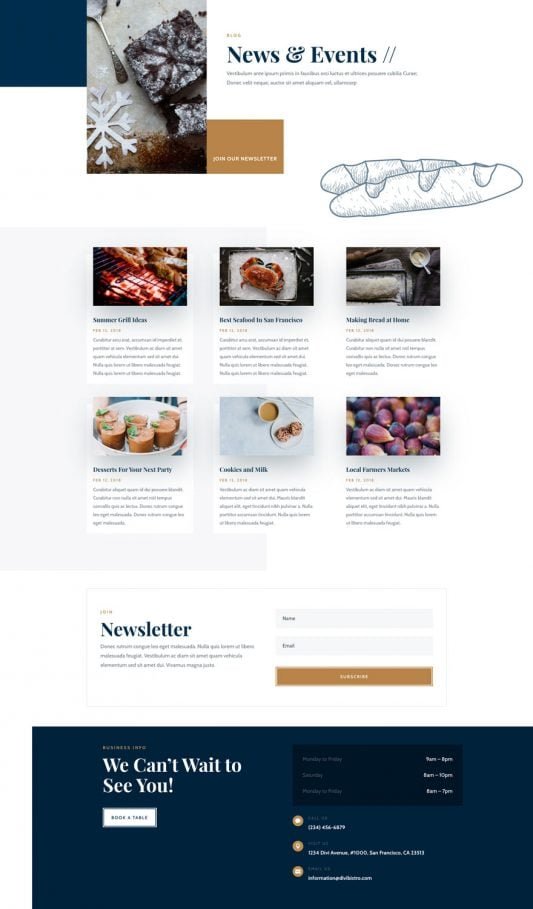
What Are the Best Link Building Strategies for an Australian Restaurant?
Our SEO chefs will spice up your Google ranking, claiming top table for searches like “romantic bistro Melbourne” or “casual dinner Perth.” Skip the side-dish obscurity and draw in organic crowds from Canberra’s cultured connoisseurs or the Gold Coast’s sunset suppers!
We’ll season your social media with savory stories on Instagram and Facebook: sizzling kitchen clips, wine-pairing whispers, and guest gratitude posts that tantalize timelines. It’s your recipe for becoming the local legend in scenes from Hobart’s waterfront wonders to Darwin’s dusk delights.
Hungry for hurried reservations? Our Google Ads and Facebook Ads are flavor-focused, luring Aussie food lovers with clever, calorie-conscious campaigns that pack the house and pare down the empty chairs—suited to sizzling bistro belts in Sydney and Melbourne.
We’re your tasty table-turners for triumph, all about results that let you master the menu. Craving a casual confab over virtual vino? Drop by our website—let’s cook up a feast of success for your bistro together!