

Table of Contents
“`html
In the vibrant and competitive culinary landscape of Melbourne, a seamless dining experience often begins long before a guest takes their first bite. For bistros, cafes, and restaurants, the initial point of contact with a potential diner is increasingly digital, and at the forefront of this digital interaction lies the online reservation form. For PKRank, a leading digital marketing firm in Melbourne dedicated to helping businesses thrive, understanding the intricacies of designing an online reservation form is paramount to attracting and converting more patrons for our valued clients in the bistro industry.
An online reservation form is more than just a digital booking sheet; it’s a critical touchpoint that shapes a customer’s perception of your establishment. A clunky, slow, or confusing form can lead to abandoned bookings, frustrated potential customers, and ultimately, lost revenue. Conversely, a well-designed, user-friendly, and remarkably fast form can act as a powerful conversion engine, streamlining the booking process and enhancing the overall customer journey. This article, penned from the perspective of PKRank, will delve deep into the art and science of designing an online reservation form for maximum speed and conversion, providing actionable insights specifically tailored for Melbourne’s dynamic bistro scene.
The Crucial Role of Online Reservations for Bistros
The modern diner expects convenience. They are accustomed to the immediacy of online transactions, from booking flights to ordering groceries. For a bistro, offering a seamless online reservation system is no longer a luxury but a necessity. It provides an accessible and efficient way for customers to secure a table at their preferred time, catering to their busy schedules and spontaneous dining decisions. For many, the online reservation process is the first tangible interaction they have with your brand.
A well-implemented online reservation system can significantly reduce the administrative burden on staff, freeing them up to focus on delivering exceptional service within the restaurant. It also offers valuable data collection opportunities, allowing bistros to understand peak booking times, popular days, and guest preferences, insights that are invaluable for operational efficiency and targeted marketing efforts. At PKRank, we recognize that in Melbourne’s competitive dining market, an optimized online reservation form is a powerful tool for differentiation and customer acquisition.
Understanding User Psychology and Conversion Funnels
To design for maximum speed and conversion, we must first understand the user’s mindset. When a potential customer lands on your reservation page, they are typically motivated by a desire to dine at your establishment. The reservation form is the gateway to fulfilling that desire. Any friction or delay in this process can lead to what is known as “drop-off” – the point at which a user abandons the form before completing their booking.
The conversion funnel for online reservations can be visualized as a series of steps a user takes from landing on the page to successfully confirming their booking. Each step represents an opportunity for conversion or abandonment. Too many fields, unclear instructions, slow loading times, or a complex interface can create bottlenecks in this funnel, leading to diminished conversion rates. Our goal at PKRank is to design a funnel that is as smooth, intuitive, and lightning-fast as possible, guiding users effortlessly towards a confirmed reservation.
Key Principles for Designing a High-Converting Reservation Form
At PKRank, we adhere to a set of core principles when advising our clients on designing effective online reservation forms. These principles are rooted in user experience (UX) best practices and a deep understanding of digital marketing conversion strategies.
Simplicity is Paramount
The most effective reservation forms are those that are uncluttered and straightforward. Avoid overwhelming users with too many fields or unnecessary information. Focus only on the essential details required to confirm a booking. This includes:
- Number of Guests: Clearly presented with easy-to-use selection options (e.g., dropdowns, radio buttons, or increment buttons).
- Date: A calendário picker is essential for intuitive date selection.
- Time: Available time slots should be clearly displayed, ideally disabling unavailable times.
- Name: For identification.
- Email Address: For confirmation and communication.
- Phone Number: For quick contact if needed.
Any additional fields, such as dietary restrictions or special requests, should be optional or placed in a secondary section to avoid immediate friction. The goal is to get to a confirmed booking as quickly as possible.
Speed and Performance Optimization
In the digital age, speed is a critical currency. A slow-loading reservation form is a surefire way to lose potential customers. Every second counts, and users have little patience for pages that take too long to load. This applies to both the initial page load and the submission process.
To ensure maximum speed, we recommend the following:
- Optimized Images: If your reservation page includes images (e.g., a picture of your bistro’s ambiance), ensure they are compressed and properly formatted without sacrificing quality.
- Efficient Code: Clean, well-written HTML, CSS, and JavaScript are crucial. Avoid unnecessary plugins or scripts that can slow down the page.
- Server Response Time: Ensure your web hosting is robust and provides fast server response times.
- Minimize HTTP Requests: Every file (image, script, stylesheet) requires an HTTP request. Consolidating files where possible can reduce the number of requests.
- Browser Caching: Implementing browser caching allows returning visitors to load your page faster by using locally stored files.
- Content Delivery Network (CDN): For businesses with a global or wide-reaching audience, a CDN can serve static content from servers geographically closer to the user, significantly reducing load times.
At PKRank, we meticulously audit the technical performance of our clients’ websites, including their reservation forms, to identify and resolve any speed-related bottlenecks.
Intuitive User Interface (UI) and User Experience (UX)
Beyond speed, the way a form looks and how it feels to interact with is paramount. A well-designed UI/UX creates a positive and effortless experience for the user.
- Clear Layout: Fields should be logically grouped and clearly labeled. The flow should be linear and easy to follow.
- Visual Hierarchy: Use typography, spacing, and color to guide the user’s eye and highlight important elements like call-to-action buttons.
- Mobile Responsiveness: This is non-negotiable. A significant portion of online reservations are made on mobile devices. The form must adapt seamlessly to different screen sizes, ensuring buttons are tappable and fields are easy to fill on a smartphone.
- Error Handling: If a user makes a mistake, the form should provide clear, concise, and helpful error messages, indicating exactly what needs to be corrected. Errors should be highlighted next to the relevant field.
- Inline Validation: As the user fills out a field, provide instant feedback (e.g., a green checkmark if valid, a red cross if invalid). This reinforces correct input and prevents errors from accumulating.
- Progress Indicators: For multi-step forms (if absolutely necessary), a clear progress indicator helps users understand how far they are in the process and what to expect next.
- Clear Call-to-Action (CTA): The ‘Book Now’ or ‘Submit’ button should be prominent, visually distinct, and use action-oriented language.
PKRank understands that a delightful user experience can significantly impact conversion rates. We focus on creating interfaces that are not only functional but also aesthetically pleasing and easy to navigate.
Minimizing the Number of Fields
As mentioned under ‘Simplicity,’ this is worth reiterating. Each extra field is a potential point of friction. Before adding a field, ask yourself: “Is this absolutely essential for booking right now?”
For example, while collecting a guest’s favorite dish might be valuable data for future marketing, it’s unlikely to be necessary for confirming a reservation instantly. This type of information can be gathered later through other touchpoints, like follow-up emails or in-person interactions.
Consider the “less is more” approach. If a bistro needs to gather more detailed information, it can be incorporated into the confirmation email or a subsequent communication.
Providing Real-Time Availability
Nothing is more frustrating than filling out a reservation form only to be told that the selected time slot is no longer available. Integrating your reservation system with your actual table management or booking software is crucial.
The form should dynamically display only available time slots based on current bookings and restaurant capacity. This transparency builds trust and prevents disappointment, ensuring that users are only attempting to book times that are genuinely available. This real-time feedback loop is a cornerstone of a high-converting reservation experience.
Social Proof and Trust Signals
In the digital realm, trust is a significant factor in decision-making. Incorporating elements of social proof can significantly boost confidence and encourage users to complete their reservations.
- Customer Testimonials: Short, impactful quotes from satisfied diners can be displayed near the reservation form.
- Ratings and Reviews: If your bistro has strong ratings on platforms like Google, Yelp, or TripAdvisor, showcase these prominently.
- Security Badges: If you are collecting any sensitive information (though unlikely for basic reservations), displaying security badges can reassure users.
- “As Seen In” Logos: If your bistro has been featured in reputable publications, displaying these logos can add credibility.
These elements reassure potential customers that they are making a sound decision and that your establishment is reputable.
Clear Confirmation and Next Steps
Once a reservation is successfully submitted, the user should immediately receive clear confirmation. This confirmation should include:
- Summary of the reservation details (date, time, number of guests).
- A unique booking reference number.
- What the user can expect next (e.g., “You will receive a confirmation email shortly,” or “We look forward to welcoming you”).
- Contact information for the bistro in case of any queries.
A well-crafted confirmation page sets the right tone and manages expectations, reinforcing the positive booking experience. The subsequent confirmation email serves as another crucial touchpoint, providing an opportunity to include further details like parking information, dress code, or a link to your menu.
Leveraging Technology for Speed and Conversion
The right technology stack can make a significant difference in the performance and conversion rates of your online reservation form. Here are some key considerations:
Choosing the Right Reservation System Platform
There are numerous reservation system platforms available, each with its own strengths and weaknesses. When selecting one, consider:
- Integration Capabilities: Does it integrate seamlessly with your website, POS system, and other necessary tools?
- Customization Options: Can you customize the look and feel to match your brand identity?
- Real-Time Availability Management: Does it offer robust features for managing table availability?
- Reporting and Analytics: Does it provide insights into booking trends and customer behavior?
- Mobile Friendliness: Is the system inherently designed for mobile use?
- Speed and Reliability: Does user feedback and independent reviews indicate good performance?
PKRank works with clients to evaluate and select the most suitable reservation platform that aligns with their specific needs and budget, ensuring it contributes positively to their digital marketing objectives.
Implementing a Fast Loading Booking Widget
Many platforms offer embeddable booking widgets that can be seamlessly integrated into your website. The performance of these widgets is critical. We advocate for widgets that are:
- Lightweight: Designed with minimal code that loads quickly.
- Asynchronous Loading: This allows other parts of your webpage to load independently, preventing the widget from blocking the entire page.
- Well-Maintained: Providers should regularly update their widgets for performance and security.
The objective is to create an experience where the booking form feels like a native part of your website, not a slow-loading third-party element.
A/B Testing and Continuous Optimization
The journey to maximum speed and conversion is not a destination but a continuous process of refinement. A/B testing (or split testing) allows us to compare different versions of your reservation form to see which performs best.
This could involve testing:
- The wording of your CTA button.
- The number and order of form fields.
- Different visual layouts.
- The presence or absence of social proof elements.
- The color scheme of form elements.
By presenting different versions of the form to different segments of your website visitors and analyzing the conversion rates, we can identify the most effective design choices. PKRank employs data-driven strategies to continuously optimize your reservation form, ensuring it evolves to meet changing user expectations and market trends.
Specific Considerations for Melbourne Bistros
Melbourne’s dining scene is renowned for its diversity, sophistication, and discerning clientele. This presents unique challenges and opportunities for bistros when designing their online reservation forms.
Catering to the Melbourne Demographic
Melbourne diners often appreciate efficiency, quality, and a touch of elegance. Your reservation form should reflect this. A minimalist, well-branded design that communicates professionalism and ease of use will resonate well. Avoid overly casual or cluttered designs that might detract from the perceived quality of your establishment.
Localised Information and Accessibility
Consider including practical information that is relevant to Melbourne diners. This might include:
- Clear directions or a link to Google Maps.
- Information on nearby parking or public transport options.
- Mention of any accessibility features for guests with disabilities.
This level of detail can remove potential barriers and make the booking decision easier.
Handling Peak Times and Special Events
Melbourne is a city that loves its events, from major sporting spectacles to intimate gallery openings. Your reservation system needs to be robust enough to handle increased demand during these periods. This might involve:
- Clearly communicating any special booking requirements or minimum spends during peak event times.
- Having a strategy for managing waitlists or allowing walk-ins when fully booked.
- Potentially offering different table sizes or booking windows for high-demand periods.
PKRank can help bistros implement dynamic pricing and booking strategies that adapt to these fluctuating demands, ensuring you capture as much business as possible.
Integrating with Local Search and Discoverability
For a Melbourne bistro to attract new clients, its online reservation form needs to be easily discoverable. This involves optimizing your website for local search engines (SEO). When potential customers search for “bistros in Fitzroy,” “Italian restaurants near me,” or “best brunch Melbourne,” your bistro should appear, and the reservation option should be prominent.
This includes:
- Ensuring your Google Business Profile listing is accurate and up-to-date, with a direct link to your online reservation system.
- Using relevant keywords throughout your website content, including on your reservation page.
- Building local citations and backlinks.
PKRank’s expertise in local SEO ensures that your bistro is visible to the right audience at the right time, driving traffic to your reservation system.
Common Pitfalls to Avoid
Even with the best intentions, certain common mistakes can derail the effectiveness of an online reservation form. PKRank advises our clients to be mindful of these:
Too Many Required Fields
As continually emphasized, mandatory fields beyond the absolute essentials are a major conversion killer. Users will abandon forms that feel like an interrogation rather than a simple booking process.
Confusing Navigation or Layout
If users can’t find the reservation form or struggle to understand how to interact with it, they will leave. Clear calls-to-action and intuitive design are vital.
Slow Loading Times
This cannot be overstated. If the page takes more than a few seconds to load, expect significant drop-off rates. Technical optimization is key.
Lack of Mobile Responsiveness
With the majority of internet traffic now coming from mobile devices, a non-responsive form is equivalent to not having an online reservation system at all for a large segment of your potential customer base.
Poor Error Handling
When errors occur, they should be easy to understand and correct. Vague error messages leave users frustrated and confused.
Inadequate Confirmation Process
Failing to provide clear and immediate confirmation, both on-screen and via email, can lead to uncertainty and a negative customer experience.
Lack of Integration with Availability Systems
Showing unavailable time slots or failing to update availability in real-time is a significant source of customer dissatisfaction.
Ignoring Analytics
Not tracking key metrics like conversion rates, bounce rates on the reservation page, and form abandonment points means you’re operating blind. Data is essential for improvement.
PKRank uses its analytical capabilities to identify these pitfalls and implement solutions that drive tangible results for our clients.
The PKRank Advantage for Melbourne Bistros
At PKRank, we don’t just build websites or manage social media; we craft integrated digital marketing strategies that drive real business outcomes. For Melbourne’s vibrant bistro industry, this means transforming online presence into booked tables and satisfied diners.
Our approach to designing online reservation forms for maximum speed and conversion is holistic:
- Data-Driven Design: We start by analyzing your current online performance and understanding your target audience.
- User-Centric Development: Every design decision is made with the end-user’s experience in mind, prioritizing speed, ease of use, and clarity.
- Technical Expertise: Our team has the technical acumen to optimize your website for lightning-fast loading speeds and seamless performance.
- Conversion Rate Optimization (CRO): We employ proven CRO techniques, including A/B testing, to continually refine your reservation form for optimal conversion rates.
- Local Focus: We understand the nuances of the Melbourne market and tailor our strategies to capture local diners effectively.
- Comprehensive Reporting: We provide clear, actionable reports on your reservation form’s performance, demonstrating the ROI of our efforts.
By partnering with PKRank, Melbourne bistros gain a strategic advantage, ensuring their online reservation system not only attracts inquiries but reliably converts them into loyal customers.
Conclusion
In the competitive digital landscape of Melbourne’s hospitality sector, the online reservation form is a powerful yet often overlooked tool for business growth. For bistros aiming to attract more clients and maximize their revenue, a focus on designing a form that prioritizes speed and conversion is non-negotiable. By adhering to principles of simplicity, technical optimization, intuitive UI/UX, and continuous refinement, bistros can create a seamless booking experience that delights customers and drives business success.
From understanding user psychology to leveraging the latest technology and being mindful of local market demands, every element plays a crucial role. At PKRank, we are passionate about helping Melbourne’s bistros harness the full potential of their online presence. By implementing the strategies outlined in this article, you can transform your online reservation form from a simple necessity into a powerful conversion engine, ensuring a steady stream of happy diners walking through your doors. Let PKRank be your partner in achieving digital marketing excellence and turning online clicks into real-world customers.
“`
Empower Your Bistro with PKRank’s Tailored Digital Solutions
Hey there, flavor maestro! Curating cozy corners and crave-worthy plates in Australia’s lively dining scene is your art, but filling those seats night after night? Let’s savor the easy way.
At PKRank, we’re all about dishing out digital marketing that’s warm, welcoming, and wickedly effective for bistro owners like you—whether you’re simmering sauces in Sydney’s harborside haunts, plating fusion in Melbourne’s alley eateries, or firing up grills in Brisbane’s backyard bistros.
Imagine a charming, appetite-whetting website whipped up for your spot, with drool-worthy menus of rustic risottos, fresh seafood specials, or veggie delights, complete with reservation widgets and virtual tours. We’ll make it tablet-tempting and mobile-morsel-ready, so diners from Perth’s portside patios to Adelaide’s wine-country whims can reserve a table from afar.
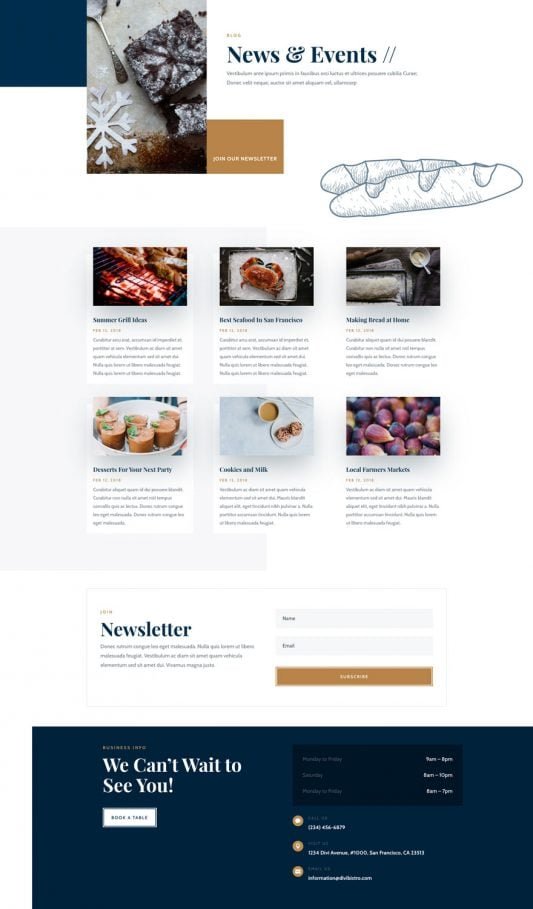
How to Design an Online Reservation Form for Maximum Speed and Conversion?
Our SEO chefs will spice up your Google ranking, claiming top table for searches like “romantic bistro Melbourne” or “casual dinner Perth.” Skip the side-dish obscurity and draw in organic crowds from Canberra’s cultured connoisseurs or the Gold Coast’s sunset suppers!
We’ll season your social media with savory stories on Instagram and Facebook: sizzling kitchen clips, wine-pairing whispers, and guest gratitude posts that tantalize timelines. It’s your recipe for becoming the local legend in scenes from Hobart’s waterfront wonders to Darwin’s dusk delights.
Hungry for hurried reservations? Our Google Ads and Facebook Ads are flavor-focused, luring Aussie food lovers with clever, calorie-conscious campaigns that pack the house and pare down the empty chairs—suited to sizzling bistro belts in Sydney and Melbourne.
We’re your tasty table-turners for triumph, all about results that let you master the menu. Craving a casual confab over virtual vino? Drop by our website—let’s cook up a feast of success for your bistro together!