

Table of Contents
What Common SEO Mistakes Are Australian Restaurants Making and How to Fix Them?
In the bustling culinary landscape of Australia, from the vibrant laneways of Melbourne to the sun-drenched coastlines of Queensland, restaurants are vying for diner attention. While a delicious menu, impeccable service, and a captivating ambiance are paramount, the digital realm plays an increasingly crucial role in attracting and retaining customers. For many Australian eateries, however, their online presence is falling short, hampered by common Search Engine Optimization (SEO) mistakes. At PKRank, your dedicated digital marketing firm based in Melbourne, we understand the unique challenges and opportunities within the hospitality sector. This article delves into the most prevalent SEO blunders Australian restaurants are making and provides actionable solutions to elevate their online visibility and, consequently, their customer base.
Ignoring Local SEO
Perhaps the most significant and widespread SEO mistake Australian restaurants commit is a lack of focus on local SEO. When a potential diner searches for “best pasta Melbourne,” “seafood restaurant Sydney,” or “brunch cafe Brisbane,” they are looking for options in their immediate vicinity. If your restaurant doesn’t appear prominently in these local search results, you are essentially invisible to a vast segment of your target audience. This often stems from a failure to properly optimize Google Business Profile (formerly Google My Business) listings.
A comprehensive and accurate Google Business Profile is the cornerstone of local SEO. This includes ensuring your business name, address, and phone number (NAP) are consistent across all online platforms. Inconsistent NAP information can confuse search engines and negatively impact your ranking. Furthermore, many restaurants overlook the importance of regularly updating their profile with high-quality photos of their food and ambiance, responding to customer reviews (both positive and negative), and utilizing the Q&A feature to address common queries.
The fix for this pervasive issue is relatively straightforward, yet requires consistent effort. First and foremost, claim and fully optimize your Google Business Profile. This means filling out every section completely and accurately. Upload enticing photos of your dishes, your interior, and any unique selling points. Encourage your satisfied customers to leave reviews and make it a habit to respond promptly and professionally to every single one. Engage with customer questions within your profile. Also, ensure your website is mobile-friendly and displays your NAP clearly on every page. Implement local schema markup on your website to help search engines understand your location and business type. Consider creating location-specific landing pages if you have multiple branches.
Poor User Experience on Websites
The restaurant website is your digital storefront. It’s often the first impression a potential customer has of your establishment. If your website is slow to load, difficult to navigate, not mobile-responsive, or outdated, diners will likely click away in frustration, opting for a competitor with a more user-friendly online experience. In today’s mobile-first world, a significant portion of searches for restaurants occur on smartphones. Therefore, a website that isn’t optimized for mobile devices is a guaranteed way to alienate a large chunk of your potential clientele.
Beyond mobile responsiveness, consider the overall user journey. Is it easy for a customer to find your menu, operating hours, contact information, and reservation system? Are the photos appealing and high-resolution? Is the text legible and well-formatted? A clunky or visually unappealing website signals a lack of attention to detail, which can unfortunately be translated to the dining experience itself.
The solution lies in prioritizing user experience (UX). Invest in a professional website design that is visually appealing, intuitive, and fast-loading. Ensure it is fully responsive, adapting seamlessly to any screen size. Clearly display your essential information – menu, hours, location, and contact details – in easily accessible locations. Use high-quality, mouth-watering images that accurately represent your cuisine. Implement a straightforward online reservation system if you offer one. Regularly test your website’s speed and usability on various devices. Consider the navigation. Can a user find what they need within a few clicks? Every element of your website should be designed with the customer’s ease and convenience in mind.
Neglecting Content Marketing
Many Australian restaurants treat their website as a static brochure, rarely updating its content. This is a missed opportunity for SEO growth. Search engines favor websites that are regularly updated with fresh, relevant, and engaging content. For restaurants, this means going beyond just listing your menu. Think about creating blog posts about the seasonal ingredients you use, the history behind some of your signature dishes, interviews with your chefs, or guides to local food events. This type of content not only appeals to search engines but also positions your restaurant as a knowledgeable and passionate authority in the culinary world.
Furthermore, content marketing allows you to target a wider range of keywords. Instead of just optimizing for “Italian restaurant Sydney,” you could create content around “best risotto Sydney,” “gluten-free pasta options Sydney,” or “romantic dinner spots Sydney.” This broadens your reach and attracts users at different stages of their dining decision-making process.
To rectify this, embrace content marketing. Start a blog on your website and commit to publishing regular posts. Think about what your target audience would find interesting and informative. Share recipes, cooking tips, behind-the-scenes glimpses of your kitchen, or spotlight local producers you work with. Create video content showcasing your chefs preparing dishes or highlighting your restaurant’s atmosphere. Develop downloadable guides, such as a “Guide to Pairing Wine with Seafood” or a “Vegetarian Dining Guide for Melbourne.” Share this content across your social media channels, linking back to your website to drive traffic and improve your SEO. By consistently providing valuable content, you demonstrate expertise and attract organic traffic.
Ignoring Online Reviews and Reputation Management
In the age of the internet, online reviews wield immense power. Platforms like TripAdvisor, Yelp, and Google Reviews are often the first places potential diners turn to when deciding where to eat. Ignoring these reviews, or worse, having a high number of negative ones without any response, can be detrimental to your restaurant’s reputation and its SEO performance. Search engines, particularly Google, consider the sentiment and volume of reviews as a ranking factor. A restaurant with consistently positive reviews is likely to rank higher than one with a significant number of negative or unaddressed feedback.
The mistake isn’t just having a few negative reviews; it’s the lack of a strategy to manage them. Many restaurant owners are either too busy to check reviews or unsure how to respond effectively to constructive criticism or outright negativity.
The fix requires a proactive approach to online reputation management. Firstly, actively encourage your satisfied customers to leave reviews. Make it easy for them by providing QR codes that link directly to your review profiles or by including links in your email marketing. Secondly, monitor your review platforms regularly. Set up alerts so you are notified of new reviews. Respond to all reviews, both positive and negative. For positive reviews, thank the customer for their patronage. For negative reviews, acknowledge the customer’s experience, apologize sincerely (without making excuses), and offer to resolve the issue offline. This shows potential diners that you care about customer satisfaction and are committed to improving. Negative reviews, when handled professionally, can actually demonstrate your commitment to service recovery and build trust.
Lack of Mobile-First Design and Performance
As mentioned earlier, mobile is king. However, many Australian restaurants are still operating with websites that were designed for desktop computers, leading to a frustrating experience on smartphones and tablets. This isn’t just about resizing content; it’s about designing with the mobile user in mind. This includes large, tappable buttons, concise text, and easily navigable menus. Slow loading times on mobile devices are a major deterrent, and Google penalizes sites that perform poorly on mobile. The importance of mobile-first design cannot be overstated in the current digital landscape, especially for a business like a restaurant where spontaneous dining decisions are common.
The technical aspect of mobile performance is also critical. Image optimization, efficient code, and reliable hosting contribute to a faster loading experience. A website that takes more than a few seconds to load on a mobile device will likely see a high bounce rate, signaling to search engines that the site is not providing a good user experience.
The solution is to fully embrace a mobile-first design philosophy. This means prioritizing the mobile user experience from the very beginning of your website design and development. Ensure your website is built on a responsive framework that automatically adjusts to any screen size. Optimize all images for web use to reduce file sizes without sacrificing quality. Compress your code and leverage browser caching to speed up loading times. Regularly test your website’s mobile performance using tools like Google’s PageSpeed Insights and implement the recommendations provided. Consider implementing Accelerated Mobile Pages (AMP) for critical content like your menu and contact information to ensure lightning-fast loading on mobile devices.
Inconsistent NAP Information
NAP stands for Name, Address, and Phone Number. Inconsistent NAP information across various online directories, social media profiles, and your website is a major SEO killer, particularly for local search rankings. Search engines use these details to verify your business’s legitimacy and location. If they find conflicting information, it creates confusion and erodes trust, leading to a drop in your search rankings. For instance, if your Google Business Profile lists your phone number as 02 1234 5678, but your Facebook page has it as +61 2 1234 5678, or your website omits the area code, search engines may struggle to identify you as the same business.
This is a persistent problem because many restaurants might have had their details listed on various platforms over time without a centralized system for management. Old listings might remain, or staff might unintentionally enter slightly different variations.
The fix requires diligent attention to detail and a systematic approach to managing your online citations. Conduct a thorough audit of all your online listings, including Google Business Profile, Yelp, Yellow Pages, Zomato, social media platforms, and any industry-specific directories. Ensure your business name, address, and phone number are identical across all these platforms. If you find inconsistencies, update each listing to match your primary, authoritative listing (usually your website or Google Business Profile). Consider using a citation management tool to streamline this process and ensure ongoing accuracy. Regularly re-audit your listings, especially after any changes to your business details.
Poorly Optimized On-Page Elements
On-page SEO refers to the optimization of individual web pages to rank higher and earn more relevant traffic in search engines. This includes elements like title tags, meta descriptions, header tags, and image alt text. Many Australian restaurants overlook the importance of these elements, using generic or keyword-stuffed titles and descriptions that do little to attract clicks or inform search engines about the page’s content. For instance, a title tag simply reading “Restaurant” or a meta description that is too short or irrelevant will fail to capture the attention of potential diners in search results.
The header tags (H1, H2, H3, etc.) are crucial for structuring your content and making it understandable for both users and search engines. If these are not used correctly, your website’s content can appear disorganized and less authoritative. Similarly, image alt text provides a description of an image for visually impaired users and search engines. If omitted, you miss an opportunity to incorporate relevant keywords and improve accessibility.
The solution involves a strategic approach to on-page optimization. For each page on your website, craft unique and compelling title tags and meta descriptions that accurately reflect the content and include relevant keywords. For example, a title tag for your home page might be “Authentic Italian Cuisine Melbourne | [Your Restaurant Name]” and a meta description could be “Experience the finest Italian dining in Melbourne at [Your Restaurant Name]. Book your table for an unforgettable culinary journey.” Utilize header tags (H1, H2, H3) to break up your content logically. Your H1 tag should generally contain your primary keyword. Ensure all your images have descriptive alt text that includes relevant keywords, such as “Crispy wood-fired pizza at PKR Bistroteca Melbourne.” Regularly review and update your on-page elements to align with current SEO best practices and your business goals.
Lack of Mobile-Friendly Menu Display
The menu is a go-to resource for any diner contemplating a meal. However, many restaurants display their menus as PDF downloads. While convenient for printing, PDFs are often not mobile-friendly. They can be difficult to read on small screens, require zooming and panning, and are not easily searchable by users or search engines. This presents a significant hurdle for potential customers who are browsing on their phones.
The process of downloading and opening a PDF can be a point of friction that leads to users abandoning the decision to dine at your establishment. In an era where instant gratification is expected, a clunky menu display is a critical deterrent. Furthermore, search engines struggle to effectively crawl and index the content within PDFs, meaning this crucial information is often lost to search visibility.
The fix is to make your menu easily accessible and viewable on all devices. The best approach is to embed your menu directly into your website using HTML. This ensures it is responsive, searchable, and indexable by search engines. Make sure the typography is clear and legible, and consider breaking down your menu into logical sections. Include high-quality images of your most popular dishes to entice customers. If you must offer a PDF version, ensure it is optimized for web viewing and that a fully responsive HTML version is readily available and prominently linked. Integrate schema markup for your menu to further help search engines understand its content and display it more effectively in search results.
Not Leveraging Social Media for SEO
While social media platforms are not direct ranking factors in the traditional sense, they play a crucial role in your overall digital marketing strategy and indirectly influence SEO. Many Australian restaurants have a social media presence but fail to use it effectively to drive traffic to their website, build brand awareness, and engage with their audience. Simply posting occasional updates without a clear strategy is a wasted opportunity. By actively engaging on platforms like Instagram, Facebook, and TikTok, you can build a community, share your content, and encourage user-generated content, all of which can indirectly boost your SEO efforts.
The mistake lies in viewing social media as a separate entity from SEO, rather than an integrated component of a broader digital marketing plan. Without a strategy to leverage these platforms, restaurants are missing out on a significant avenue for brand exposure and customer interaction, both of which can have a positive ripple effect on their search engine rankings.
The solution is to integrate your social media strategy with your SEO efforts. Consistently share links to your blog posts, new menu items, and special offers on your social media channels. Encourage your followers to visit your website for more information. Use relevant hashtags to increase your reach. Engage with your followers by responding to comments and messages promptly. Run social media contests or campaigns that encourage user-generated content, such as photos of customers enjoying your food. This not only generates valuable content but also creates social signals that can indirectly benefit your SEO. Ensure your social media profiles are fully optimized with links back to your website and accurate business information.
Ignoring Keyword Research Specific to the Restaurant Industry
Many businesses, including restaurants, make the mistake of either not conducting keyword research at all or conducting it too broadly. They might optimize for generic terms like “food” or “dining,” which are far too competitive and unlikely to attract the right audience. Effective keyword research involves understanding what potential diners are actually searching for when looking for a restaurant like yours. This includes not only broad terms but also long-tail keywords (more specific phrases), location-specific keywords, and intent-based keywords.
For instance, someone searching “best pizza Sydney” is further down the purchase funnel than someone searching “Italian ingredients.” Understanding this intent allows for more targeted content creation and optimization, leading to higher-quality traffic. Without this granular understanding, restaurants are essentially casting a wide, ineffective net in the vast ocean of online searches.
The fix is to invest in thorough and ongoing keyword research tailored to the Australian restaurant industry. Identify the terms your target audience uses to find restaurants offering your specific cuisine, in your specific location. Tools like Google Keyword Planner, SEMrush, and Ahrefs can be invaluable. Look for long-tail keywords such as “vegan brunch Melbourne CBD,” “craft beer pub Fitzroy,” or “family-friendly restaurants Perth South.” Consider keywords related to specific occasions, such as “romantic restaurants Sydney for anniversary” or “corporate catering Melbourne.” Use these keywords strategically throughout your website content, title tags, meta descriptions, and blog posts. Regularly revisit your keyword strategy to adapt to evolving search trends and competitor activities.
Slow Website Loading Speeds
Website loading speed is a critical factor for both user experience and SEO. In Australia, where internet speeds can vary, a slow-loading website is a major turn-off for potential customers. If your website takes more than a few seconds to load, visitors are likely to become impatient and leave, heading to a competitor with a faster site. Search engines, including Google, penalize slow-loading websites by ranking them lower in search results. This is because Google prioritizes providing users with the best possible experience, and a slow website hinders that.
This issue often arises from unoptimized images, inefficient code, poor hosting, or an excessive number of plugins on platforms like WordPress. Many restaurant owners may not be aware of the technical aspects of website performance or may not have the expertise to address these issues effectively. The impact of a slow website is direct: lost traffic, reduced conversions, and a damaged brand perception.
The solution involves meticulous optimization of your website’s performance. Start by compressing all image files without sacrificing quality. Ensure your website’s code is clean and efficient. Choose a reputable hosting provider that offers fast loading speeds and adequate bandwidth for your website’s traffic. Regularly update your website’s themes and plugins, as these can sometimes cause performance issues. Utilize browser caching to store website data locally on users’ devices, allowing for faster loading on subsequent visits. Consider implementing a Content Delivery Network (CDN) to distribute your website’s content across multiple servers globally, reducing latency for users in different locations. Regularly test your website’s loading speed using tools like Google PageSpeed Insights and GTmetrix, and implement the recommended optimizations.
Lack of Schema Markup Implementation
Schema markup is a form of semantic vocabulary that you can add to your HTML to help search engines better understand the content of your web pages. For restaurants, implementing schema markup related to your business type, menu, reviews, opening hours, and location can significantly enhance your visibility in search results. This can lead to rich snippets – those enhanced search results that display additional information like star ratings, cooking times, or images – which can dramatically increase click-through rates.
Many Australian restaurants are unaware of, or fail to implement, schema markup. This means they are missing out on a powerful opportunity to differentiate themselves in search results and provide users with more immediate, valuable information. Without schema, your search listings might appear generic and less compelling compared to competitors who have taken the time to implement it.
The fix involves strategically adding schema markup to your website. For restaurants, invaluable schema types include: `Restaurant` (to specify your cuisine type, price range, address, etc.), `Menu` (to highlight your menu items and prices), `Review` (to display aggregate star ratings from review sites), and `LocalBusiness` (to provide detailed information about your business, including opening hours and contact details). You can use tools like Google’s Structured Data Markup Helper to generate the necessary code. Once implemented, test your schema markup using Google’s Rich Results Test to ensure it is correctly set up and eligible for rich results. By leveraging schema markup, you help search engines understand your restaurant better, leading to richer, more informative search listings that attract more relevant clicks.
Not Targeting Local Keywords Effectively
While mentioning local SEO earlier, it’s worth emphasizing the specific aspect of keyword targeting. Simply having “Melbourne” in your website content isn’t enough. Effective local keyword targeting involves understanding the nuances of how locals search for dining experiences. This might include specific suburbs, landmarks, or even colloquialisms related to food within a particular city or region. For example, a cafe in the Melbourne CBD might target keywords like “best coffee Melbourne CBD” or “breakfast near Flinders Street Station,” rather than just “cafe Melbourne.”
The mistake here is a broad, often lazy approach to keyword selection. Many restaurateurs assume that general keywords will suffice, overlooking the immense value in hyper-local targeting, which can attract highly qualified leads who are actively looking for what they offer in their immediate vicinity. This leads to wasted advertising spend and missed opportunities.
The solution is to conduct in-depth local keyword research. Beyond just city names, explore commonly used suburb names, popular precincts, and even phrases that locals might use within your city. For instance, “The Valley” for Brisbane’s Fortitude Valley, or “the Shire” for Sydney’s Sutherland Shire. Identify keywords related to local events or attractions that might drive foot traffic to your restaurant. Integrate these hyper-local keywords naturally into your website’s content, page titles, meta descriptions, and blog posts. Create dedicated landing pages for specific suburbs or neighborhoods you want to target. For example, a “Best Italian Restaurant in Carlton” page. Ensure your Google Business Profile is optimized with relevant local keywords in its description.
Conclusion
In the competitive Australian restaurant industry, a strong online presence is no longer a luxury; it’s a necessity. The digital landscape is constantly evolving, and staying ahead requires a proactive and informed approach to SEO. Many Australian restaurants are inadvertently hindering their own growth by making common SEO mistakes, ranging from neglecting local optimization to poor website user experience and a lack of engaging content. At PKRank, we understand the unique challenges and immense potential of the hospitality sector. By addressing these prevalent SEO errors with the solutions outlined above, your restaurant can significantly improve its online visibility, attract more diners, and ultimately, drive greater success. Investing in your digital strategy is investing in the future of your business. Embrace these changes, and watch your restaurant thrive both online and off.
Empower Your Bistro with PKRank’s Tailored Digital Solutions
Hey there, flavor maestro! Curating cozy corners and crave-worthy plates in Australia’s lively dining scene is your art, but filling those seats night after night? Let’s savor the easy way.
At PKRank, we’re all about dishing out digital marketing that’s warm, welcoming, and wickedly effective for bistro owners like you—whether you’re simmering sauces in Sydney’s harborside haunts, plating fusion in Melbourne’s alley eateries, or firing up grills in Brisbane’s backyard bistros.
Imagine a charming, appetite-whetting website whipped up for your spot, with drool-worthy menus of rustic risottos, fresh seafood specials, or veggie delights, complete with reservation widgets and virtual tours. We’ll make it tablet-tempting and mobile-morsel-ready, so diners from Perth’s portside patios to Adelaide’s wine-country whims can reserve a table from afar.
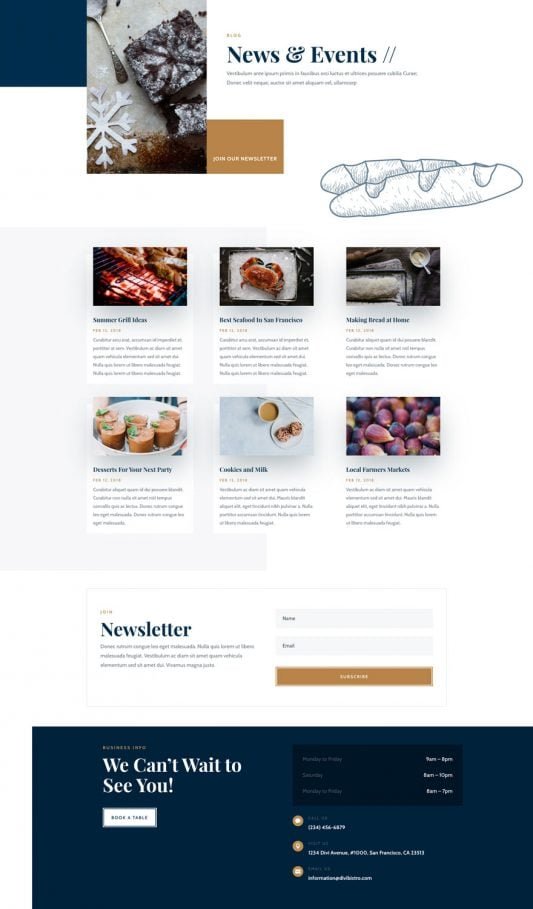
What Common SEO Mistakes Are Australian Restaurants Making and How to Fix Them?
Our SEO chefs will spice up your Google ranking, claiming top table for searches like “romantic bistro Melbourne” or “casual dinner Perth.” Skip the side-dish obscurity and draw in organic crowds from Canberra’s cultured connoisseurs or the Gold Coast’s sunset suppers!
We’ll season your social media with savory stories on Instagram and Facebook: sizzling kitchen clips, wine-pairing whispers, and guest gratitude posts that tantalize timelines. It’s your recipe for becoming the local legend in scenes from Hobart’s waterfront wonders to Darwin’s dusk delights.
Hungry for hurried reservations? Our Google Ads and Facebook Ads are flavor-focused, luring Aussie food lovers with clever, calorie-conscious campaigns that pack the house and pare down the empty chairs—suited to sizzling bistro belts in Sydney and Melbourne.
We’re your tasty table-turners for triumph, all about results that let you master the menu. Craving a casual confab over virtual vino? Drop by our website—let’s cook up a feast of success for your bistro together!