
Table of Contents
Unlocking the True Value of Your Instagram Ads for Melbourne Bistros
In the vibrant and competitive culinary landscape of Melbourne, bistros are constantly seeking innovative ways to attract new diners and retain loyal patrons. Social media, particularly Instagram, has emerged as a powerful platform for reaching local audiences. However, simply running Instagram ad campaigns is not enough; understanding their true return on investment (ROI) is crucial for optimizing spending and maximizing growth. At PKRank, your trusted digital marketing partner based right here in Melbourne, we understand the unique challenges and opportunities faced by local businesses. This comprehensive guide will delve deep into how you can accurately measure the ROI of your local Instagram ad campaigns, ensuring your marketing budget is working as hard as your kitchen staff.
Many bistro owners might be tempted to look at vanity metrics like likes and followers as indicators of success. While these can contribute to brand awareness, they don’t directly translate into paying customers walking through your doors. For a local business, the ultimate goal is to drive tangible results: increased bookings, higher foot traffic, and ultimately, greater revenue. Measuring ROI allows you to move beyond guesswork and make data-driven decisions that propel your bistro forward. This article will provide a step-by-step approach, equipping you with the knowledge and tools to understand what’s working, what’s not, and how to refine your strategy for optimal performance.
We understand that navigating the world of digital marketing metrics can seem daunting, especially when you’re already managing the day-to-day operations of a busy bistro. Our aim at PKRank is to demystify this process for you. By the end of this article, you’ll have a clear understanding of the key performance indicators (KPIs) that matter, how to track them effectively, and actionable strategies to improve your Instagram ad ROI. Let’s begin by establishing a foundational understanding of what ROI truly means in the context of local advertising.
Defining ROI For Your Melbourne Bistro’s Instagram Ads
Return on Investment (ROI) is a fundamental financial metric used to evaluate the profitability of an investment. In the context of your Melbourne bistro’s Instagram ad campaigns, ROI quantifies the revenue generated directly or indirectly by those ads, relative to the cost of running them. It’s a simple yet powerful formula:
ROI = [(Revenue Generated by Instagram Ads – Cost of Instagram Ads) / Cost of Instagram Ads] * 100%
For a local bistro, this definition needs a crucial layer of specificity. The “revenue generated by Instagram Ads” is where the complexity often lies. Unlike e-commerce businesses that can directly track online sales from ads, a physical establishment like a bistro relies on a more nuanced approach. A diner might see your ad on Instagram, then visit your website to check the menu, and later call to make a reservation or simply walk in. Attributing this entire customer journey to a single Instagram ad can be challenging but is precisely where effective measurement becomes paramount.
Furthermore, it’s essential to distinguish between direct and indirect returns. Direct returns are easily quantifiable: a diner clicks on your ad and immediately books a table through a link provided. Indirect returns are more subtle but equally valuable: increased brand awareness leading to more word-of-mouth referrals, a stronger social media following that translates into future customer loyalty, or drive-by traffic from people who saw your ad earlier. Accurately measuring both types of returns will give you a holistic view of your Instagram ad performance and its contribution to your bistro’s overall success.
At PKRank, we advocate for a pragmatic approach to ROI calculation. We believe that while precise attribution can be complex, it is achievable with the right tools and strategies. This guide will break down these strategies, ensuring you can confidently assess the profitability of your Instagram ad spend and make informed decisions to grow your Melbourne bistro.
Key Performance Indicators KPIs for Bistro Instagram Ads
To accurately measure the ROI of your local Instagram ad campaigns, you need to identify and track the right Key Performance Indicators (KPIs). These are the specific metrics that provide insight into how your ads are performing against your business objectives. For a Melbourne bistro targeting local customers, these KPIs will differ slightly from a global brand. Let’s explore the most crucial ones:
Reach and Impressions
Reach refers to the total number of unique users who saw your ad. Impressions represent the total number of times your ad was displayed. While not direct ROI metrics, they are foundational. High reach means your ad is being seen by a broad local audience. High impressions, particularly with a relevant audience, indicate your ad is being served frequently within that audience. For a local bistro, you want to ensure your reach is concentrated within your geographical target area in Melbourne and its surrounding suburbs.
Engagement Metrics
Engagement encompasses actions users take on your ads, such as likes, comments, shares, saves, and clicks.
Likes indicate basic interest.
Comments provide more in-depth engagement and can be a source of valuable feedback or questions that can be addressed directly, potentially leading to a conversion.
Shares suggest that users found your content so valuable or appealing they wanted to share it with their own network, acting as organic promotion.
Saves are particularly important for bistros. When someone saves your ad, it often means they intend to revisit it later when they are thinking about dining out. This indicates a high level of intent.
Clicks are perhaps the most direct indicator of interest beyond just viewing the ad. These can be clicks on your website link, your profile, or a call-to-action button like “Book Now” or “Get Directions.”
Click-Through Rate CTR
The Click-Through Rate (CTR) is the percentage of people who saw your ad and clicked on it. It’s calculated as:
CTR = (Total Clicks / Total Impressions) * 100%
A higher CTR generally indicates that your ad creative, copy, and targeting are resonating with your audience. For example, a compelling image of your signature dish or a tempting offer will likely drive more clicks.
Cost Per Click CPC
Cost Per Click (CPC) is the average amount you pay each time someone clicks on your ad. It’s calculated as:
CPC = Total Ad Spend / Total Clicks
Understanding your CPC helps you gauge the efficiency of your ad spend. A lower CPC means you’re acquiring clicks more cost-effectively. However, a very low CPC might also indicate a less engaged or relevant audience, so it’s essential to consider this alongside other metrics.
Website Traffic Metrics
Once users click on your ad, you want to track what happens on your website. Tools like Google Analytics are invaluable here.
Website Sessions/Visits: The number of visits to your website originating from your Instagram ads.
Bounce Rate: The percentage of visitors who leave your website after viewing only one page. A high bounce rate from Instagram ads might suggest your landing page isn’t meeting user expectations or isn’t relevant to the ad they clicked.
Pages Per Session: The average number of pages a user views during a single session. More pages viewed can indicate greater engagement with your offerings.
Session Duration: The average amount of time users spend on your website. A longer session duration suggests they are actively exploring your menu, offers, or booking system.
Conversion Metrics
These are the ultimate indicators of ROI, as they represent desired actions taken by users.
Bookings/Reservations: This is a primary conversion goal for most bistros. Tracking how many reservations are made directly through your website’s booking system (which should be linked from your ads) is crucial.
Phone Calls: If your ads include a “Call Now” button or your phone number is prominently displayed, track the number of calls generated.
Form Submissions: This could include contact forms, inquiry forms for private events, or newsletter sign-ups.
“Get Directions” Clicks: For local businesses, this metric is vital as it indicates a user’s intent to visit your physical location.
Online Orders: If your bistro offers online ordering for takeaway or delivery, track the number and value of these orders originating from Instagram ads.
Cost Per Acquisition CPA
Cost Per Acquisition (CPA) measures how much it costs you to acquire a customer who takes a specific desired action (a conversion). For example, if your goal is reservations, your CPA would be:
CPA (Reservation) = Total Instagram Ad Spend / Number of Reservations
A lower CPA indicates more efficient customer acquisition. This is a direct link to ROI, as it tells you how much you’re spending to get each new paying customer.
Customer Lifetime Value CLV
While harder to track directly from a single ad campaign, Customer Lifetime Value (CLV) is the total revenue a customer is expected to generate for your business over their entire relationship with you. If your Instagram ads attract customers who become regulars and have a high CLV, the ROI of those initial ad campaigns is significantly higher than if they only visit once. Understanding your average CLV can help you justify a higher CPA for customer acquisition.
At PKRank, we help Melbourne bistros set up robust tracking mechanisms for these KPIs. This involves leveraging Instagram’s built-in analytics, Google Analytics, and potentially specialised CRM or booking software. By focusing on these metrics, you can move beyond vanity figures and gain a clear understanding of what truly drives business success from your Instagram ad investments.
Setting Up Your Tracking Mechanisms
Accurate ROI measurement hinges on robust tracking. Without the right systems in place, you’re essentially flying blind. For your Melbourne bistro’s Instagram ad campaigns, this means integrating various tools to capture user behaviour from ad impression to conversion. PKRank prioritises this foundational step for all our clients.
Leveraging Instagram Ads Manager Insights
Instagram’s native Ads Manager is your primary source for campaign performance data. Ensure you are familiar with its various reports and dashboards. Key sections to monitor include:
Dashboard Overview: Provides a snapshot of your campaign’s performance, including reach, impressions, clicks, cost, and conversions (if set up).
Breakdowns: This feature allows you to view performance by demographics (age, gender, location), placements (Instagram Feed, Stories, Reels, Explore), and devices. For a local bistro, the location breakdown is particularly critical.
Metrics Options: Customise the columns you see in your reports to include all the aforementioned KPIs: CTR, CPC, CPA, etc.
Attribution Settings: Understand how Instagram attributes conversions to your ads. By default, it uses a 7-day click and 1-day view attribution window, but customisation is possible. For bistros, a shorter attribution window might be more appropriate for direct bookings.
Implementing Facebook Pixel and Conversion API
The Facebook Pixel (now often referred to as the Meta Pixel) is a piece of code you add to your website. It allows you to track user actions on your website that originate from your Facebook and Instagram ads. This is essential for measuring conversions like online bookings, enquiry form submissions, and even page views related to your menu or location.
How it works: When someone clicks your ad and visits your website, the Pixel tracks their activity. If they then complete a desired action (e.g., make a reservation), the Pixel reports this conversion back to Ads Manager.
Key Recommendations:
- Install the Pixel on all relevant pages: Especially your homepage, menu page, booking page, and contact page.
- Set up Standard Events: These are pre-defined actions like “ViewContent,” “AddToCart,” “Purchase,” “CompleteRegistration.” For a bistro, you’ll want to set up events for “BookedTable,” “SubmittedInquiry,” “ViewedMenu.”
- Create Custom Conversions: If standard events don’t perfectly match your needs, you can create custom conversions based on specific URLs or events. For example, a “Thank You for Booking” page can be a custom conversion.
The Conversions API (CAPI) is a more advanced tool that works alongside the Pixel. It sends website events directly from your server to Meta’s servers, offering more reliable data tracking, especially with increasing privacy changes and browser restrictions that can impact Pixel performance.
Integrating Google Analytics
Google Analytics (GA) is indispensable for understanding website traffic and user behaviour. It provides a broader view of your website’s performance beyond just ad-driven traffic.
Linking Instagram Ads to GA: To properly track traffic from your Instagram ads in GA, you need to use UTM parameters. These are tags added to your ad destination URLs that tell Google Analytics where the traffic came from.
UTM Parameters Explained:
- `utm_source`: Identifies the platform, e.g., `instagram`
- `utm_medium`: Identifies the marketing medium, e.g., `cpc` (cost-per-click), `paid`
- `utm_campaign`: Identifies the specific ad campaign, e.g., `spring_tasting_menu`
- `utm_term`: For paid search, identifies keywords. Less relevant for Instagram ads unless you’re running very specific audience targeting.
- `utm_content`: Differentiates ads or links within the same campaign, e.g., `blue_button_ad` or `carousel_image_2`
By consistently using UTM parameters, you can filter your Google Analytics reports to see traffic, behaviour, and conversions specifically from your Instagram ad campaigns in a dedicated section like “Acquisition > Campaigns.”
Key GA Reports to Monitor:
- Acquisition > All Traffic > Channels: See how Instagram traffic compares to organic, direct, and other sources.
- Acquisition > Campaigns > All Campaigns: View performance data filtered by your UTM-tagged campaigns.
- Behaviour > Site Content > All Pages: Identify which pages are most popular with users arriving from Instagram ads.
- Conversions > Goals: If you’ve set up goals in GA (e.g., completing a reservation form), you can see how many of these are attributed to your Instagram ads.
Utilising Unique Offer Codes and Landing Pages
For more direct attribution, especially with offline conversions, consider using unique elements for your ad campaigns.
Unique Offer Codes: Create a special discount code or offer exclusively advertised through your Instagram campaigns (e.g., “Mention INSTA10 for 10% off your bill”). Train your front-of-house staff to ask for and record these codes when customers present them. This provides a direct link from the Instagram ad to an in-person transaction.
Dedicated Landing Pages: Instead of sending all ad traffic to your homepage, create specific landing pages for your campaigns. For example, an ad promoting a weekend brunch special could link to a dedicated landing page with all the brunch details and a direct booking link for brunch tables. This makes the user journey clearer and simplifies tracking.
By diligently setting up and maintaining these tracking mechanisms, you create a data foundation that allows for accurate ROI calculation. PKRank assists Melbourne bistros in implementing these tools, ensuring that every dollar spent on Instagram advertising is accounted for and its effectiveness is clearly understood.
Calculating Actual ROI
With your tracking mechanisms in place, you can now focus on the actual calculation of your Instagram ad ROI. This moves beyond just looking at numbers and involves a strategic interpretation of the data you’ve collected.
Direct Revenue Attribution
This is the most straightforward approach to calculating ROI. It focuses on revenue that can be directly linked to a specific Instagram ad engagement.
Online Bookings: If a user clicks an ad, lands on your booking page, and successfully makes a reservation, the value of that booking is a direct revenue attribution.
Online Orders: If your bistro offers online ordering, track the revenue generated from orders placed by users who clicked on your Instagram ads.
Unique Offer Redemptions: As mentioned earlier, if you use specific offer codes for Instagram campaigns and track their redemption in-store, the value of those redeemed offers contributes to direct revenue.
Formula for Direct ROI:
Direct Revenue Generated = Sum of value from online bookings, online orders, and redeemed offer codes directly attributed to Instagram ads.
Direct ROI = [(Direct Revenue Generated – Total Ad Spend) / Total Ad Spend] * 100%
Example: You spent $500 on an Instagram ad campaign. This campaign resulted in $1500 worth of online bookings and $200 in redeemed offer codes.
Direct Revenue Generated = $1500 + $200 = $1700
Direct ROI = [($1700 – $500) / $500] * 100% = ($1200 / $500) * 100% = 240%
This 240% ROI indicates that for every dollar spent, you generated $2.40 in direct revenue.
Indirect Revenue and Value Estimation
Attributing revenue is not always as simple as a direct transaction. Many benefits of social media advertising are indirect but still contribute to your bottom line.
Increased Brand Awareness and Foot Traffic: While hard to quantify precisely, an ad campaign that reaches a significant portion of your local Melbourne demographic will increase overall awareness. This can translate into more people choosing your bistro over competitors when dining out, even if they didn’t click directly on an ad.
Community Building and Loyalty: Engaged followers are more likely to become repeat customers. The engagement your ads generate—comments, shares, saves—builds a more robust online presence and fosters a sense of community.
Lead Generation for Events and Functions: Ads promoting your bistro as a venue for private events or functions can generate valuable inquiries. The revenue from these larger bookings, triggered by an initial ad view, should be considered.
Estimating Indirect Value:
- Average Customer Value: If you know the average spend of a diner and the average frequency they visit, you can estimate the future value of newly acquired customers derived from your ads.
- New Customer Acquisition Rate: Use your tracking (like unique offer codes or asking walk-in customers “how did you hear about us?”) to estimate the percentage of new diners acquired through Instagram ads. Multiply this by their average spend and visit frequency to approximate CLV.
- Brand Lift Studies: While more complex and often run by larger agencies, these studies aim to measure the impact of ads on brand perception and recall. For local bistros, this often translates to observing trends in branded search volume or direct traffic to your website.
While direct attribution is key, don’t discount the power of these indirect benefits. They contribute to the long-term growth and sustainability of your bistro. PKRank helps clients develop strategies for estimating these indirect returns to paint a more complete picture of their advertising success.
The Importance of Benchmarking
To truly understand if your ROI is good, you need context. Benchmarking involves comparing your performance against industry averages or your own historical data.
Industry Averages: While specific ROI benchmarks for Melbourne bistros running Instagram ads might vary, general benchmarks for the food and beverage industry can offer guidance. However, always remember that local targeting and unique business models will influence these figures.
Your Own Historical Data: This is arguably the most important benchmark. Track your ROI consistently over time. Improvements in your ROI indicate that your strategies are evolving and becoming more effective. Declines may signal a need for re-evaluation.
Tracking Month-over-Month and Year-over-Year: Analyse trends. Are your campaigns performing better now than they were last quarter? How does this year’s performance compare to last year’s? This helps you identify seasonal trends and the long-term impact of your marketing efforts.
Considering the Sales Funnel
It’s crucial to consider where conversions fall within the sales funnel:
Top of Funnel (Awareness): Metrics like reach, impressions, and engagement fall here. They don’t directly generate revenue but are crucial for introducing your bistro to potential customers.
Middle of Funnel (Consideration): Website visits, menu views, and inquiries about events are in this stage. Users are evaluating your offerings.
Bottom of Funnel (Decision): Bookings, reservations, and online orders are the ultimate conversions.
When calculating ROI, you need to attribute value at each stage. A broad awareness campaign might not have an immediate direct ROI, but it lays the groundwork for future conversions. Investing in top-of-funnel activities is essential for sustaining a healthy customer acquisition pipeline. PKRank helps you align your Instagram ad objectives and metrics with the different stages of your customer journey.
Optimising Your Instagram Ad Campaigns for Better ROI
Measuring ROI is only half the battle; the other half is using that data to improve your campaigns and drive better results. Continuous optimisation is key to unlocking the full potential of your Instagram advertising spend for your Melbourne bistro.
Audience Targeting Refinement
Your audience is your most valuable asset. Getting your targeting right ensures your ads are seen by the people most likely to become customers.
Leverage Location Targeting: For a local bistro, this is non-negotiable. Target specific postcode areas of Melbourne and surrounding suburbs you want to reach. Consider radius targeting around your location.
Demographic Insights: Use your Instagram Ads Manager data to see which age groups and genders respond best to your ads. Adjust your targeting accordingly.
Interest and Behavioural Targeting: Target users based on interests related to dining, specific cuisines, or lifestyle preferences that align with your bistro’s brand. Look at your audience’s behaviour – are they frequently visiting cafes, looking for restaurants, or engaging with food-related content?
Lookalike Audiences: Once you have data on your existing customers (e.g., from your email list or a list of people who have booked online), you can create lookalike audiences. These are audiences that share characteristics with your best customers, dramatically increasing the likelihood of reaching relevant new people.
Custom Audiences: Retarget users who have previously interacted with your business, such as website visitors, people who have engaged with your Instagram profile, or existing customers. This is a powerful way to bring warm leads back to your bistro.
Compelling Creative and Copy
Your ad creative (images/videos) and copy need to capture attention and inspire action in a crowded social media feed.
High-Quality Visuals: Use professional, mouth-watering photos and engaging videos of your food, drinks, and ambience. Showcasing your signature dishes, happy customers, or the inviting atmosphere of your bistro is crucial.
Clear Value Proposition: What makes your bistro unique? What offer are you presenting? Your ad copy should clearly communicate this benefit. For example, “Experience authentic Italian flavours at [Bistro Name] – Book your table tonight!” or “Weekend Brunch Special: Enjoy our Eggs Benedict and a Mimosa for only $25.”
Strong Call to Action CTA: Tell people exactly what you want them to do. Use action-oriented CTAs like “Book Now,” “Order Online,” “View Menu,” “Get Directions,” or “Learn More.” Make sure the CTA button aligns with the ad’s objective.
Mobile-First Design: Most users will see your ads on their mobile devices. Ensure your creatives are easily viewable and your landing pages are mobile-responsive.
A/B Testing Your Campaigns
A/B testing (also known as split testing) involves creating variations of your ads to see which performs best. This is a critical optimisation strategy.
Test Different Creatives: Show two versions of an ad with different images or videos to the same audience and see which one gets more clicks or conversions.
Test Different Copy: Experiment with different headlines, primary text, and CTAs to see what resonates most with your audience.
Test Different Audiences: Create two ad sets with slightly different audience targeting to identify which group yields better results.
Test Different Placements: See if ads perform better in Instagram Stories, Feed, Reels, or the Explore page.
By running A/B tests, you can systematically identify the elements that contribute to a higher CTR, lower CPC, and ultimately, a better ROI. Make sure to test one variable at a time to ensure accurate results.
Landing Page Optimisation
Your ad might be perfect, but if your landing page is not effective, you’ll lose potential customers.
Relevance: The landing page should directly match the ad’s message and offer. If your ad is about brunch, the landing page should prominently feature brunch information and booking options.
User Experience: The page should be fast-loading, easy to navigate on mobile, and have a clear layout. Avoid clutter.
Clear Call to Action: The primary CTA on the landing page should be obvious and clickable. For a bistro, this is likely a “Book Now” button.
Streamlined Conversion Process: Make it as easy as possible for users to complete the desired action. A complex booking form or checkout process will lead to drop-offs.
Budget Allocation and Bid Strategies
How you allocate your budget and your bidding strategy significantly impact your ROI.
Budget Allocation: Distribute your budget across campaigns and ad sets that are delivering the best results. If one campaign is consistently outperforming others, consider shifting more budget to it.
Bid Strategies: Instagram offers various bid strategies (e.g., highest volume, cost cap, bid cap). Experiment with these to find what works best for your objectives. For instance, if you’re focused on driving the most bookings at the lowest cost, a bid cap strategy might be suitable.
Scheduled Ads: Consider running your ads during peak dining hours or days when your bistro is typically busier. This can ensure your ads are seen by people who are actively looking for a place to eat right then.
Monitoring and Iteration
Advertising is not a set-it-and-forget-it activity. Continuous monitoring and iteration are essential.
Regularly Review Performance: Check your Instagram Ads Manager and Google Analytics daily or every few days. Look for trends, anomalies, and opportunities.
Adapt Your Strategy: Based on your data, be prepared to adjust your targeting, creative, budget, and bidding strategies. What worked last month might not work this month.
Stay Updated on Platform Changes: Instagram and Facebook are constantly updating their advertising platforms and algorithms. Staying informed ensures you’re leveraging the latest features and best practices.
By consistently applying these optimisation techniques, you can ensure your Melbourne bistro’s Instagram ad campaigns become increasingly effective, driving more customers and a higher ROI. PKRank’s expertise lies in guiding bistros through this iterative process of optimisation, ensuring sustained growth.
Common Pitfalls and How to Avoid Them
Even with the best intentions, businesses can fall into common traps when running Instagram ad campaigns, leading to wasted spend and inaccurate ROI calculations. PKRank has identified several recurring pitfalls for our Melbourne bistro clients and offers strategies to circumvent them.
Focusing Solely on Vanity Metrics
As mentioned, likes and follower counts can be misleading. A large follower base doesn’t necessarily translate into paying customers.
Avoid this by: Prioritising business-oriented KPIs such as conversion rates, cost per acquisition, and ultimately, revenue generated. Always link your ad spend back to tangible business outcomes like bookings or increased sales. When analysing your metrics, ask yourself: “Did this action lead to a customer dining at my bistro?”
Inadequate Tracking Setup
A poorly configured Facebook Pixel, missing UTM parameters, or no system for tracking offline conversions means you’ll never truly know what’s working.
Avoid this by: Investing time upfront to correctly install and test all tracking mechanisms. Regularly audit your tracking setup to ensure it’s functioning as expected. Use tools like Google Tag Assistant for the Facebook Pixel and Google Analytics. For offline conversions, ensure your staff are properly trained and the tracking process is simple and consistently applied.
Irrelevant Targeting
Showing ads for your vegan cafe to a predominantly meat-eating audience in a distant suburb is a recipe for wasted ad spend.
Avoid this by: Deeply understanding your ideal customer profile for each campaign. Utilise detailed location, interest, and behavioural targeting options within the Ads Manager. Regularly review audience performance data and be prepared to refine or even pause underperforming audience segments.
Weak or Generic Ad Creative and Copy
A blurry photo of a dish or generic marketing speak won’t stand out in a user’s feed.
Avoid this by: Investing in high-quality photography and videography. Craft compelling ad copy that highlights your unique selling propositions and benefits. Use strong, clear calls to action. Regularly refresh your ad creatives to prevent ad fatigue.
Not Understanding the Sales Funnel
Expecting direct bookings from a broad awareness campaign is unrealistic. Different ad objectives serve different stages of the customer journey.
Avoid this by: Aligning your ad objectives with your marketing goals. Use awareness campaigns to introduce your bistro, consideration campaigns to showcase your menu and ambience, and conversion campaigns to drive bookings. Measure the expected outcomes for each stage.
Ignoring Landing Page Experience
You’ve done great work getting users to click, but if your website is slow, confusing, or irrelevant, they’ll leave.
Avoid this by: Ensuring your landing pages are mobile-optimised, load quickly, and directly address the promise made in your ad. Simplify the user journey towards the desired conversion action. Regularly test your landing pages for user accessibility and conversion potential.
Lack of Consistent Monitoring and Optimisation
Setting up an ad campaign and then forgetting about it is a common mistake.
Avoid this by: Dedicating time to regularly review your campaign performance (daily or every few days). Be prepared to make data-driven adjustments to your targeting, creative, budget, and bidding. Treat your ad campaigns as living entities that require ongoing nurturing.
Overspending on Low-Performing Campaigns
Continuing to pump money into campaigns that are not delivering results is a surefire way to erode your ROI.
Avoid this by: Setting clear performance benchmarks and stop-loss points for your campaigns. If a campaign consistently fails to meet its objectives or achieve a positive ROI after a reasonable testing period, pause it and reallocate the budget to more promising opportunities.
By being aware of these common pitfalls and proactively implementing the suggested solutions, your Melbourne bistro can navigate the complexities of Instagram advertising more effectively, leading to more accurate ROI measurement and improved profitability. PKRank is dedicated to helping our clients avoid these issues through expert guidance and strategic implementation.
Conclusion
For Melbourne bistros, Instagram advertising presents a potent opportunity to connect with local diners, drive foot traffic, and ultimately, boost revenue. However, the true measure of an ad campaign’s success lies not in the number of likes it garners, but in its tangible return on investment (ROI). As we’ve explored in this comprehensive guide, accurately measuring this ROI requires a strategic approach, meticulous tracking, and a deep understanding of key performance indicators (KPIs).
At PKRank, your Melbourne-based digital marketing specialists, we understand that the nuances of the hospitality industry demand tailored solutions. By moving beyond vanity metrics and focusing on quantifiable outcomes like bookings, online orders, and redeemed offers, bistros can gain a clear picture of their advertising effectiveness. The implementation of robust tracking mechanisms – from Instagram Ads Manager insights and the Facebook Pixel to Google Analytics and unique offer codes – forms the bedrock of accurate ROI calculation.
Remember, ROI is not a static figure; it’s a dynamic metric that improves with continuous optimisation. By refining your audience targeting, crafting compelling creative, conducting A/B tests, optimising your landing pages, and intelligently managing your budget, you can significantly enhance your campaign performance. Avoiding common pitfalls such as inadequate tracking or irrelevant targeting ensures that your marketing spend is efficient and yields the best possible results.
We encourage you to embrace a data-driven approach to your Instagram advertising. Start by defining your goals, setting up your tracking, diligently measuring your KPIs, and using those insights to iterate and improve. The effort invested in accurately measuring and optimising your Instagram ad campaigns will undoubtedly translate into more satisfied customers walking through your bistro doors and a healthier bottom line for your Melbourne business.
If you’re a Melbourne bistro looking to unlock the full potential of your digital advertising and ensure every dollar spent on Instagram is working hard for you, PKRank is here to help. We specialise in crafting and executing digital marketing strategies that deliver measurable results for businesses just like yours.
Empower Your Bistro with PKRank’s Tailored Digital Solutions
Hey there, flavor maestro! Curating cozy corners and crave-worthy plates in Australia’s lively dining scene is your art, but filling those seats night after night? Let’s savor the easy way.
At PKRank, we’re all about dishing out digital marketing that’s warm, welcoming, and wickedly effective for bistro owners like you—whether you’re simmering sauces in Sydney’s harborside haunts, plating fusion in Melbourne’s alley eateries, or firing up grills in Brisbane’s backyard bistros.
Imagine a charming, appetite-whetting website whipped up for your spot, with drool-worthy menus of rustic risottos, fresh seafood specials, or veggie delights, complete with reservation widgets and virtual tours. We’ll make it tablet-tempting and mobile-morsel-ready, so diners from Perth’s portside patios to Adelaide’s wine-country whims can reserve a table from afar.
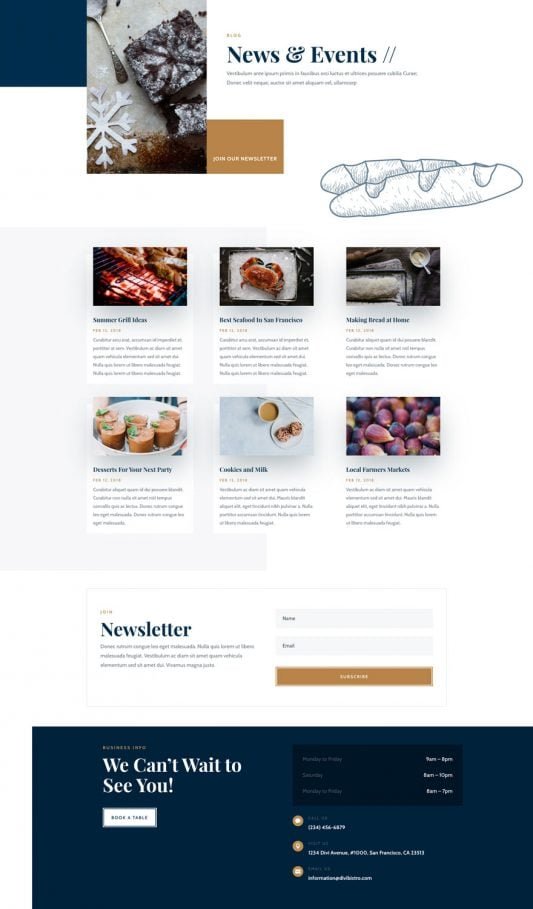
How Do I Accurately Measure the ROI of My Local Instagram Ad Campaigns?
Our SEO chefs will spice up your Google ranking, claiming top table for searches like “romantic bistro Melbourne” or “casual dinner Perth.” Skip the side-dish obscurity and draw in organic crowds from Canberra’s cultured connoisseurs or the Gold Coast’s sunset suppers!
We’ll season your social media with savory stories on Instagram and Facebook: sizzling kitchen clips, wine-pairing whispers, and guest gratitude posts that tantalize timelines. It’s your recipe for becoming the local legend in scenes from Hobart’s waterfront wonders to Darwin’s dusk delights.
Hungry for hurried reservations? Our Google Ads and Facebook Ads are flavor-focused, luring Aussie food lovers with clever, calorie-conscious campaigns that pack the house and pare down the empty chairs—suited to sizzling bistro belts in Sydney and Melbourne.
We’re your tasty table-turners for triumph, all about results that let you master the menu. Craving a casual confab over virtual vino? Drop by our website—let’s cook up a feast of success for your bistro together!