

Table of Contents
How Can I Write Menu Descriptions That Rank for Specific Cuisine Types
By PKRank Digital Marketing
In the bustling culinary landscape of Melbourne, where innovation and tradition collide, standing out is paramount for any bistro. Your menu is more than just a list of dishes; it’s a powerful marketing tool, a storybook of your culinary creations. For bistros specializing in specific cuisine types, like Modern Australian, crafting menu descriptions that not only entice customers but also rank well in online searches is a strategic imperative. At PKRank, we understand the nuanced art of digital marketing for the hospitality sector. This comprehensive guide will equip you with the knowledge and techniques to write menu descriptions that resonate with your target audience and elevate your bistro’s online visibility.
Understanding the Power of Menu Descriptions
Before diving into the specifics of ranking, it’s crucial to grasp the fundamental impact of well-written menu descriptions. They serve multiple purposes:
- Enticing Customers: Vivid language and appealing adjectives can transform a simple dish into an irresistible experience, influencing ordering decisions and increasing average order value.
- Communicating Value: Descriptions can highlight the quality of ingredients, the skill involved in preparation, and the unique story behind each dish, justifying pricing and fostering customer appreciation.
- Setting Expectations: Clearly describing flavours, textures, and potential allergens ensures customer satisfaction and reduces the likelihood of disappointment.
- Building Brand Identity: The tone and style of your descriptions contribute to your bistro’s overall brand personality, whether it’s sophisticated, casual, rustic, or avant-garde.
- Search Engine Optimization (SEO): This is where the magic happens for online discoverability. When potential diners search for “Modern Australian bistro Melbourne” or “best lamb dish Fitzroy,” your menu descriptions are among the first things search engines analyze to determine relevance.
For Modern Australian cuisine, this means showcasing the fusion of indigenous ingredients with global influences, the emphasis on fresh, seasonal produce, and the innovative culinary techniques employed. Your descriptions must reflect this essence to attract the right diners.
The Science of Search Engine Optimization for Menus
Search engines like Google aim to provide users with the most relevant and helpful results. When someone searches for a specific cuisine type in your location, search engines look for signals that indicate your bistro is a good match. This is where Search Engine Optimization (SEO) comes into play. For menu descriptions, SEO involves:
- Keyword Research: Identifying the terms and phrases people actually use when searching for food and dining experiences.
- On-Page Optimization: Strategically incorporating these keywords into your menu descriptions in a natural and engaging way.
- User Experience: Ensuring your website is easy to navigate and your menu is accessible and readable, which also contributes to your ranking.
- Local SEO: Optimizing for location-specific searches, such as “Modern Australian restaurant Melbourne CBD.”
In essence, you’re speaking the language of both your potential customers and the search engines they use to find you.
Keyword Research for Modern Australian Cuisine
The foundation of any successful SEO strategy is thorough keyword research. For a Modern Australian bistro in Melbourne, this means understanding what terms potential diners are using to find establishments like yours. Consider the following categories:
Core Cuisine Terms
These are the most direct searches related to your cuisine type. Examples include:
- Modern Australian food
- Australian cuisine dishes
- Contemporary Australian restaurant
- Fusion Australian food
- Indigenous Australian ingredients
Ingredient Focus
Modern Australian cuisine often celebrates unique and high-quality ingredients. People might search for specific ingredients they are craving.
- Wagyu beef Australia
- Tasmanian salmon
- Local produce Melbourne
- Native Australian herbs
- Seasonal vegetables dishes
Dish Specifics
Customers often search for specific types of dishes they enjoy.
- Lamb rack recipe modern
- Seafood platter Melbourne
- Gourmet burger Melbourne
- Vegetarian Australian dishes
- Desserts with native fruits
Location Based Searches
This is crucial for local businesses in Melbourne.
- Modern Australian restaurant [Suburb Name]
- Best Australian food Melbourne CBD
- New restaurants Fitzroy
- Fine dining South Yarra
- Casual bistros Carlton
Intent Based Searches
What is the customer looking to do?
- Book Modern Australian table
- Dinner menus Melbourne
- Lunch deals [Suburb Name]
- Where to eat Australian food
Tools like Google Keyword Planner, SEMrush, Ahrefs, and even simply observing Google’s “People also ask” section and related searches can provide invaluable insights into what your target audience is searching for. Focus on long-tail keywords (longer, more specific phrases) as they often indicate higher purchase intent and are less competitive.
Crafting Compelling and Keyword-Rich Descriptions
Once you have your list of relevant keywords, the next step is to weave them into your menu descriptions in a way that is both informative and persuasive. Remember, the primary goal of a menu description is to make someone want to order the dish. SEO is a secondary, but vital, layer.
1. Start with a Hook
Begin with an evocative opening that captures attention. For Modern Australian, this could be about the origin of an ingredient, the inspiration behind the dish, or a sensory experience.
Example (Without SEO): Pan-seared scallops with a lemon butter sauce.
Example (With SEO Keyword: “Fresh Seafood Melbourne”): “Dive into the pristine waters of Western Australia with our pan-seared scallops, sourced for peak freshness and served with a delicate lemon butter sauce, a true taste of Melbourne’s best seafood.”
2. Highlight Key Ingredients
Modern Australian cuisine is renowned for its fusion of native and international ingredients. Be specific and descriptive.
Example (Without SEO): Grilled lamb with rosemary potatoes.
Example (With SEO Keyword: “Native Australian Herbs”): “Succulent slow-roasted Australian lamb rump, infused with aromatic native Australian herbs like lemon myrtle and served alongside crispy rosemary and garlic potatoes.”
3. Emphasize Preparation Techniques
Details about how the dish is prepared can convey quality and culinary expertise.
Example: “Slow-braised for unparalleled tenderness, our beef cheek melts in your mouth, complemented by a rich red wine jus and a velvety parsnip puree.”
4. Use Sensory Language
Engage all five senses. Describe taste, texture, aroma, appearance, and even sound.
Example: “Crispy skin salmon with a vibrant beetroot puree, accompanied by a scattering of toasted macadamia nuts for a delightful crunch and earthy sweetness.”
5. Incorporate Location-Specific Keywords Naturally
If you’re targeting a specific Melbourne suburb or area, subtly integrate these terms.
Example: “Experience a taste of authentic Modern Australian, right here in the heart of Fitzroy. Our signature dish features locally sourced kangaroo loin, pan-seared to perfection with a delightful quandong glaze.”
6. Mention Dietary Considerations (Where Applicable)
If a dish is gluten-free, vegan, or vegetarian, stating this can attract a wider audience and improve searchability for those specific needs.
Example: “A vibrant and hearty vegan risotto, featuring seasonal heirloom tomatoes, wilted spinach, and a sprinkle of nutritional yeast for a cheesy flavour, showcasing the best of Melbourne’s plant-based offerings.”
7. Tell a Story
Briefly sharing the inspiration or origin of a dish can add a unique appeal. This is particularly effective for Modern Australian cuisine, which often has rich cultural narratives.
Example: “Inspired by the rugged beauty of Tasmania, this dish features pan-fried Tassie salmon atop a bed of creamy quinoa, enhanced with a subtle hint of wild mushrooms. A connection to nature on your plate.”
8. Keep it Concise, Yet Informative
While you want to be descriptive, avoid overly long and rambling descriptions. Aim for a balance of detail and brevity.
Specific Strategies for Modern Australian Cuisine
Modern Australian cuisine is a dynamic category that blends indigenous heritage with global influences. Your menu descriptions should reflect this unique identity.
Embrace Native Ingredients with Clarity
Native Australian ingredients are a significant draw. When featuring them, ensure clarity and context.
- Instead of: Kangaroo with fruit.
- Try: “Pan-seared Australian kangaroo loin, marinated in a rich bush tomato and quandong reduction, served with roasted sweet potato.”
Explain what these ingredients are if they might be unfamiliar to a broad audience. For example, “quandong (a native Australian desert fruit with a tart, cranberry-like flavour).”
Highlight the Fusion Aspect
Modern Australian cuisine thrives on fusion. Show how different culinary traditions are skillfully combined.
- Example: “Our ‘East Meets West’ duck confit features crisp-skinned duck legs slow-cooked in the classic French style, then glazed with a sweet and savoury Gochujang (Korean chili paste) sauce, served with a refreshing cucumber and mint salad.”
Showcase Local and Seasonal Produce
Melbourne’s culinary scene is deeply connected to its fresh produce. Emphasize this connection.
- Example: “A vibrant celebration of Victoria’s finest, our ‘Farmer’s Market Salad’ features a medley of the freshest seasonal vegetables – think heirloom tomatoes, crisp sugar snap peas, and tender baby spinach – all tossed in a light, zesty native finger lime vinaigrette.”
Mentioning specific Melbourne or Victorian regions known for their produce (e.g., “from the Yarra Valley,” “sourced from the Mornington Peninsula”) can add authenticity.
Balance Innovation with Familiarity
While adventurous flavours are key, ensure your descriptions also offer an entry point for diners who might be new to Modern Australian cuisine.
- Example: “Our ‘Reimagined Shepherd’s Pie’ takes a comforting classic and gives it a Modern Australian twist. Tender, slow-cooked lamb is topped not with mashed potato, but with a creamy, smoky pumpkin and wattleseed mash, offering a familiar warmth with an unexpected, delightful flavour profile.”
Consider Visual Appeal
Modern Australian food is often as beautiful as it is delicious. Use words that paint a picture.
- Example: “A symphony of colours and textures: vibrant grilled octopus, artfully arranged with a black garlic aioli, rocket, and a drizzle of paprika oil.”
Integrating Descriptions into Your Online Presence
Your menu descriptions are most effective when they are consistently applied across all your online platforms.
Your Website
This is your digital storefront. Ensure your menu is easily accessible, well-formatted, and that all descriptions are optimized as discussed.
- Mobile Responsiveness: Many diners browse menus on their phones. Ensure your website is mobile-friendly and descriptions are easy to read on small screens.
- Clear Categorization: Organize your menu into logical sections (e.g., Starters, Main Courses, Desserts, Specials) to improve user experience.
- High-Quality Images: While descriptions are key, don’t underestimate the power of professional, mouth-watering photographs of your dishes.
Online Ordering Platforms (Uber Eats, DoorDash, etc.)
These platforms are crucial for revenue and visibility. While character limits can be a constraint, prioritize your most important keywords and descriptive elements.
- Prioritize Keywords: Even with limited space, try to include your most relevant keywords early in the description.
- Use Emojis Sparingly: Judicious use of emojis can add visual appeal and convey quick information (e.g., 🔥 for spicy, 🌱 for vegan).
- Consistency: Ensure descriptions on these platforms align with your website for brand consistency.
Social Media
Instagram, Facebook, and other platforms are excellent for showcasing your dishes and engaging with potential customers. Use your menu descriptions as inspiration for your social media captions.
- “Dish of the Week” Features: Highlight a specific dish with its optimized description and a stunning photo.
- Behind-the-Scenes: Share snippets of your kitchen and chefs preparing these dishes, further reinforcing the quality and care depicted in your descriptions.
- Engage with Comments: Respond to comments and questions about your dishes, further building interest.
Local Listing Sites (Google My Business, Yelp, TripAdvisor)
These platforms are vital for local SEO. Your menu can often be uploaded directly or linked.
- Google My Business: Ensure your menu is up-to-date with optimized descriptions. This is crucial for local search results.
- Reviews: Encourage customers to leave reviews. Positive reviews mentioning specific dishes can further boost your reputation and search visibility.
Measuring the Impact of Your Menu Descriptions
Writing great descriptions is only half the battle; you need to track their effectiveness.
Website Analytics
- Traffic Sources: See where your website visitors are coming from. Are they finding you through organic search for specific cuisine terms?
- Page Views: Track which menu pages are most popular.
- Time on Page: A longer time spent on your menu page might indicate that users are engaging with your descriptions.
Search Engine Rankings
Monitor your search engine rankings for your target keywords. Are you appearing on the first page for terms like “Modern Australian restaurant Melbourne”?
Customer Feedback and Sales Data
- Dish Popularity: Are the dishes with the most optimized and appealing descriptions selling better?
- Customer Comments: Pay attention to what customers say about your dishes. Do they echo the sentiments in your descriptions?
- Order Modifications: While not always directly related to descriptions, excessive modifications could indicate a mismatch between description and expectation.
Common Pitfalls to Avoid
While striving for perfection, be mindful of potential missteps:
- Overstuffing with Keywords: This can make descriptions sound unnatural and unappealing to humans, and search engines may penalize it.
- Vague or Generic Language: “Delicious chicken” tells customers nothing. Be specific and evocative.
- Exaggeration or Misleading Claims: Honesty builds trust. Don’t promise something your dish can’t deliver.
- Ignoring Formatting: Long blocks of text are hard to read. Use bullet points, bold text, and clear headings where appropriate (on your website).
- Inconsistency: Ensure your brand voice and description style are consistent across all platforms.
- Forgetting the “Why”: Remember the primary goal is to sell a dish. SEO is a tool to help achieve that.
The Future of Menu Descriptions and SEO
The digital marketing landscape is constantly evolving. As AI and voice search become more prevalent, the way people search for information will continue to change.
- Voice Search Optimization: Assume people will be asking their smart speakers natural language questions, like “What’s a good Modern Australian dish with lamb in the city?” Your descriptions should be written in a way that naturally answers these conversational queries.
- Personalization: As platforms gather more user data, expect more personalized recommendations. However, a strong foundational description will still be key to initial discovery.
- Video Content: Short, engaging videos showcasing your dishes can complement your written descriptions and further enhance online appeal.
By staying ahead of these trends and continuously refining your approach, your bistro can maintain a competitive edge.
Conclusion
Crafting menu descriptions that rank for specific cuisine types, like Modern Australian, is an art that blends culinary passion with strategic digital marketing. It requires a deep understanding of your target audience, meticulous keyword research, and the ability to translate your exquisite dishes into compelling narratives. At PKRank, we believe that by consistently applying the principles outlined in this guide–emphasizing fresh, local ingredients, highlighting unique preparation methods, embracing native flavours, and naturally weaving in relevant keywords–your Melbourne bistro can not only attract more diners but also solidify its position as a leader in the vibrant Australian culinary scene. Remember, your menu is your voice to the world; let it sing with flavour, authenticity, and search engine savvy.
Empower Your Bistro with PKRank’s Tailored Digital Solutions
Hey there, flavor maestro! Curating cozy corners and crave-worthy plates in Australia’s lively dining scene is your art, but filling those seats night after night? Let’s savor the easy way.
At PKRank, we’re all about dishing out digital marketing that’s warm, welcoming, and wickedly effective for bistro owners like you—whether you’re simmering sauces in Sydney’s harborside haunts, plating fusion in Melbourne’s alley eateries, or firing up grills in Brisbane’s backyard bistros.
Imagine a charming, appetite-whetting website whipped up for your spot, with drool-worthy menus of rustic risottos, fresh seafood specials, or veggie delights, complete with reservation widgets and virtual tours. We’ll make it tablet-tempting and mobile-morsel-ready, so diners from Perth’s portside patios to Adelaide’s wine-country whims can reserve a table from afar.
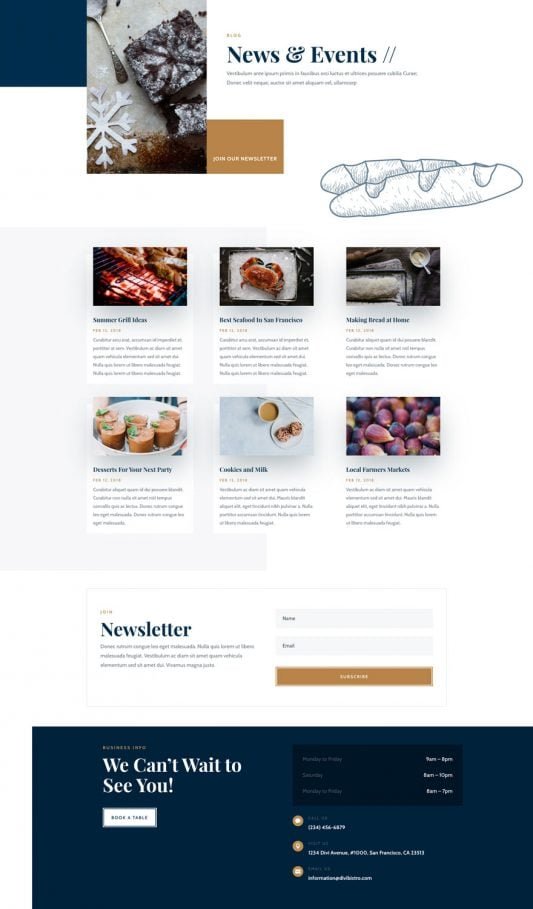
How Can I Write Menu Descriptions That Rank for Specific Cuisine Types (e.g., Modern Australian)?
Our SEO chefs will spice up your Google ranking, claiming top table for searches like “romantic bistro Melbourne” or “casual dinner Perth.” Skip the side-dish obscurity and draw in organic crowds from Canberra’s cultured connoisseurs or the Gold Coast’s sunset suppers!
We’ll season your social media with savory stories on Instagram and Facebook: sizzling kitchen clips, wine-pairing whispers, and guest gratitude posts that tantalize timelines. It’s your recipe for becoming the local legend in scenes from Hobart’s waterfront wonders to Darwin’s dusk delights.
Hungry for hurried reservations? Our Google Ads and Facebook Ads are flavor-focused, luring Aussie food lovers with clever, calorie-conscious campaigns that pack the house and pare down the empty chairs—suited to sizzling bistro belts in Sydney and Melbourne.
We’re your tasty table-turners for triumph, all about results that let you master the menu. Craving a casual confab over virtual vino? Drop by our website—let’s cook up a feast of success for your bistro together!