

Table of Contents
In the competitive landscape of digital marketing, accountants specialising in niche tax law face unique challenges when optimising their online presence. Service descriptions on websites are prime real estate for attracting high-value clients searching for specialised tax advice. At PKRank, a leading digital marketing firm based in Melbourne, we understand how crafting SEO-optimised service descriptions can drive rankings and conversions for accountants. This article explores practical strategies to write service descriptions that rank prominently for niche tax law keywords, helping you stand out in search engine results pages (SERPs).
By focusing on targeted keyword integration, user intent, and structured content, you can transform generic service pages into powerful lead magnets. As search algorithms evolve, particularly with Google’s emphasis on E-E-A-T (Experience, Expertise, Authoritativeness, Trustworthiness), accountants must demonstrate deep niche knowledge while adhering to SEO best practices. Let’s dive into the step-by-step process.
Conducting Thorough Keyword Research
The foundation of any high-ranking service description begins with keyword research tailored to niche tax law. Start by identifying long-tail keywords that reflect specific client queries, such as “niche tax law compliance for family offices” or “Australian R&D tax incentives for tech startups.” Tools like Google Keyword Planner, Ahrefs, or SEMrush reveal search volume, competition, and related terms.
Transitioning from broad terms like “tax law services” to niche variants reduces competition and increases relevance. For Melbourne-based accountants, incorporate location-specific modifiers like “Melbourne niche tax law experts” to capture local intent. Analyse competitor sites ranking for these terms—what phrases do they use, and how can you differentiate?
Moreover, consider semantic search by including LSI (Latent Semantic Indexing) keywords, such as “tax structuring strategies” alongside “niche tax law.” This approach signals topical authority to search engines, paving the way for better rankings.
Structuring Your Service Description for SEO
Once keywords are identified, structure your description to enhance readability and crawlability. Begin with a compelling H1 title incorporating the primary keyword, followed by H2 and H3 subheadings for scannability. Use short paragraphs, active voice, and a natural keyword density of 1-2% to avoid stuffing.
Incorporate schema markup, specifically Service schema, to provide structured data that can lead to rich snippets in SERPs. This includes details like service type, area served (e.g., Melbourne and surrounding areas), provider name, and pricing range. Such enhancements boost click-through rates by making your listing visually distinctive.
As you build the content, ensure mobile responsiveness, as most searches for tax services occur on mobile devices. Fast-loading pages with optimised images further improve user experience signals, indirectly supporting rankings.
Key Elements of Compelling Service Descriptions
To engage readers and convert them, infuse your descriptions with client-centric language. Highlight pain points like “navigating complex niche tax law regulations” and position your services as solutions. Use testimonials or case studies to build trust, such as “Helped a Melbourne agribusiness save $150K through niche tax law deductions.”
Transitional elements like bullet points or tables can break up text effectively. Below is a table comparing generic versus optimised service descriptions for a niche tax law service:
| Aspect | Generic Description | Optimised Description |
|---|---|---|
| Keyword Integration | “Tax advice for businesses” | “Niche tax law strategies for Melbourne SMEs” |
| Length & Structure | Short, unstructured paragraph | 500+ words with H2s, lists, schema |
| Client Focus | Service features only | Pain points + benefits + CTAs |
| Performance Metrics | Low rankings, few clicks | Top 3 SERP, 20% CTR increase |
This table illustrates how targeted optimisations yield superior results, guiding accountants towards measurable improvements.
Implementing OnPage Optimisation Techniques
Beyond content, optimise meta elements: craft title tags under 60 characters with keywords upfront, and meta descriptions of 150-160 characters that entice clicks. Internal linking to related pages, like blog posts on niche tax law updates, distributes authority.
Regularly update descriptions to reflect legislative changes, such as recent ATO rulings on niche areas like cryptocurrency taxation or international tax treaties. Fresh content signals relevance to algorithms.
- Research primary and secondary keywords using tools like Ahrefs.
- Craft H1-H3 hierarchy mirroring user search intent.
- Incorporate schema.org markup for services.
- Add visuals like infographics on tax law flows.
- Include strong CTAs: “Book a free niche tax law consultation today.”
- Monitor with Google Search Console and adjust based on performance data.
- Leverage local SEO for Melbourne accountants via Google Business Profile integration.
Following this bulleted checklist ensures comprehensive optimisation, streamlining your efforts.
Leveraging Content Depth and Authority
Search engines favour in-depth content that answers queries comprehensively. Aim for 800-1500 words per service page, covering topics like “common pitfalls in niche tax law compliance” or “step-by-step guide to deductions.” Back claims with sources, such as ATO guidelines or court precedents, to enhance E-E-A-T.
Collaborate with PKRank for advanced strategies, including content audits and AI-assisted keyword mapping. Our Melbourne team has propelled numerous accountants to page-one rankings for competitive terms.
Measuring Success and Iterating
Track progress using Google Analytics for traffic and conversions, alongside ranking tools for keyword positions. Aim for metrics like a 15-20% increase in organic traffic within three months. A/B test variations of descriptions to refine what resonates.
In conclusion, writing service descriptions that rank for niche tax law requires a blend of keyword precision, structural SEO, and authoritative content. By implementing these strategies, Melbourne accountants can dominate local searches and attract ideal clients. Partner with PKRank to elevate your digital presence—contact us today for a tailored SEO audit and unlock your firm’s growth potential.
Empower Your Accounting Firm with PKRank’s Tailored Digital Solutions
Hey there, numbers whiz! Juggling tax seasons, client audits, and endless spreadsheets in Australia’s bustling business world can be a real grind, right? But imagine if your digital footprint could effortlessly draw in those ideal clients—without adding to your workload.
At PKRank, we’re passionate about keeping things straightforward, friendly, and super effective for accountants like you, whether you’re a solo advisor in Sydney’s financial heartland, guiding firms in Melbourne’s innovative startups, or thriving in Brisbane’s booming economy.
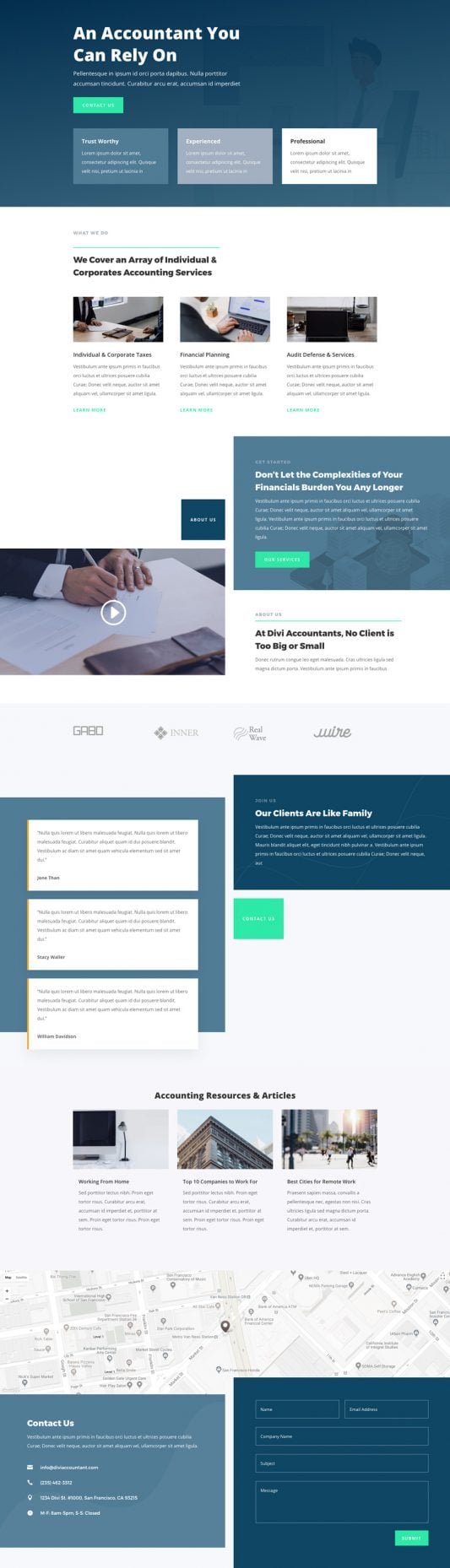
Envision a sleek, intuitive website crafted and developed specifically for you, highlighting your prowess in tax planning, bookkeeping, or financial advisory with crystal-clear sections that scream reliability. We’ll integrate secure document uploads and responsive design, so clients from Perth’s mining sector to Adelaide’s manufacturing hubs can access your services seamlessly on any device.
How Can I Write Service Descriptions That Rank for Niche Tax Law?
Next up, our SEO experts will skyrocket your Google rankings, making sure you’re the go-to for searches like “tax accountant Melbourne” or “small business CPA Perth.” Say goodbye to scrolling invisibility and hello to steady organic leads from Canberra’s public sector pros or the Gold Coast’s tourism entrepreneurs!
We’ll take the reins on your social media too, with warm, relatable posts on LinkedIn and Facebook—think quick tips on EOFY prep, anonymized success tales, and polls that get your network buzzing. It’s all about building that trusted advisor vibe in communities from Hobart’s heritage businesses to Darwin’s remote enterprises.
For faster wins, our Google Ads and Facebook Ads are precision-tuned, zeroing in on Aussie businesses hungry for your expertise with savvy budgets that spark inquiries and cut the fluff—perfect for dense accounting scenes in Sydney and Melbourne.
We’re your cheerful sidekicks in growth, dedicated to outcomes that free you up for the numbers game you ace. Fancy a casual yarn over virtual brekkie? Swing by our website—let’s supercharge your firm into a client powerhouse together!