

Table of Contents
Understanding Lifetime Customer Value
In the competitive landscape of the auto repair industry, understanding your customers’ long-term value is crucial for sustainable growth. Lifetime Customer Value, or LTV, represents the total revenue a business can expect from a single customer over the entire duration of their relationship. For auto repair shop owners in Melbourne and beyond, mastering LTV calculation empowers you to make informed decisions on marketing spend, customer retention strategies, and service pricing. As a digital marketing firm like PKRank specialising in local businesses, we’ve seen firsthand how LTV insights transform shops from reactive service providers to proactive revenue generators.
Transitioning from basic metrics like daily sales to LTV provides a holistic view of profitability. Rather than focusing solely on one-off repairs, LTV accounts for repeat visits for oil changes, brake services, and major overhauls. This shift not only highlights loyal customers but also reveals opportunities to nurture at-risk ones, ensuring your shop thrives in a market where customer acquisition costs are rising.
Why LTV is Essential for Auto Repair Businesses
Auto repair shops often operate on thin margins, making customer retention far more cost-effective than constant acquisition. Calculating LTV helps you determine how much you’re willing to invest in acquiring new clients—typically, a healthy business aims for LTV to be at least three times the customer acquisition cost (CAC). For instance, if attracting a new customer costs $200 through targeted ads, your LTV should exceed $600 to justify the spend.
Moreover, LTV uncovers patterns unique to the auto repair sector, such as seasonal service spikes or loyalty from fleet owners. By quantifying these, you can allocate resources effectively: prioritise email campaigns for high-LTV customers or refine Google Ads targeting vehicle-heavy suburbs. This data-driven approach, which PKRank integrates into our client strategies, leads to higher ROI and long-term stability.
Key Components of LTV Calculation
To compute LTV accurately, break it down into three core elements: Average Revenue Per User (ARPU), Purchase Frequency, and Customer Lifespan. ARPU is the average spend per visit—think $150 for routine maintenance. Purchase Frequency measures how often customers return annually, often 4-6 times for dedicated auto repair patrons. Customer Lifespan estimates the relationship duration in years, typically 5-10 for shops building trust through quality service.
The basic LTV formula is straightforward: LTV = ARPU × Purchase Frequency × Customer Lifespan. Yet, for precision in auto repair, factor in profit margins (e.g., 40-50% after parts and labour) to yield Customer Lifetime Profit. This refined metric guides decisions like introductory discounts without eroding profitability. As you gather these inputs from your POS system or CRM, transitions seamlessly into practical application become evident.
Step-by-Step Guide to Calculating LTV
Follow these structured steps to derive your shop’s LTV, using historical data from the past 12-24 months for reliability.
- Calculate Average Revenue Per Visit (ARPV): Divide total revenue by total transactions. Example: $500,000 revenue / 3,500 visits = $142.86 ARPV.
- Determine Purchase Frequency: Total transactions divided by unique customers. Example: 3,500 visits / 800 customers = 4.375 visits per year.
- Estimate Customer Lifespan: Average customer tenure in years, derived from retention analysis. Example: 7 years.
- Compute Gross LTV: ARPV × Frequency × Lifespan. Example: $142.86 × 4.375 × 7 ≈ $4,380.
- Adjust for Profit Margin: Multiply by margin percentage. Assuming 45%: $4,380 × 0.45 ≈ $1,971 net LTV.
- Validate and Segment: Break down by customer type (e.g., retail vs. fleet) and refine over time.
With these steps, you’ll gain actionable insights. Tools like Google Sheets or advanced CRM software simplify the process, allowing monthly recalculations to track improvements.
Sample LTV Calculation Table
Visualise the formula with this example for a mid-sized Melbourne auto repair shop serving 800 active customers:
| Metric | Value | Formula | Result |
|---|---|---|---|
| Average Revenue Per Visit | $142.86 | Total Revenue / Total Visits | $500,000 / 3,500 |
| Purchase Frequency | 4.375 | Total Visits / Unique Customers | 3,500 / 800 |
| Customer Lifespan | 7 years | Average Retention Period | N/A |
| Gross LTV | $4,380 | ARPV × Frequency × Lifespan | $142.86 × 4.375 × 7 |
| Profit Margin | 45% | Net Profit / Revenue | N/A |
| Net LTV | $1,971 | Gross LTV × Margin | $4,380 × 0.45 |
This table illustrates how inputs directly impact outcomes, making it easy to scenario-test adjustments like raising ARPV through upselling.
Factors Influencing LTV in Auto Repair
Several variables can boost or hinder LTV. Exceptional service fosters repeat business, while poor communication leads to churn. External factors like economic downturns reduce visit frequency, underscoring the need for adaptive strategies.
Additionally, digital presence plays a pivotal role. Shops with optimised websites and review management see 20-30% higher LTV due to easier re-engagement. Loyalty programs, personalised reminders via SMS, and referral incentives further extend lifespan. By monitoring these, you transition from estimation to optimisation.
Strategies to Maximise LTV
Leverage your LTV data to implement targeted initiatives. Start with retention-focused marketing: segment high-LTV customers for VIP perks. Invest in SEO and PPC, ensuring CAC stays below one-third of LTV—PKRank excels here, delivering tailored campaigns for Melbourne auto shops.
Upsell complementary services like alignments post-tyre changes, and use automation for service reminders. Track results quarterly, refining as needed. These tactics not only elevate LTV but fortify your competitive edge.
In conclusion, calculating and applying LTV equips your auto repair business with a roadmap to profitability and growth. By routinely assessing this metric, you’ll prioritise high-value relationships, optimise marketing efforts, and scale sustainably. Partnering with experts like PKRank can amplify these efforts through data-backed digital strategies, ensuring your Melbourne shop not only survives but dominates the local market.
Empower Your Auto Repair Shop with PKRank’s Tailored Digital Solutions
Hey there, wrench wizard! Keeping Aussie wheels turning in our vast, road-loving country is no small feat—from dusty outback drives to city commutes—but what if your shop could rev up clients without the extra grease?
At PKRank, we’re geared toward making digital marketing smooth, welcoming, and turbo-charged for auto repair pros like you, whether you’re fixing fleets in Sydney’s traffic jams, tuning classics in Melbourne’s car culture, or servicing SUVs in Brisbane’s suburban sprawl.
Visualize a robust, easy-to-use website revved up just for you, spotlighting your engine rebuilds, brake overhauls, or diagnostic wizardry with photo galleries, service booking forms, and quick-quote calculators. We’ll make it mobile-optimized, so drivers from Perth’s highway haulers to Adelaide’s vintage vehicle fans can book repairs on the fly, no matter where they are.
Auto Repair Shop Website Showcase
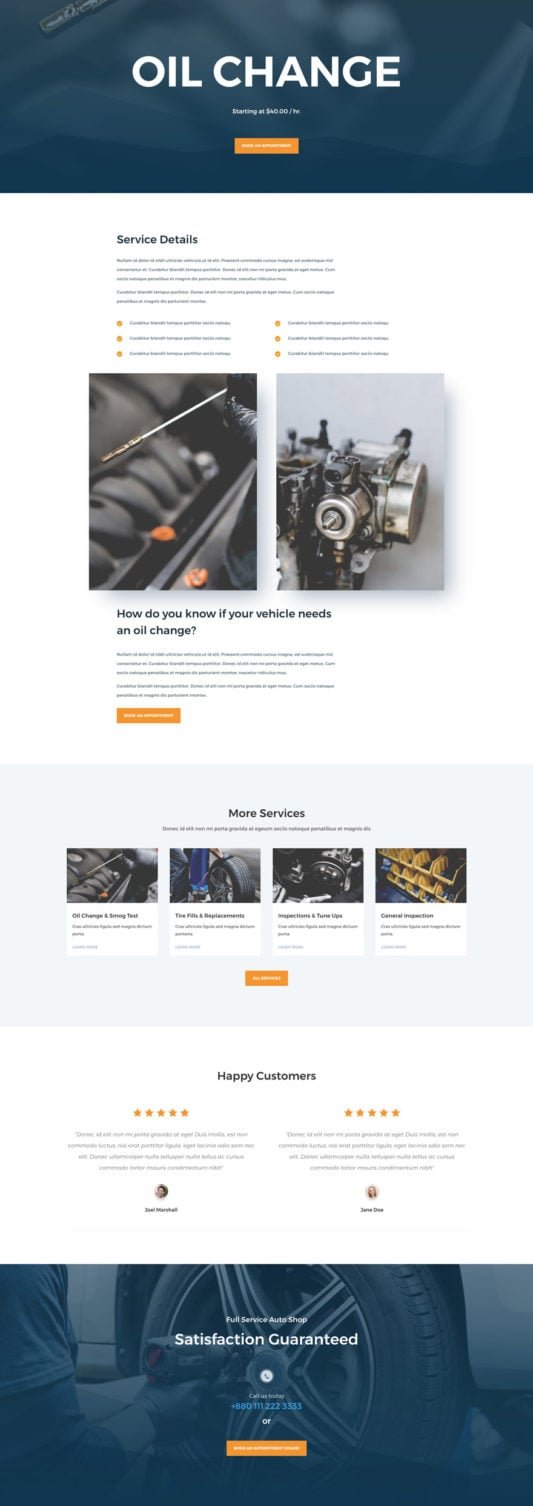
How to Calculate the Lifetime Customer Value (LTV) for My Auto Repair Business?
Our SEO crew will pump up your Google rank, putting you front and center for searches like “auto mechanic Melbourne” or “tyre repair Perth.” Ditch the back-page blues and attract steady organic roll-ins from Canberra’s commuter crews or the Gold Coast’s beach buggy brigade!
We’ll steer your social media with a matesy vibe on Facebook and Instagram: fun before-and-after pics, quick DIY tips, and customer shoutouts that get likes and shares rolling. It’s your ticket to becoming the trusted pit stop in neighborhoods from Hobart’s hilly hauls to Darwin’s rugged rides.
For that instant tow-in boost? Our Google Ads and Facebook Ads are finely tuned, targeting breakdown-prone Aussies with smart, spend-savvy setups that crank up calls and curb the downtime—spot-on for busy repair hubs in Sydney and Melbourne.
We’re your reliable pit crew for growth, all about results that keep you under the hood doing what you do best. Up for a no-pressure chat over virtual espressos? Pop over to our website—let’s get your shop shifting into high gear together!