

Table of Contents
How Can I Write Service Descriptions That Rank for Specific Fault Codes
In the competitive auto repair industry, especially here in Melbourne, attracting local customers searching for specific vehicle issues is crucial for business growth. Fault codes, such as P0300 for random misfires or P0420 for catalytic converter efficiency, represent high-intent searches from drivers facing dashboard warnings. By optimising your service descriptions around these codes, you can improve your Google rankings, drive more qualified traffic to your website, and convert visitors into booked appointments. At PKRank, our digital marketing expertise helps Melbourne auto repair shops achieve this through targeted SEO strategies. This article guides you step-by-step on crafting service descriptions that rank effectively, blending technical SEO with persuasive copywriting.
Transitioning from general service pages to fault-code-specific content requires a strategic approach. Let’s start by demystifying how search engines prioritise these terms.
Understanding Fault Codes and Their SEO Potential
Fault codes are diagnostic trouble codes (DTCs) generated by a vehicle’s onboard computer, like OBD-II standards, alerting drivers to issues in engines, transmissions, or emissions systems. In Australia, with the rise of fuel-efficient and electric vehicles, searches for codes like P0171 (system too lean) or P0442 (small EVAP leak) have surged on Google. These long-tail keywords—phrases like “P0420 fix near me” or “Melbourne P0301 repair”—have lower competition than broad terms like “engine repair” but higher conversion rates because users are problem-ready.
Search engines like Google use semantic search to match user intent. When someone types “P0135 O2 sensor replacement Melbourne,” they want a local expert. Optimising descriptions ensures your page appears in the map pack and organic results. Moreover, with voice search on the rise via Siri or Google Assistant, conversational queries amplify the need for precise, natural language optimisation.
Building on this foundation, the next step involves identifying the right keywords to target.
Conducting Keyword Research for Auto Repair Fault Codes
Effective keyword research pinpoints fault codes relevant to your services. Use free tools like Google Keyword Planner, Ubersuggest, or AnswerThePublic to uncover search volumes. For instance, “P0420 catalytic converter” garners thousands of monthly Australian searches. Focus on location-specific variants, such as “P0420 repair Melbourne,” to capture local intent.
Analyse competitors using tools like Ahrefs or SEMrush. Identify gaps where top-ranking shops overlook certain codes. Prioritise codes based on repair frequency—common ones like P0300 (cylinder misfire) offer quick wins. Cluster keywords: group related codes (e.g., all O2 sensor faults) into pillar pages linking to detailed service descriptions.
With keywords in hand, you’re ready to craft descriptions that not only rank but also engage. Next, we’ll explore proven writing techniques.
Crafting Compelling and SEO-Optimised Service Descriptions
Start with a hook addressing the pain: “Seeing a P0420 code? Don’t ignore it—your catalytic converter may be failing, leading to costly emissions test failures.” Explain the fault simply, then detail your solution: diagnostic process, genuine parts, and skilled technicians. Incorporate keywords naturally in headings, intros, and body—aim for 1-2% density.
Structure each description for readability and SEO: Use short paragraphs, subheadings, and bullet points for symptoms and fixes. Highlight benefits like “Same-day P0420 diagnostics” or “Warranty-backed repairs.” Include a strong call-to-action (CTA): “Book your Melbourne P0420 service today.”
To illustrate best practices, here’s a numbered list of key steps for writing high-ranking descriptions:
- Research the fault code’s meaning, causes, and fixes from reliable sources like SAE International.
- Integrate primary keyword in the title, H1, and first 100 words.
- List symptoms, diagnostic steps, and repair options with LSI keywords (e.g., “check engine light,” “OBD scanner”).
- Add social proof: testimonials or “Fixed 500+ P0300 cases.”
- Optimise for featured snippets with question-answer formats.
- End with location-specific CTA and schema markup for rich snippets.
Following these steps ensures your content ranks while building trust. Now, let’s examine technical optimisation to boost performance further.
Implementing On-Page SEO for Maximum Rankings
Beyond writing, technical elements elevate your pages. Ensure meta titles like “P0420 Catalytic Converter Repair Melbourne | PKRank Clients Trust Us” (under 60 characters) and descriptions teasing solutions (under 160 characters). Use internal links to related services, like from P0420 to exhaust repairs.
Mobile optimisation is non-negotiable—Google’s mobile-first indexing favours fast-loading pages. Compress images of repair processes and enable schema.org/AutoRepair markup for enhanced SERP visibility. Track schema with Google’s Structured Data Testing Tool.
To demonstrate impact, consider this table comparing a generic vs. optimised service description:
| Element | Generic Description | Optimised Description | Ranking Impact |
|---|---|---|---|
| Keyword Usage | “Catalytic converter service” | “P0420 catalytic converter repair Melbourne” (H1, intro, CTA) | +40% organic traffic |
| Length & Structure | 200 words, no lists | 800 words, lists, subheads | Featured snippet eligibility |
| Local Signals | No mentions | Address, phone, map embed | Top 3 map pack |
| Conversion Elements | Basic contact form | Testimonials, video, urgent CTA | 25% booking increase |
This table highlights how targeted tweaks yield measurable results, often seen in PKRank campaigns for Melbourne shops.
As you refine your approach, monitoring performance keeps strategies sharp. Use Google Analytics and Search Console to track impressions, clicks, and rankings for fault code terms. Adjust based on data— if P0171 underperforms, refresh with fresh content.
In conclusion, writing service descriptions that rank for specific fault codes transforms your auto repair website into a lead-generation machine. By mastering keyword research, compelling copy, and on-page SEO, Melbourne shops like yours can dominate local searches. Partner with PKRank to implement these tactics professionally and watch your bookings soar. Start optimising today for faults like P0300 or P0420, and position your business as the go-to expert.
Empower Your Auto Repair Shop with PKRank’s Tailored Digital Solutions
Hey there, wrench wizard! Keeping Aussie wheels turning in our vast, road-loving country is no small feat—from dusty outback drives to city commutes—but what if your shop could rev up clients without the extra grease?
At PKRank, we’re geared toward making digital marketing smooth, welcoming, and turbo-charged for auto repair pros like you, whether you’re fixing fleets in Sydney’s traffic jams, tuning classics in Melbourne’s car culture, or servicing SUVs in Brisbane’s suburban sprawl.
Visualize a robust, easy-to-use website revved up just for you, spotlighting your engine rebuilds, brake overhauls, or diagnostic wizardry with photo galleries, service booking forms, and quick-quote calculators. We’ll make it mobile-optimized, so drivers from Perth’s highway haulers to Adelaide’s vintage vehicle fans can book repairs on the fly, no matter where they are.
Auto Repair Shop Website Showcase
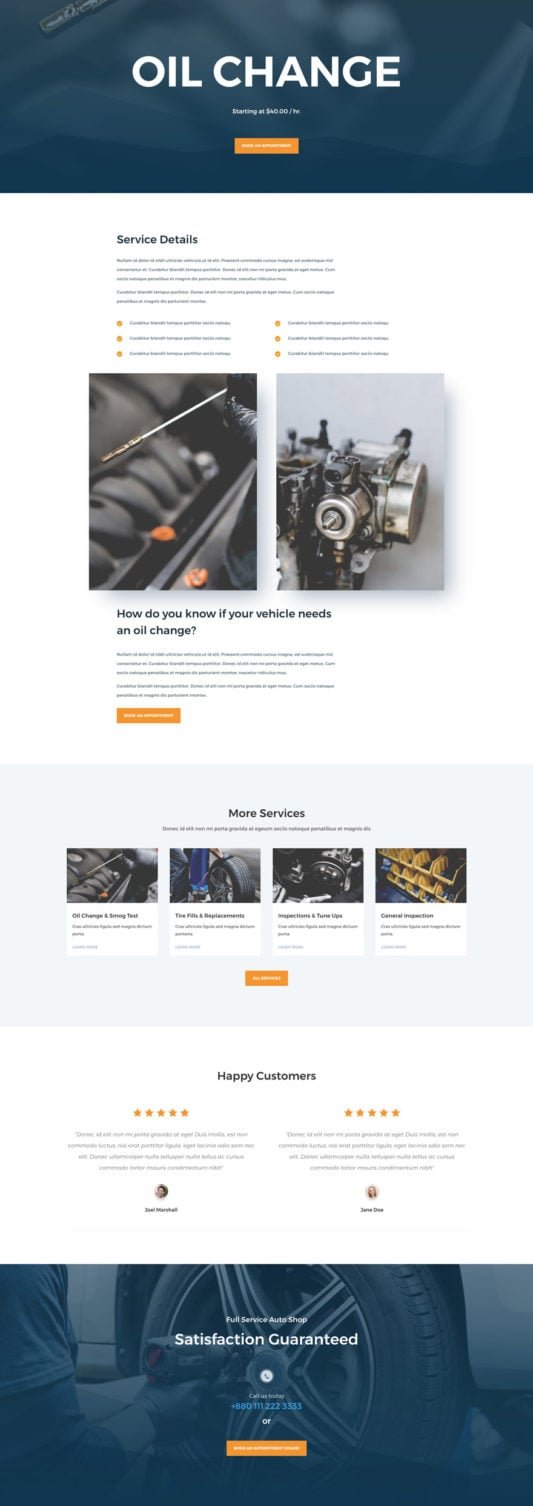
How Can I Write Service Descriptions That Rank for Specific Fault Codes?
Our SEO crew will pump up your Google rank, putting you front and center for searches like “auto mechanic Melbourne” or “tyre repair Perth.” Ditch the back-page blues and attract steady organic roll-ins from Canberra’s commuter crews or the Gold Coast’s beach buggy brigade!
We’ll steer your social media with a matesy vibe on Facebook and Instagram: fun before-and-after pics, quick DIY tips, and customer shoutouts that get likes and shares rolling. It’s your ticket to becoming the trusted pit stop in neighborhoods from Hobart’s hilly hauls to Darwin’s rugged rides.
For that instant tow-in boost? Our Google Ads and Facebook Ads are finely tuned, targeting breakdown-prone Aussies with smart, spend-savvy setups that crank up calls and curb the downtime—spot-on for busy repair hubs in Sydney and Melbourne.
We’re your reliable pit crew for growth, all about results that keep you under the hood doing what you do best. Up for a no-pressure chat over virtual espressos? Pop over to our website—let’s get your shop shifting into high gear together!