

Table of Contents
Artificial intelligence (AI) has rapidly evolved from a speculative concept in science fiction to an integral part of daily life. In recent years, advancements in machine learning, neural networks, and big data have propelled AI into sectors ranging from healthcare to entertainment. This article explores the profound impact of AI on modern society, examining its historical development, current applications, future potential, and associated challenges. By understanding these dimensions, readers can appreciate how AI is reshaping our world while highlighting the need for responsible implementation.
Historical Evolution of Artificial Intelligence
The roots of AI trace back to the mid-20th century. In 1956, the Dartmouth Conference marked the birth of AI as a field, where pioneers like John McCarthy and Marvin Minsky envisioned machines that could simulate human intelligence. Early efforts focused on symbolic AI, using logic and rules to mimic reasoning. However, progress stalled during the “AI winters” of the 1970s and 1980s due to limited computing power and unmet expectations.
A turning point came in the 1990s and 2000s with the advent of machine learning algorithms. Techniques like support vector machines and decision trees enabled computers to learn from data rather than being explicitly programmed. The breakthrough in deep learning, powered by graphics processing units (GPUs) and vast datasets, accelerated in the 2010s. Milestones such as IBM’s Deep Blue defeating chess champion Garry Kasparov in 1997 and AlphaGo’s victory over Go master Lee Sedol in 2016 demonstrated AI’s growing prowess in complex tasks. Today, these foundations support sophisticated systems like large language models, transitioning AI from niche research to widespread utility.
Current Applications in Everyday Life
AI permeates daily routines in unobtrusive yet transformative ways. Virtual assistants like Siri, Alexa, and Google Assistant use natural language processing to handle voice commands, schedule appointments, and control smart home devices. Recommendation engines on platforms such as Netflix and Amazon analyze user behavior to suggest personalized content and products, enhancing user experience and driving commerce.
In transportation, AI powers autonomous vehicles from companies like Tesla and Waymo, employing computer vision and sensor fusion for safe navigation. Ride-sharing services optimize routes and predict demand using predictive analytics. Healthcare benefits from AI diagnostics; tools like IBM Watson analyze medical images to detect cancers with accuracy rivaling human experts, expediting diagnoses in resource-limited settings. Moreover, financial services leverage AI for fraud detection, processing transactions in real-time to flag anomalies. These applications not only boost efficiency but also democratize access to advanced services, bridging gaps in traditional systems.
Transitioning from consumer tech to enterprise solutions, AI streamlines operations across industries. In manufacturing, predictive maintenance algorithms foresee equipment failures, minimizing downtime and costs. Agriculture employs AI-driven drones for crop monitoring, optimizing irrigation and pesticide use to promote sustainable farming. As integration deepens, AI’s role in augmenting human capabilities becomes evident, fostering innovation while raising questions about dependency.
Future Prospects and Innovations
Looking ahead, AI’s trajectory promises revolutionary changes. Generative AI, exemplified by models like GPT-4 and DALL-E, creates text, images, and code, empowering creative industries and accelerating research. Quantum computing could exponentially enhance AI’s problem-solving capacity, tackling simulations for drug discovery and climate modeling that are currently infeasible.
Edge AI, processing data on devices rather than clouds, will enable real-time applications in wearables and IoT ecosystems, improving privacy and responsiveness. In education, personalized learning platforms adapt to individual paces, potentially revolutionizing global access to quality instruction. By 2030, experts predict AI could contribute up to $15.7 trillion to the global economy, according to PwC estimates, underscoring its economic significance. These prospects, however, hinge on ethical frameworks to ensure equitable benefits.
Challenges and Ethical Considerations
Despite its promise, AI presents significant hurdles. Bias in training data perpetuates discrimination; facial recognition systems have shown higher error rates for people of color, prompting regulatory scrutiny. Job displacement fears loom as automation supplants routine tasks, necessitating reskilling programs. Privacy concerns arise from pervasive data collection, fueling debates on regulations like the EU’s AI Act.
Existential risks, such as superintelligent AI misalignment with human values, have drawn attention from thinkers like Nick Bostrom. Cybersecurity vulnerabilities expose AI systems to adversarial attacks, potentially disrupting critical infrastructure. Addressing these requires multidisciplinary collaboration: robust governance, transparent algorithms, and inclusive development practices. International standards, akin to those for nuclear technology, may be essential to mitigate risks while harnessing benefits.
Furthermore, the energy demands of training large models contribute to environmental strain, pushing innovations in efficient AI architectures. Balancing innovation with accountability will define AI’s legacy, ensuring it serves humanity broadly rather than exacerbating inequalities.
Conclusion
In summary, artificial intelligence has journeyed from theoretical origins to a cornerstone of modern existence, influencing how we work, live, and interact. Its applications enhance productivity and solve intractable problems, while future advancements hold untapped potential. Yet, confronting ethical dilemmas, biases, and societal impacts is imperative for sustainable progress. As stakeholders—from policymakers to developers—prioritize responsible AI, society can navigate this transformative era toward a more equitable and prosperous future. Embracing AI thoughtfully will not only amplify human potential but also safeguard against unintended consequences, paving the way for collective advancement.
Empower Your Bagel Shop with PKRank’s Tailored Digital Solutions
Hey there, dough dynamo! Whipping up chewy bagels and fresh schmears in Australia’s vibrant foodie scene is a delight, but luring in those hungry crowds? That’s the real rise-and-shine challenge.
At PKRank, we’re all about sprinkling digital marketing magic that’s fun, fuss-free, and flavor-packed for bagel bosses like you—whether you’re toasting classics in Sydney’s multicultural markets, innovating flavors in Melbourne’s cafe crawl, or slinging stacks in Brisbane’s brunch hotspots.
Picture a deliciously designed website baked fresh for your shop, with mouthwatering photo menus of everything bagels, lox-loaded beauties, or vegan twists, plus online ordering and loyalty perks. We’ll keep it crumb-free and mobile-munchable, so foodies from Perth’s fusion eateries to Adelaide’s artisan alleys can grab a bite virtually anytime.
Bagel Shop Website Demo
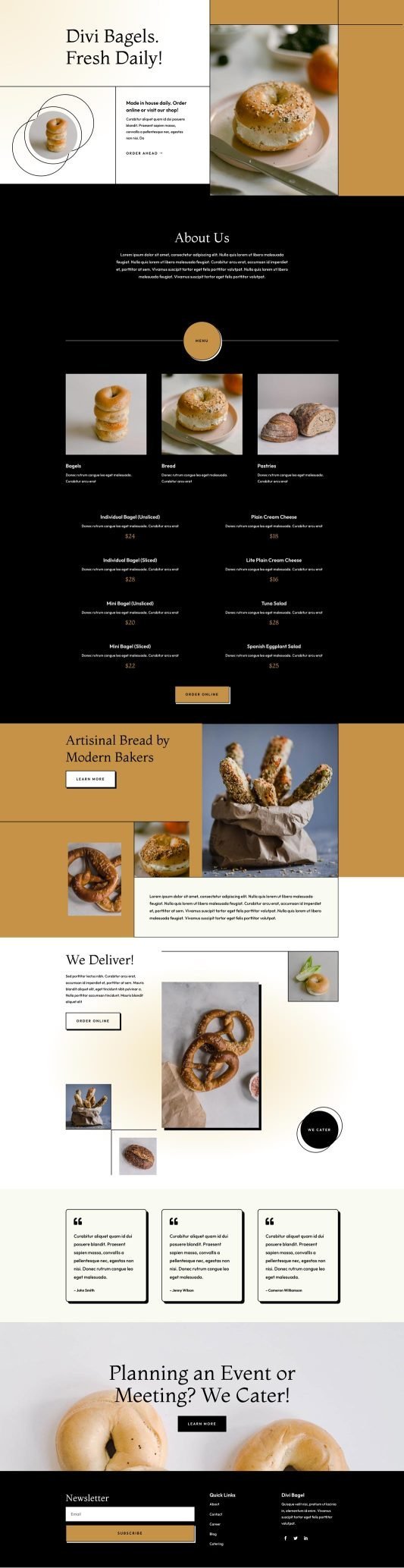
How to Optimize My Website to Capture Voice Search Queries (“Where to get a bagel?”)?
Our SEO bakers will knead your Google spot to the top, ensuring you’re the first crave for “best bagels Melbourne” or “bagel delivery Perth.” No more getting buried in the bread aisle—pull in organic foot traffic from Canberra’s coffee chasers or the Gold Coast’s surf-and-smear seekers!
We’ll glaze your social media with tasty vibes on Instagram and Facebook: steamy fresh-out-of-the-oven shots, pairing polls, and customer cream-cheese confessions that spread like wildfire. It’s your way to become the neighborhood nibble in areas from Hobart’s harbor hangs to Darwin’s tropical treats.
Craving quicker queues? Our Google Ads and Facebook Ads are precisely portioned, targeting Aussie appetite alerts with budget-bite setups that boost orders and nix the no-shows—tailor-made for bagel buzz in Sydney and Melbourne.
We’re your sweet sidekicks in sales, all about results that let you focus on the perfect boil. Up for a chat over virtual bagels? Swing by our website—let’s dough this and turn your shop into a breakfast blockbuster together!