

Table of Contents
In the bustling culinary landscape of Melbourne, bistros and cafes are always seeking innovative ways to attract and retain customers. As a digital marketing firm, PKRank understands the unique challenges and opportunities within this vibrant sector. One area that often causes friction between businesses and consumers, yet holds immense potential for building trust and enhancing the dining experience, is the menu pricing page.
A well-designed pricing page isn’t just a list of dishes and their costs; it’s a strategic tool. It’s your opportunity to showcase the quality of your ingredients, the skill of your chefs, and the overall value proposition of your establishment. In the digital age, where transparency is paramount and customers are more informed than ever, a clear, justified pricing structure can be a powerful differentiator.
This article, brought to you by PKRank, your Melbourne-based digital marketing experts for the hospitality industry, will guide you through the art and science of designing a transparent menu pricing page that not only informs but also confidently justifies the value of your offerings. We’ll explore how to move beyond simply stating prices to actively communicating why those prices are fair, reasonable, and reflective of an exceptional dining experience, ultimately leading to increased customer satisfaction and loyalty.
The Crucial Role of Transparency in Bistro Pricing
In today’s competitive market, transparency in pricing is no longer a ‘nice-to-have’ but a fundamental expectation from consumers. For bistros, particularly those in a discerning city like Melbourne, a clear and upfront approach to pricing builds trust and manages customer expectations effectively. When diners can easily understand what they are paying for, they are more likely to feel comfortable and confident in their choices. This confidence can translate into repeat business and positive word-of-mouth referrals, vital for any successful establishment.
Conversely, a lack of transparency can lead to confusion, suspicion, and ultimately, dissatisfaction. Hidden costs, unclear explanations, or prices that feel arbitrary can alienate customers, causing them to look elsewhere. This is especially true in the digital realm, where a website serves as the first point of contact for many potential diners. A poorly designed or opaque pricing page can be a significant turn-off, leading to a high bounce rate and lost opportunities.
Therefore, the objective is not just to present prices, but to present them in a way that clearly articulates the value proposition of your bistro. It’s about showcasing the quality of ingredients, the expertise of your culinary team, the ambiance of your dining space, and the overall dining experience you offer. This isn’t about justifying inflated prices, but about demonstrating that the price reflects the quality and experience provided, fostering a sense of fairness and satisfaction.
Defining Value Beyond the Price Tag
Before diving into the design of your pricing page, it’s crucial to understand what ‘value’ truly means in the context of a bistro. It’s a multifaceted concept that extends far beyond the mere cost of a dish. Value is the perceived benefit that a customer receives in relation to the price they pay. For a bistro, this encompasses a wide array of elements that contribute to the overall dining experience.
Firstly, there’s the quality of the ingredients. Are you using locally sourced, seasonal produce? Are your suppliers reputable for their premium offerings? High-quality ingredients inevitably come at a higher cost, and customers who appreciate culinary excellence will understand and value this. Communicating the origin and quality of your ingredients can significantly justify your pricing. For instance, mentioning ‘grass-fed, locally sourced beef’ or ‘organic, heritage tomatoes’ immediately elevates the perceived value of a dish.
Secondly, the skill and creativity of your culinary team play a pivotal role. The artistry involved in crafting a dish, the precise cooking techniques, and the unique flavour combinations all contribute to the value. Highlight signature dishes, the background of your head chef, or the passion that goes into creating each plate. This narrative adds a layer of appreciation that transcends a simple ingredient list and price.
Thirdly, the overall dining experience matters immensely. This includes the ambiance of your bistro, the attentiveness and knowledge of your service staff, the presentation of the food, and even the music and decor. A sophisticated and welcoming atmosphere, coupled with impeccable service, enhances the perceived value of the entire meal. These elements, though not directly part of the food’s cost, are integral to the dining experience and contribute to the justification of your pricing.
Finally, consider the uniqueness of your offerings. Do you have a special fusion of cuisines, a signature cocktail that’s difficult to replicate, or a dish that’s a beloved local secret? Highlighting these unique selling points can make your pricing appear more reasonable and justified, as customers are paying for an experience they can’t get elsewhere.
By understanding and articulating these components of value, you can shift the conversation from ‘How much does this cost?’ to ‘What am I getting for this price?’. This mindset shift is key to building a pricing page that resonates with your target audience and encourages them to dine with you.
Designing for Clarity and Readability
The aesthetic and functional design of your menu pricing page are paramount in conveying transparency. A cluttered, confusing, or visually unappealing page can undermine even the most well-intentioned pricing strategy. The goal is to make it effortless for your customers to find the information they need and to present it in a way that is both appealing and informative.
Begin with a clean and intuitive layout. Use clear headings and subheadings to categorize your offerings, such as ‘Starters,’ ‘Mains,’ ‘Desserts,’ ‘Drinks,’ and so on. This hierarchical structure helps users navigate your menu efficiently. Employ consistent formatting throughout – for example, consistent font styles and sizes for dish names, descriptions, and prices. This predictability reduces cognitive load and makes the page easier to scan.
When it comes to presenting prices, simple and direct is best. Avoid using complex formatting like bolding prices excessively, which can make them appear overly prominent and sometimes aggressive. A standard, easily readable font for prices, aligned neatly with the dish name and description, is most effective. Consider the visual hierarchy; dish names should be easy to spot, followed by concise descriptions, and then the price.
Use ample white space. Don’t cram too much information onto the page. White space, or negative space, improves readability by separating elements and creating a sense of calm and order. This makes the menu feel less overwhelming and more digestible, encouraging customers to explore your offerings.
Visuals can also play a role, but they must be used judiciously. High-quality, appealing photographs of your dishes can enhance desirability and provide a visual cue for what customer can expect. However, too many photos can clutter the page and slow down loading times. If you choose to include images, ensure they are professional and consistent with your brand’s aesthetic. Alternatively, you might opt for simple icons or illustrations that subtly enhance the design without overwhelming it.
Furthermore, ensure your pricing page is mobile-responsive. A significant portion of your audience will likely access your menu via their smartphones. A page that fails to adapt to smaller screens will be frustrating to use and may lead to lost customers. Check that text is readable, buttons are easy to tap, and images scale appropriately across all devices.
Finally, consider accessibility. Use colour contrasts that are sufficient for readability, and ensure that fonts are large enough for easy viewing. This inclusive approach benefits all your customers.
Crafting Compelling Dish Descriptions That Justify Price
Your dish descriptions are more than just a few sentences about what’s on the plate; they are powerful storytelling tools that can significantly influence a customer’s perception of value. By weaving in sensory language, highlighting key ingredients, and hinting at the culinary artistry involved, you can effectively justify the price point of each item.
Start with evocative language. Instead of ‘Grilled Chicken Breast,’ try ‘Pan-Seared Free-Range Chicken Breast, infused with rosemary and thyme, served atop a bed of creamy truffle mushroom risotto.’ Use adjectives that appeal to the senses: ‘tender,’ ‘crispy,’ ‘succulent,’ ‘aromatic,’ ‘vibrant,’ ‘rich,’ ‘delicate,’ ‘bold.’ Paint a picture with your words, allowing the customer to imagine the taste, texture, and aroma of the dish.
Emphasize quality ingredients. As discussed earlier, detailing the origin or specific characteristics of your ingredients can directly tie into the price. Mentioning ‘Wagyu beef,’ ‘Tasmanian salmon,’ ‘heirloom vegetables,’ or ‘artisanal cheese’ automatically signals a higher quality product. You can even briefly explain why these ingredients are superior, for example, ‘Our olive oil is cold-pressed from locally grown olives, ensuring a fresh, peppery finish.’
Highlight culinary techniques. Let your customers know that there’s skill and effort involved in preparing their meal. Instead of ‘Mashed Potatoes,’ consider ‘Silky smooth garlic-infused mashed potatoes, handcrafted with butter and cream.’ Phrases like ‘slow-cooked for 12 hours,’ ‘hand-rolled pasta,’ ‘smoked over applewood,’ or ‘delicately flambéed’ all communicate the dedication and expertise applied.
Don’t be afraid to tell a mini-story. Is there a special inspiration behind a dish? A family recipe passed down? A nod to a particular culinary tradition? Sharing these brief anecdotes can add depth and personality, making the dish more memorable and its price more justifiable. For example, ‘Our ‘Nonna’s Bolognese’: a recipe perfected over generations, featuring slow-simmered San Marzano tomatoes and a rich blend of beef and pork.’
Incorporate unique selling points. If a dish is a signature of your bistro, a house specialty, or uses a rare ingredient, make sure to highlight this. This uniqueness commands a certain premium and your descriptions should reflect that.
Keep descriptions concise yet informative. While rich descriptions are beneficial, avoid lengthy paragraphs that can become tedious to read. Aim for a few impactful sentences that capture the essence of the dish and its value proposition. Test different descriptions to see what resonates best with your audience.
Finally, ensure consistency in tone and style across all your descriptions. This reinforces your brand identity and creates a cohesive and professional image for your bistro.
Communicating Additional Value Beyond Food Costs
A truly transparent and value-driven pricing page looks beyond just the cost of ingredients and labour for each dish. It embraces the holistic dining experience provided by your bistro. By transparently communicating these additional value-adds, you demonstrate to your customers that they are investing in a comprehensive and enjoyable experience, not just a meal.
Consider the ambiance. Your bistro’s atmosphere is a significant part of what customers pay for. Do you offer live music? A curated playlist? A unique interior design that transports diners? Mentioning these elements subtly can elevate the perceived value. For example, a brief note like ‘Enjoy a cozy and romantic atmosphere with our carefully selected jazz soundtrack’ can justify a higher price point for mains.
Service quality is another crucial component. If your staff are highly trained, knowledgeable about the menu, and dedicated to providing exceptional service, this should be communicated. You might not list a ‘service fee’ on your menu, but the underlying expectation of superior service contributes to diner satisfaction. You can weave this into your website’s ‘About Us’ page or even a general statement on your menu page, such as ‘Our commitment to attentive and knowledgeable service ensures a memorable dining experience.’
Presentation matters. The artistry of plating a dish can significantly enhance a customer’s perception. If your chefs take pride in creating visually stunning presentations, subtly hint at this. Phrases like ‘artfully plated’ or ‘a feast for the eyes as well as the palate’ can convey this.
Consider your location and its benefits. If your bistro is in a prime Melbourne location with beautiful views, convenient accessibility, or is a popular spot for a particular occasion, these factors add to the overall value proposition. Mentioning ‘stunning city views’ or ‘conveniently located in the heart of the arts district’ can be advantageous.
What about the ‘extras’ that might be standard for you but not elsewhere? For example, do you offer complimentary bread service with high-quality butter or spreads? Do you have a unique house-made amuse-bouche? These small touches add value and contribute to the overall positive impression, making the pricing seem more fair.
Think about the sourcing and sustainability practices. In an era of increased consumer awareness, ethical sourcing and sustainable practices are highly valued. If your bistro prioritizes these, be transparent about it. Mentioning ‘supporting local farmers,’ ‘reducing food waste,’ or ‘using eco-friendly packaging’ can resonate positively with customers and justify a premium.
Finally, consider loyalty programs or special offers. While not directly about the price of a single dish, having a clear and accessible loyalty program or detailing any ongoing promotions can contribute to the overall perceived value a customer receives from your establishment over time. This builds loyalty and a sense of being rewarded.
Strategies for Presenting Pricing Variations and Add-ons
Bistros often offer variations on dishes or optional add-ons, such as different protein choices, premium sides, or sauces. Transparently presenting these options is key to avoiding customer confusion and potential frustration at the point of sale. Here are some strategies to manage pricing variations and add-ons effectively:
Clearly stated options: For dishes with variations, state the base price and then list the additional cost for each option. For example, ‘Pan-Seared Salmon – $32. Add scallops +$8, Add prawns +$6.’ Ensure the cost increase is immediately apparent and easy to understand.
Bundling for value: Consider offering popular add-ons as part of a bundle or set menu. This can sometimes provide a slight discount compared to ordering items individually, making it feel like a better deal for the customer. For instance, ‘Mains Meal Deal: Choose any main course and add our signature truffle fries and a glass of house wine for an additional $15 (save $5).’
Tiered pricing for premium ingredients: If you offer premium versions of core ingredients (e.g., different cuts of steak, types of cheese), clearly label these tiers with their respective price differences. ‘Angus Sirloin Steak – $40. Add Wagyu F1 Cut +$15.’
Visible add-on customization: For dishes where multiple add-ons are possible (e.g., pizzas, salads), use checkboxes or clear selection options with associated prices. This allows customers to build their meal to their exact specifications and see the total cost as they go. This is particularly effective for online ordering systems.
Explicit mention of what’s included: Sometimes, customers might assume certain accompaniments are included. Be explicit. For example, if a particular main dish comes with a side as standard, state it: ‘Roasted Lamb Shoulder with Rosemary Potatoes and Seasonal Vegetables (included).’ If sides are separate, make that clear: ‘Sides: Truffle Fries – $12, Steamed Greens – $9.’
Use sub-headings for clarity: For complex menus with many options, use sub-headings. For example, under the ‘Main Courses’ section, you might have a sub-heading for ‘Steak Selection’ and then list the different cuts and their prices logically. Similarly, a ‘Sauce & Toppings Bar’ could list all available extras and their costs.
Digital menus and interactive elements: Online menus offer the greatest flexibility. Interactive elements where customers can select options and see the price update in real-time are ideal. PKRank specialises in creating user-friendly online platforms that facilitate this kind of transparency.
Training your staff: Even with the clearest online menu, your front-of-house staff are the final touchpoint. Ensure they are well-versed in the pricing structure, any variations, and can confidently answer customer questions. A well-informed staff member can prevent misunderstandings and enhance the customer experience.
Avoid ambiguity: The cardinal rule is to leave no room for interpretation. Ambiguous pricing is a direct route to customer dissatisfaction and negative reviews. For example, instead of just listing ‘Steak Frites,’ specify the cut of steak and its price, and then clearly state the price of the ‘Frites’ if they are a separate charge.
By implementing these strategies, you ensure that every customer understands exactly what they are ordering and what they will be paying, fostering trust and a positive dining experience.
Leveraging Online Platforms for Enhanced Transparency
In today’s digital-first world, your online presence is often the first interaction a potential customer has with your bistro. Therefore, your digital menu and pricing page are critical tools for attracting and retaining diners. PKRank, as a leading digital marketing firm in Melbourne, understands the power of well-executed online strategies for the hospitality sector.
Your website is the cornerstone. A dedicated menu page that is easily accessible from your homepage is essential. It should be visually appealing, easy to navigate, and, most importantly, up-to-date. Ensure that prices are clearly displayed and accurate. The design should be consistent with your brand identity, reinforcing your bistro’s aesthetic and quality.
Online ordering systems and third-party delivery platforms (like Uber Eats, DoorDash, etc.) present unique challenges and opportunities. While these platforms offer convenience, they can also sometimes obscure pricing details or create confusion if not managed carefully. PKRank advises bistros to ensure their menus on these platforms are accurate, clearly itemized, and reflect the true value of the dishes. Consider using high-quality images and detailed descriptions on these platforms as well, mirroring the strategy for your own website.
Social media is another powerful tool for showcasing your offerings and subtly reinforcing your pricing strategy. Engaging posts featuring your signature dishes, highlighting a special ingredient, or even behind-the-scenes glimpses of your kitchen can build anticipation and demonstrate the quality and craft that goes into your food. This pre-empts questions about price by building perceived value.
Utilize your Google Business Profile (GBP) effectively. Ensure your menu is uploaded and regularly updated. This is often the first place potential customers look for essential information, including your menu and prices. Accurate GBP listings are crucial for local search visibility and customer trust.
Consider a blog on your website. This offers a fantastic avenue to elaborate on your sourcing practices, introduce your chefs, share the inspiration behind new dishes, or discuss seasonal ingredients. These articles act as content marketing, building brand authority and providing context that further justifies your pricing in the minds of your customers. PKRank can help develop a content strategy that aligns with your business goals.
Email marketing is also an avenue to consider. You can use newsletters to highlight new menu items, special promotions, or seasonal specials, always ensuring the pricing is clear and the value proposition is communicated.
The key is integration. All your online platforms – website, social media, online ordering, GBP – should present a consistent and transparent message about your pricing and the value you offer. PKRank’s expertise lies in creating these cohesive digital strategies, ensuring that every online touchpoint reinforces customer trust and encourages bookings and orders.
Addressing Potential Pricing Concerns and Building Trust
Even with the most detailed and transparent pricing page, some customers may still have questions or concerns. Proactively addressing these potential issues is crucial for building trust and ensuring a positive customer experience. Here’s how PKRank suggests bistros can manage these situations:
FAQs section: Dedicate a section on your website, perhaps linked from your menu page, to frequently asked questions about pricing. This can cover common queries such as why certain dishes are priced differently, the sourcing of ingredients, or the rationale behind any service charges if applicable. Having readily available answers demonstrates your commitment to transparency.
Clear contact information: Make it incredibly easy for customers to reach out with questions. Provide your phone number, email address, and a contact form on your website. Prompt and polite responses to customer inquiries can de-escalate potential concerns and reinforce your commitment to customer satisfaction.
Staff training: Your front-of-house staff are your frontline ambassadors. They must be empowered and trained to discuss pricing and menu items knowledgeably and with confidence. They should be able to explain the ingredients, preparation methods, and the overall value of dishes. A friendly and informative interaction can resolve many potential pricing concerns on the spot.
Honest and humble communication: If a customer expresses concern about the price of a dish, it’s important to listen actively and respond with genuine understanding. Avoid being defensive. Instead, reiterate the value points. For example, ‘I understand your concern. This dish features premium, locally sourced Wagyu beef, which accounts for its higher price. We also pride ourselves on the intricate preparation and the unique flavour profile achieved by our head chef. We believe it offers exceptional value for that experience.’
Highlighting different price points: Ensure your menu offers a range of price points to cater to diverse budgets. While some dishes might be premium priced due to specific ingredients or preparation, having more moderately priced options demonstrates inclusivity and caters to a wider customer base. This prevents the perception that your bistro is exclusively for high-spending individuals.
Customer reviews and testimonials: Positive online reviews and testimonials from satisfied customers can significantly bolster trust. Encourage happy diners to leave reviews, and consider featuring glowing testimonials on your website. Social proof is a powerful tool in justifying your pricing and the overall quality of your establishment.
Continuous feedback loop: Actively seek feedback from your customers, both online and offline. What do they think of your menu? Are there any items they find particularly good value, or any they question? Use this feedback to refine your menu and your communication strategies. PKRank can assist in setting up feedback mechanisms and analysing the data.
By adopting a proactive and transparent approach to addressing potential pricing concerns, you not only resolve immediate issues but also build lasting trust and loyalty with your clientele. This, in turn, translates to a stronger brand reputation and a more sustainable business.
Measuring the Impact of Your Transparent Pricing Strategy
Implementing a transparent and value-driven pricing strategy isn’t a one-off task; it requires ongoing measurement and refinement. As your digital marketing partners in Melbourne, PKRank emphasizes the importance of tracking key metrics to understand the effectiveness of your efforts and make data-driven decisions.
Website Analytics: Your website is a treasure trove of information. Use tools like Google Analytics to monitor traffic to your menu page. Look at metrics such as bounce rate (a high bounce rate could indicate the page isn’t engaging or easy to navigate), average session duration on the menu page (longer durations suggest customers are exploring your offerings), and conversion rates (if you have online ordering, track how many menu views lead to orders).
Online Order Performance: If you offer online ordering, track metrics such as average order value (AOV). A well-designed transparent menu might encourage customers to add more items or opt for higher-value dishes if they clearly understand and appreciate the value. Also, monitor order frequency and customer retention rates.
Customer Feedback and Reviews: Pay close attention to online reviews on platforms like Google, Yelp, TripAdvisor, and Zomato. Look for mentions of pricing, value for money, and overall satisfaction with the dining experience. Positive mentions of value are a strong indicator of success, while recurring concerns about price might signal an area for adjustment or better communication.
Sales Data: Analyze your daily, weekly, and monthly sales reports. Are you seeing an increase in sales since implementing your new pricing strategy? Are certain dishes that you’ve detailed with strong value propositions selling particularly well? Correlate sales trends with your marketing efforts.
Direct Customer Feedback: Encourage staff to gather informal feedback from diners. Are customers commenting positively on the menu clarity or the explanations of dishes? Implement a system for staff to report this feedback, which can then be analysed.
Social Media Engagement: Monitor engagement on posts related to your menu or specific dishes. Are people commenting, sharing, or asking questions? High engagement on visually appealing posts that highlight ingredient quality or culinary craft can indicate successful value communication.
A/B Testing: For your online menus, consider A/B testing different approaches. For example, try variations in dish descriptions or how prices are displayed to see which performs better in terms of engagement and conversions. PKRank can help set up and analyse these tests.
By consistently measuring these aspects, you can gain a clear understanding of how your transparent pricing strategy is impacting customer behaviour, satisfaction, and ultimately, your bistro’s profitability. This data-driven approach allows for continuous optimization, ensuring your pricing page remains a powerful tool for attracting and delighting diners.
Conclusion
In the competitive culinary heart of Melbourne, a transparent and value-justified menu pricing page is an indispensable asset for any bistro aiming to thrive. It’s not merely about displaying figures; it’s about weaving a narrative of quality, expertise, and an exceptional dining experience that resonates with your patrons. By focusing on clear communication, highlighting premium ingredients, showcasing culinary artistry, and articulating the holistic value of the ambiance and service, you transform a simple price list into a compelling invitation.
At PKRank, we understand that mastering this can be a nuanced process. Whether it’s crafting evocative dish descriptions, designing an intuitive digital menu, or leveraging online platforms for maximum impact, the goal is always to build trust and demonstrate fairness. By embracing transparency, you not only meet customer expectations but exceed them, fostering loyalty and encouraging repeat business.
Remember, your pricing page is a dynamic tool. Continuously measure its effectiveness through analytics and customer feedback. Adapt and refine your approach, always keeping the customer’s perception of value at the forefront. As your dedicated digital marketing partners in Melbourne, PKRank is here to support you in this journey, helping your bistro not just compete, but truly shine in the vibrant Melbourne dining scene. Invest in transparency, and watch your bistro’s reputation and revenue flourish.
Empower Your Bistro with PKRank’s Tailored Digital Solutions
Hey there, flavor maestro! Curating cozy corners and crave-worthy plates in Australia’s lively dining scene is your art, but filling those seats night after night? Let’s savor the easy way.
At PKRank, we’re all about dishing out digital marketing that’s warm, welcoming, and wickedly effective for bistro owners like you—whether you’re simmering sauces in Sydney’s harborside haunts, plating fusion in Melbourne’s alley eateries, or firing up grills in Brisbane’s backyard bistros.
Imagine a charming, appetite-whetting website whipped up for your spot, with drool-worthy menus of rustic risottos, fresh seafood specials, or veggie delights, complete with reservation widgets and virtual tours. We’ll make it tablet-tempting and mobile-morsel-ready, so diners from Perth’s portside patios to Adelaide’s wine-country whims can reserve a table from afar.
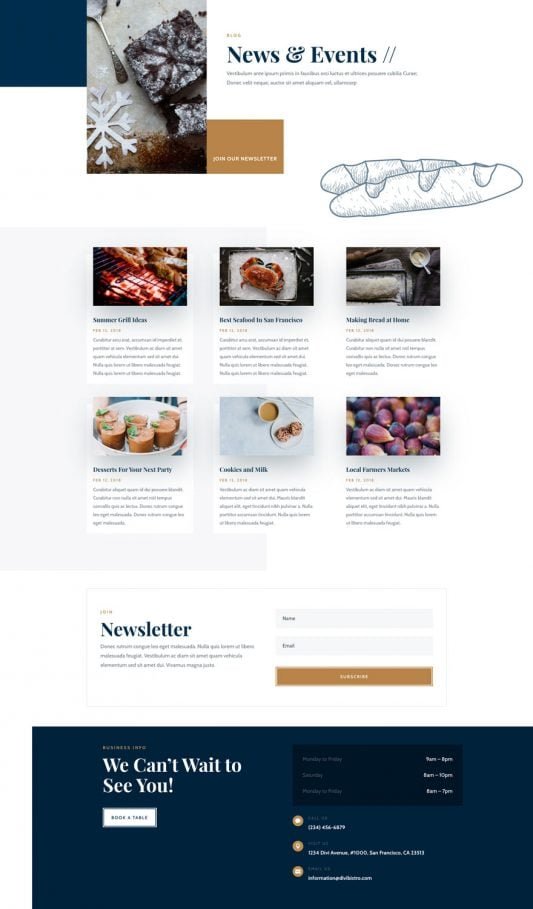
How to Design a Transparent Menu Pricing Page That Justifies Value?
Our SEO chefs will spice up your Google ranking, claiming top table for searches like “romantic bistro Melbourne” or “casual dinner Perth.” Skip the side-dish obscurity and draw in organic crowds from Canberra’s cultured connoisseurs or the Gold Coast’s sunset suppers!
We’ll season your social media with savory stories on Instagram and Facebook: sizzling kitchen clips, wine-pairing whispers, and guest gratitude posts that tantalize timelines. It’s your recipe for becoming the local legend in scenes from Hobart’s waterfront wonders to Darwin’s dusk delights.
Hungry for hurried reservations? Our Google Ads and Facebook Ads are flavor-focused, luring Aussie food lovers with clever, calorie-conscious campaigns that pack the house and pare down the empty chairs—suited to sizzling bistro belts in Sydney and Melbourne.
We’re your tasty table-turners for triumph, all about results that let you master the menu. Craving a casual confab over virtual vino? Drop by our website—let’s cook up a feast of success for your bistro together!