

Table of Contents
How Should a Small Australian Bistro Allocate Its Digital Marketing Budget
As a small Australian bistro, standing out in a competitive landscape is crucial. In today’s digital-first world, a well-crafted digital marketing strategy is no longer a luxury, but a necessity. However, for many small businesses, particularly those in the vibrant yet often cost-sensitive hospitality sector, the question isn’t whether to invest in digital marketing, but how to allocate a limited budget effectively. At PKRank, a Melbourne-based digital marketing firm with a deep understanding of the Australian market, we’ve seen firsthand the successes and challenges faced by bistros. This article will guide you through a strategic approach to allocating your digital marketing budget, ensuring every dollar works hard to bring diners through your doors.
Understanding Your Goals and Target Audience
Before diving into specific digital marketing tactics, it’s paramount to establish clear, measurable goals. What do you want your digital marketing to achieve? Are you aiming to increase foot traffic on weekdays, boost online reservations for weekend dinners, promote a new seasonal menu, or build brand loyalty and repeat business? Your goals will dictate where your budget is best spent. For instance, if your primary goal is to increase immediate bookings, paid search marketing might be a high priority. If building community and long-term engagement is key, social media content and email marketing will take precedence.
Equally important is a thorough understanding of your target audience. Who are your ideal customers? Are they young professionals looking for a quick, stylish lunch? Families seeking a relaxed evening meal? Food enthusiasts eager to explore innovative cuisine? Understanding their demographics, online behaviours, pain points, and where they spend their time online will inform your channel selection and messaging. Are they active on Instagram, seeking recommendations on Google Maps, or influenced by local food blogs? Knowing this will prevent you from wasting money on platforms or strategies that don’t resonate with your potential patrons.
For a small Australian bistro, it’s often beneficial to segment your audience. You might have a lunch crowd that differs significantly from your dinner crowd. Tailoring your digital marketing efforts to these specific segments will yield much better results than a one-size-fits-all approach. This initial diagnostic phase, though it requires time and thought, is the bedrock of any successful budget allocation. Without this foundational understanding, your marketing spend, however generous, will be akin to shooting in the dark.
Key Digital Marketing Channels for Bistros
The digital landscape offers a plethora of options for marketing, but not all channels are created equal for a small bistro. We’ll explore the most impactful and cost-effective channels, considering their typical allocation within a balanced budget.
Website and Search Engine Optimisation (SEO)
Your website is your digital storefront. It’s the first place many potential customers will turn to for information about your menu, opening hours, location, and ambiance. For a small bistro, a well-designed, mobile-friendly, and informative website is non-negotiable. This isn’t just about aesthetics; it’s about user experience and searchability.
Search Engine Optimisation (SEO) is the process of improving your website’s visibility in organic search engine results. For local businesses like bistros, Local SEO is particularly vital. This includes optimising your Google Business Profile (GBP), ensuring your business name, address, and phone number (NAP) are consistent across all online directories, and encouraging customer reviews. When someone in your local area searches for “best bistro in Melbourne,” “Italian restaurant near me,” or “romantic dinner spot,” you want your bistro to appear prominently in those search results.
SEO is a long-term strategy, and its effectiveness often requires ongoing effort. However, the return on investment can be substantial, as it drives qualified traffic to your website organically, meaning you don’t pay per click. Initial website development and ongoing SEO efforts can be a significant portion of your digital marketing budget, perhaps 20-30%, especially in the beginning. This investment ensures that when customers are actively searching for what you offer, they find you.
Paid Search Advertising (PPC)
Paid Search Advertising, often referred to as Pay-Per-Click (PPC), allows you to place targeted ads at the top of search engine results pages. Platforms like Google Ads are powerful tools for reaching customers who are actively searching for restaurants like yours. You bid on keywords relevant to your business, such as “brunch Melbourne,” “seafood restaurant Fitzroy,” or “wines by the glass.”
The beauty of PPC is its immediacy and measurability. You can see results quickly, and you only pay when someone clicks on your ad. This makes it an excellent channel for driving immediate traffic and bookings, especially for time-sensitive promotions or when you want to capture demand during peak dining hours.
For a small bistro, a carefully managed PPC campaign can be incredibly effective. However, it requires expertise to set up and optimise campaigns to avoid wasted spend. Bidding on the right keywords, crafting compelling ad copy, and targeting specific geographical areas are crucial. A typical allocation for PPC might range from 25-40% of your budget, depending on your aggressive growth goals and competitive landscape. Starting with a smaller, targeted budget and scaling up as you see positive returns is a wise approach.
Social Media Marketing
In the visual and experiential world of food, social media platforms are indispensable. Instagram, Facebook, and even TikTok are powerful tools for showcasing your dishes, ambiance, and the personality of your bistro. High-quality, mouth-watering food photography and engaging videos are essential. Beyond showcasing your offerings, social media is about building a community, fostering engagement, and driving word-of-mouth marketing.
Your social media strategy should encompass both organic content creation and paid social advertising. Organic content keeps your audience engaged with daily updates, behind-the-scenes glimpses, staff highlights, and user-generated content. Paid social advertising allows you to target specific demographics, interests, and locations with compelling visuals and offers, driving traffic to your website or reservations page.
Content creation requires time and resources, but the visual appeal of food can translate into highly shareable and engaging content. Allocating 15-25% of your budget to social media, including content creation and paid promotion, can yield significant brand awareness and customer engagement. Remember, consistency is key. Regularly posting high-quality content and interacting with your followers will build a loyal online following.
Email Marketing
Email marketing remains one of the most cost-effective digital marketing channels, offering a direct line of communication with your existing and potential customers. Building an email list through your website, in-venue sign-ups, or during online bookings is a valuable asset. You can then use email to announce new menu items, special promotions, upcoming events, or simply to send out a warm monthly newsletter.
Personalised emails that offer value, such as exclusive discounts or early access to events, can significantly boost customer loyalty and drive repeat business. The key is to segment your list and tailor your messages to different customer groups. For instance, you might send a special offer to customers who haven’t visited in a while or a birthday discount to those who have shared their birthdate.
The investment in email marketing is relatively low, primarily involving the cost of an email marketing platform (many offer free tiers for small lists) and the time spent on content creation. An allocation of 5-10% of your budget is usually sufficient to create impactful email campaigns that nurture customer relationships and drive sales.
Online Reviews and Reputation Management
In the age of online reviews, platforms like Google, TripAdvisor, Yelp, and Zomato hold immense sway. Positive reviews act as powerful social proof, influencing potential diners’ decisions. Conversely, negative reviews, if left unaddressed, can be detrimental to your reputation and deter customers.
Proactive reputation management involves encouraging satisfied customers to leave reviews and responding professionally and promptly to all feedback, both positive and negative. This demonstrates that you value customer feedback and are committed to providing an excellent dining experience. You can implement strategies like providing discreet cards with QR codes linking to your review pages or training your staff to politely ask for reviews.
While not a direct expenditure in terms of media buying, effective reputation management requires time and strategic effort. Allocating a small portion of your budget (perhaps 5%) to tools that help monitor reviews, such as Google Alerts or dedicated reputation management software, and the time investment for your team to actively manage it, is crucial for building trust and credibility.
Local Partnerships and Influencer Marketing
Collaborating with other local businesses or local food bloggers and influencers can be a cost-effective way to reach new audiences and build credibility. Think about partnering with nearby hotels, tour operators, or complementary businesses for cross-promotional activities. For influencer marketing, identify local personalities whose followers align with your target demographic.
When engaging with influencers, prioritize authenticity. Look for micro-influencers who have a genuine connection with their audience and a passion for food. Instead of paying exorbitant fees, consider offering complimentary meals in exchange for honest reviews and social media coverage. This approach can provide valuable user-generated content and endorsements.
The budget allocation here can be flexible. It might involve a small amount for gifted meals or a modest fee for sponsored posts. An allocation of 5-10% can be effective if managed strategically, focusing on quality over quantity of partnerships.
Budget Allocation Strategies for a Small Bistro
Now, let’s translate these channels into practical budget allocation strategies. Keep in mind that these are guidelines, and the optimal allocation will depend on your specific circumstances, stage of business, and immediate goals.
The “Launch and Grow” Budget (New Bistros)
For a newly opened bistro, the primary focus is on building awareness and driving immediate foot traffic. The budget might be tilted towards channels that deliver quick results and broad reach.
- Paid Search (PPC): 35-45% – To capture immediate demand from people actively searching for dining options in your area.
- Social Media Marketing (Paid & Content): 25-30% – To build brand awareness, showcase your offerings visually, and engage with potential customers. This includes ad spend and potentially a small budget for professional photography/videography.
- Website & Local SEO: 20-25% – Ensuring your website is functional and well-optimised for local searches. This is a foundational investment.
- Email Marketing: 5-10% – Setting up systems to capture emails from day one and begin building a list.
- Reputation Management: 5% – Setting up systems to monitor reviews and encouraging early positive feedback.
The emphasis here is on getting known. Paid channels help you appear instantly, while strong visuals on social media and a solid website presence create a compelling first impression. Local SEO ensures that when people search, you’re on their radar.
The “Sustain and Engage” Budget (Established Bistros)
For an established bistro that has a steady flow of customers but wants to increase loyalty, attract new diners, and promote specific offerings, the budget allocation might shift towards building deeper customer relationships and refining targeting.
- SEO (Technical & Content): 25-35% – To maintain and improve organic visibility, especially for competitive keywords, and to create valuable content that attracts passive searchers.
- Social Media Marketing (Organic Focus & Targeted Ads): 20-30% – Continuing to engage the community with strong content, while using paid social for more targeted campaigns (e.g., promoting special events, loyalty programs).
- Paid Search (PPC) – Highly Targeted: 20-25% – Focusing PPC on high-intent keywords, remarketing to previous website visitors, and capturing specific service bookings.
- Email Marketing: 10-15% – With a growing list, you can invest more in sophisticated segmentation, personalised offers, and automated campaigns to drive repeat business.
- Local Partnerships & Influencer Marketing: 10-15% – Exploring collaborations and working with micro-influencers for authentic endorsements.
- Reputation Management: 5% – Ongoing monitoring and proactive engagement.
In this phase, the focus is on optimisation and nurturing. SEO becomes more critical for long-term traffic, social media builds community, and email marketing drives repeat visits. Partnerships offer a more organic and potentially cost-effective way to reach new audiences.
The “Growth and Expansion” Budget (Bistros Aiming for Significant Growth)
If your bistro is experiencing consistent success and you’re looking to significantly scale, increase market share, or even expand, your budget will reflect a more aggressive and diversified approach.
- Paid Search (PPC) & Paid Social: 40-50% – A significant portion dedicated to aggressive advertising campaigns across Google and social media platforms to capture maximum market share and drive immediate results for new promotions or events.
- SEO (Content Creation & Authority Building): 20-25% – Investing in comprehensive content marketing strategies, building backlinks, and improving technical SEO to outrank competitors.
- Social Media Marketing (Advanced Content & Community Management): 15-20% – High-quality video production, interactive content, and dedicated community management to foster brand advocacy.
- Email Marketing & CRM: 10-15% – Implementing advanced CRM strategies, loyalty programs, and highly personalised email sequences to maximise customer lifetime value.
- Local Partnerships & Influencer Marketing: 10-15% – More strategic collaborations, potentially with larger influencers or more significant cross-promotional campaigns.
- Reputation Management & Customer Feedback Analysis: 5% – Dedicating resources to deeply analyse customer feedback to inform service improvements and marketing messages.
This budget is about making a substantial impact. It involves significant investment in paid channels to drive direct results, coupled with robust SEO and content strategies for sustainable growth. CRM and advanced email marketing become crucial for maximising customer value.
Key Considerations When Allocating Your Budget
Measure Everything
This cannot be stressed enough. Every dollar spent should be traceable to a result. Implement tracking mechanisms for all your digital marketing efforts. Use Google Analytics on your website to track traffic sources, user behaviour, and conversions (e.g., online bookings, form submissions). Set up conversion tracking in your Google Ads and Facebook Ads accounts to understand which campaigns are driving valuable actions.
For a bistros, key metrics to track might include:
- Website traffic and sources
- Online reservations and table booking conversion rates
- Inquiries via website forms or phone calls
- Social media engagement rates (likes, shares, comments)
- Reach and impressions of social media ads
- Click-through rates (CTR) and cost-per-click (CPC) for PPC campaigns
- Bounce rate and time on site for your website
- Email open rates and click-through rates
- Number and sentiment of online reviews
- Customer acquisition cost (CAC)
- Return on ad spend (ROAS)
Regularly reviewing these metrics will allow you to identify what’s working and what’s not, enabling you to reallocate your budget to the most effective channels and tactics.
Start Small and Scale
If you’re new to digital marketing or have a very limited budget, don’t try to do everything at once. Start with a few key channels that align best with your goals and target audience. For example, focus on building a strong Google Business Profile and a mobile-friendly website, and run a small, highly targeted Google Ads campaign. Once you see positive results and understand the ROI, you can gradually increase your investment and expand to other channels.
Leverage Free and Low-Cost Tools
Many powerful digital marketing tools are available for free or at a low cost. Google Business Profile is free and essential. Google Analytics is free. Social media platforms offer free business accounts. Email marketing platforms like Mailchimp and Sendinblue have generous free tiers for small businesses. Canva is excellent for creating social media graphics. Make the most of these resources before investing in premium solutions.
Content is King (and Queen, and the entire Royal Court)
High-quality, engaging content is the fuel for almost all digital marketing activities. Whether it’s irresistible food photography for Instagram, compelling descriptions for your website, or informative blog posts about your culinary philosophy, investing in content creation will pay dividends. This might mean investing in a good smartphone camera and learning basic food photography skills, or outsourcing professional photography and videography for key assets.
The Importance of Localisation
As a Melbourne-based bistro, your digital marketing should be deeply rooted in your local community. This means optimising for local search terms, engaging with local influencers and businesses, and tailoring your messaging to resonate with Melbourne’s diverse culinary scene. Highlight locally sourced ingredients, showcase your neighbourhood’s unique character, and participate in local events. This localised approach builds a strong connection with your immediate customer base.
Budget for the Unexpected
The digital marketing landscape is constantly evolving, and unforeseen opportunities or challenges can arise. It’s wise to keep a small contingency within your budget (perhaps 5-10%) to experiment with new platforms, respond to emerging trends, or address any unexpected marketing needs. This flexibility can be a significant advantage.
Consider Agency Partnership
While managing your own digital marketing can seem appealing to save costs, a skilled digital marketing agency like PKRank can provide invaluable expertise, strategic guidance, and time savings. For a small bistro, working with an agency doesn’t always mean a prohibitive expense. Many agencies offer tailored packages for small businesses, and the ROI from expert management can far outweigh the cost. An agency can help you navigate the complexities, optimise your campaigns, and ensure your budget is allocated for maximum impact.
Conclusion
For a small Australian bistro, allocating a digital marketing budget is a strategic endeavour that requires careful planning, a clear understanding of your goals and audience, and a commitment to consistent measurement and optimisation. By focusing on key channels like SEO, PPC, social media, and email marketing, and by adopting a flexible and data-driven approach, you can ensure your limited budget is used effectively to attract new customers, build loyalty, and drive sustainable growth.
At PKRank, we understand the unique challenges and opportunities within the Australian hospitality sector. We are passionate about helping Melbourne’s bistros thrive in the digital realm. By following the principles outlined in this article – understanding your foundations, prioritising relevant channels, and consistently measuring your success – you can build a digital marketing strategy that not only fits your budget but also delivers tangible results, turning online engagement into table reservations and loyal patrons.
Empower Your Bistro with PKRank’s Tailored Digital Solutions
Hey there, flavor maestro! Curating cozy corners and crave-worthy plates in Australia’s lively dining scene is your art, but filling those seats night after night? Let’s savor the easy way.
At PKRank, we’re all about dishing out digital marketing that’s warm, welcoming, and wickedly effective for bistro owners like you—whether you’re simmering sauces in Sydney’s harborside haunts, plating fusion in Melbourne’s alley eateries, or firing up grills in Brisbane’s backyard bistros.
Imagine a charming, appetite-whetting website whipped up for your spot, with drool-worthy menus of rustic risottos, fresh seafood specials, or veggie delights, complete with reservation widgets and virtual tours. We’ll make it tablet-tempting and mobile-morsel-ready, so diners from Perth’s portside patios to Adelaide’s wine-country whims can reserve a table from afar.
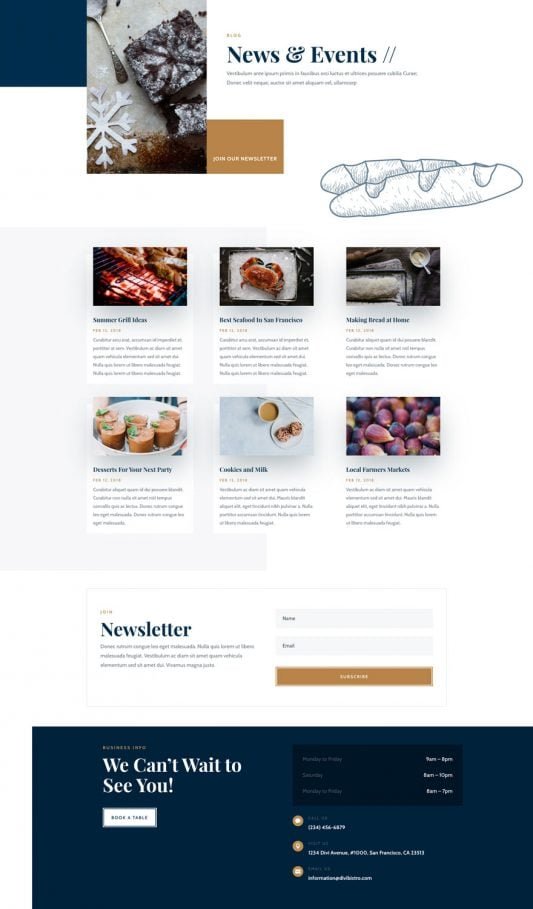
How Should a Small Australian Bistro Allocate Its Digital Marketing Budget?
Our SEO chefs will spice up your Google ranking, claiming top table for searches like “romantic bistro Melbourne” or “casual dinner Perth.” Skip the side-dish obscurity and draw in organic crowds from Canberra’s cultured connoisseurs or the Gold Coast’s sunset suppers!
We’ll season your social media with savory stories on Instagram and Facebook: sizzling kitchen clips, wine-pairing whispers, and guest gratitude posts that tantalize timelines. It’s your recipe for becoming the local legend in scenes from Hobart’s waterfront wonders to Darwin’s dusk delights.
Hungry for hurried reservations? Our Google Ads and Facebook Ads are flavor-focused, luring Aussie food lovers with clever, calorie-conscious campaigns that pack the house and pare down the empty chairs—suited to sizzling bistro belts in Sydney and Melbourne.
We’re your tasty table-turners for triumph, all about results that let you master the menu. Craving a casual confab over virtual vino? Drop by our website—let’s cook up a feast of success for your bistro together!